Pillar 2: Civic Engagement - Publications (GOLD)
 |
 |
Overview
Civic Engagement (Publications) – Gold
Detailed pathway requirements
Read the detailed requirements below, then select the pathway you intend to follow.
Examples and ideas
The examples below are intended to help you imagine how either pathway might be achieved. They are not additional requirements, and you do not have to copy an existing Climate Academy project.
Leverage Pathway — examples
This pathway is about using your own initiative, leadership and systems understanding to help other people create and communicate climate-related publications.
You might organise a project inside your school, working with teachers who can make lesson time available for a Climate Academy activity.
You might run an existing Climate Academy project in your subject area or coordinate a cross-subject project with colleagues.
You might work with a local school near your university, or return to a former school and help a group undertake a publications project.
Your project could involve a community group, workplace, club, friends or family — wherever you can mobilise others to participate meaningfully.
Possible publication projects
Climate Academy is developing a growing collection of ready-to-use projects. Each can include guidance, supporting material and videos. The examples below show the kind of activity that can provide a starting point for your own Leverage Pathway work.
Project #1 — “The Writings on the Wall”
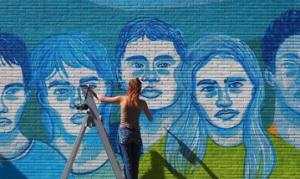
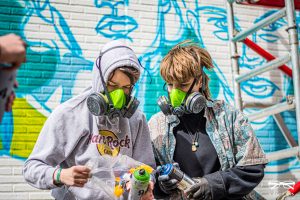
This project brings science and art together. Students design and paint a climate-change mural while learning about tipping points and the injustices embedded in the crisis. The finished mural can then become a backdrop for articles, podcasts or videos.
 |
 |
Project #2 — “Movies for Change”
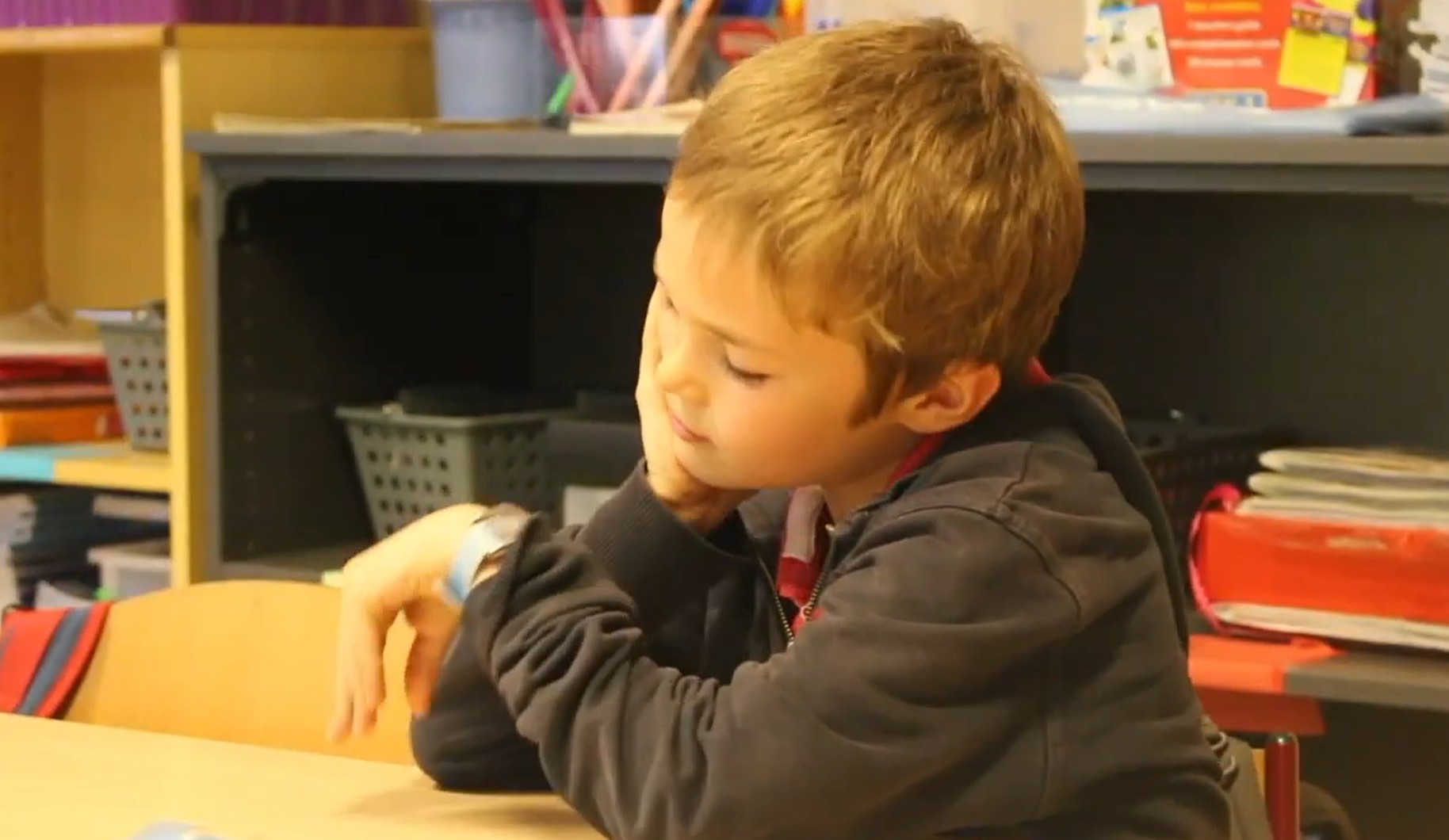
Students select a chapter of the Climate Academy Student Book, identify a key issue, then work in pairs to design, film and edit a video. In this example by Carolina, Jules and Franziska from Brussels, the focus is intergenerational climate justice.
Thibault Watch
Project #3 — “Facing the Truth”
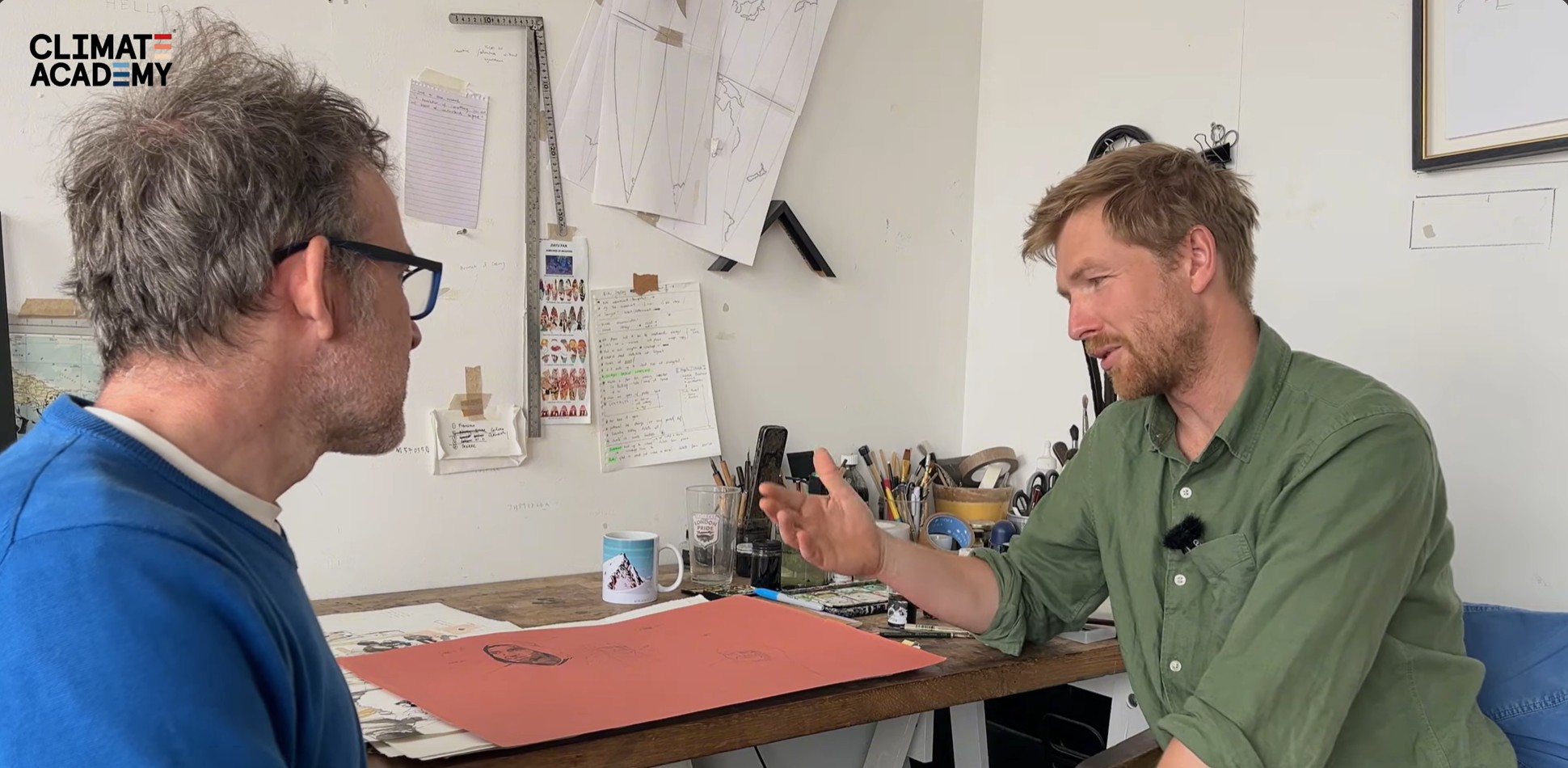
After establishing the environmental tipping points that frame the climate crisis, a short case study of Syria shows how environmental stress is already pushing some societies towards conflict. The work of journalist and artist George Butler is used to explore dialogue and resonance; students then talk in pairs and draw a portrait of each other.
Create your own project
You can also design your own project, rooted in the systems-level understanding developed in Pillar 1. A successful project may eventually be suitable for the Climate Academy project gallery so that others can benefit from your experience.
Whichever project you choose, keep the planetary boundaries and systems-level sustainability frame central to the learning and action.
Impact Pathway — example
This pathway focuses on the exceptional relevance, quality and independently evidenced impact or recognition of your own publication.
Example of a previously recognised project
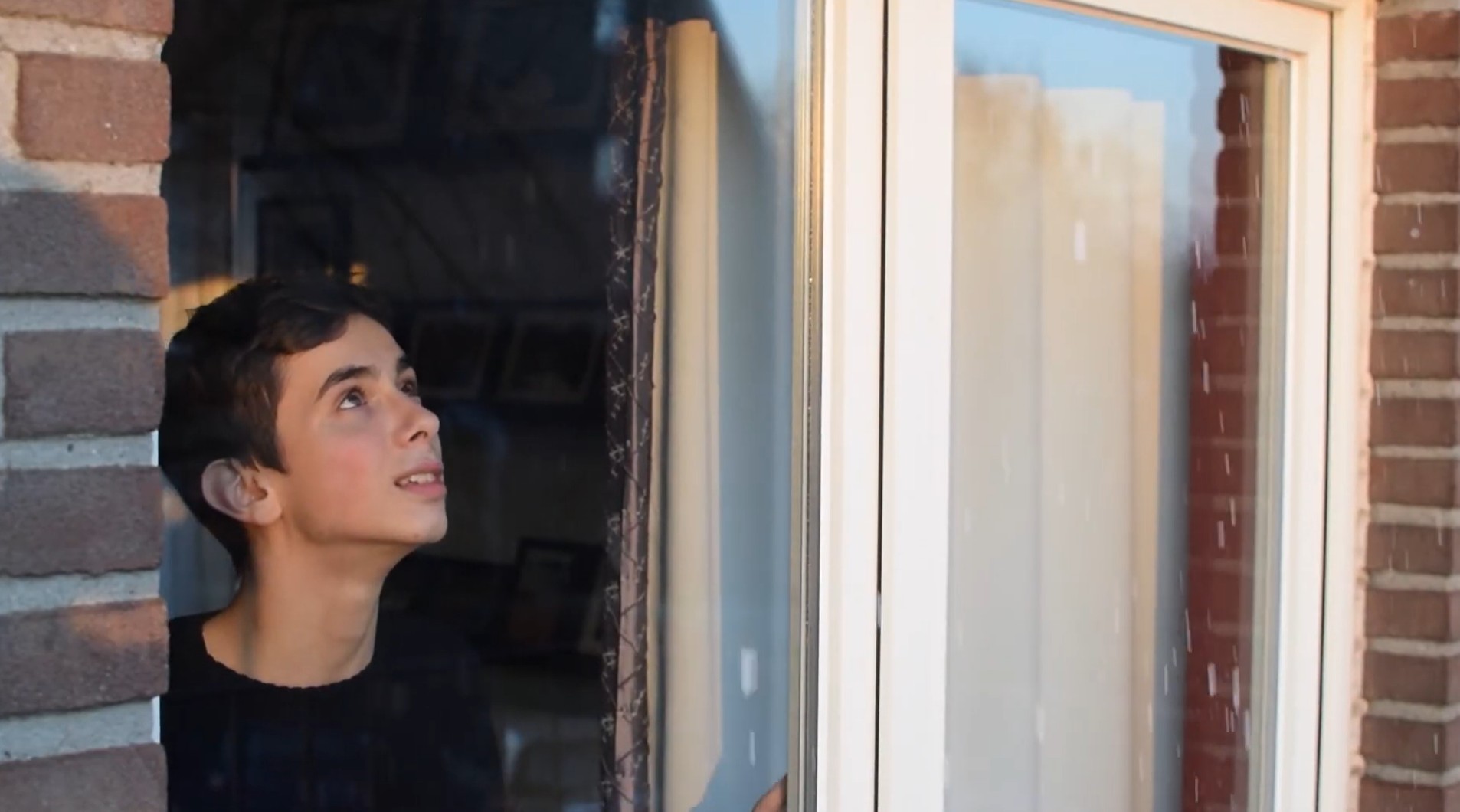
Climate Academy students delivered the “Movies for Change” project to English-language classes, teaching carbon budgets, tipping points and issues associated with crossing planetary boundaries. In one class, three Italian students — Mario Massimetti, Pietro Gavinelli and Agnese Battista — created the video below. It was later submitted to an Italian Film Festival jury and won second prize in the short-film competition.
“S(no)w” video
Chapter by Chapter Support
Whether you are mobilising others to create systems-informed publications or developing the narrative of your own publication, a strong theme and a clear connection to the Climate Academy systems framework are important. These prompts, discussion topics and key questions can help.
Chapter by Chapter SupportYour next step
Once you have selected the pathway you intend to follow, continue to the Evidence Requirements page. That next page explains how to demonstrate that you have met the requirement selected here.