Pillar 1: Systems Understanding (BRONZE)
Pillar 1: Systems Understanding (BRONZE)
Systems Understanding Knowledge Base
Course introduction and orientation
The Climate Academy course takes you on a 360° guided tour of the sustainability crisis. It starts by exploring our scientific understanding of the environmental systems and then moves on to an examination of the human systems in play, from the psychological and social, to the economic and political.
The tour includes the latest science, hundreds of sharp metaphors and cultural examples. It is a tour that is not shy of complexity. It is not timid about asking fundamental questions about growth, capitalism and global justice.
This is no “blah blah” tour. This is tight, revealing and engaging.
Introductory Videos

Introductory Text
The Course
The Student Book is available here to download or you can read each chapter text by clicking that named button in the button matrix below.
How to win the Pillar 1: Systems Understanding Bronze Award
You can start at Chapter 1 and work your way through, or jump in where your special interest is and progress from there.
For each chapter there is a button in the matrix below which:
- displays the text of the chapter
- opens a video specifically on the subject of that chapter
- opens an Explore section to delve even deeper into the chapter subject matter
- opens a multiple choice quiz of 10 questions to test your understanding of the chapter
The Quiz
To win your Climate Academy certificate, you must successfully answer the quiz on the chapters that are specifically identified with the Bronze avatar for the award plus 3 other chapters of your choosing.
For each of those chapters, mandatory and self-chosen, you must answer 8 out of 10 questions correctly. Retries are permitted.
Clearly, there is nothing stopping you reading all the material provided, and answering all the quizzes, but the above is the minimum standard for the award.
Once you have the Bronze award, you will be able to progress to win your Silver and Gold Systems Understanding awards, with the eventual aim of winning the prestigious Platinum Systems Entrepreneur award!
Knowledge Base and Quiz Progress (16 Chapters)
Course overview
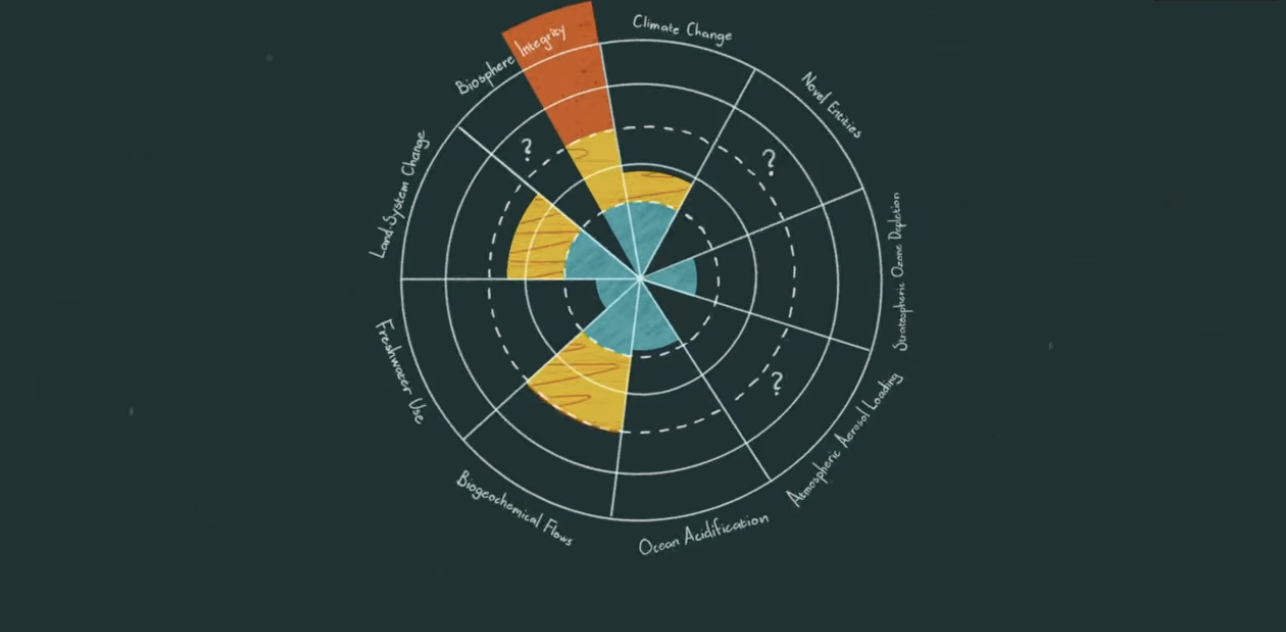
This Systems Understanding course introduces the scientific foundations of the climate crisis, the historical and ethical questions that surround it, and the systemic responses required. It begins with global warming, mass extinction, and the finite limits of Spaceship Earth, then expands into responsibility, justice, the CUTx Index, tipping points, paradigm shifts, psychology, innovation, climate anxiety, and the wider mission of The Climate Academy.
By the end of the course, the aim is not only that you understand the crisis more fully, but that you are ready to connect that understanding to action in the wider programme.
Why it matters
Many adults and students want a deeper understanding of the climate crisis, but they are short on time, unsure where to look, unsure who to trust, and often uncertain what real difference their understanding could make.
This course responds to three core challenges: the science can feel specialised and complex; environmental science quickly opens deeper questions about humans, society and justice; and once you do gain a 360° systems view of the problem, you need meaningful next steps.
This course answers all three by translating the science clearly, holding together both the natural and human dimensions of the crisis, and pointing forward to activities in Pillar Two where understanding can be put to work.
Why it is powerful
The course is rooted in figures and frameworks supported for communication by highly respected climate scientists. The CUTx Index and the scientific vocabulary behind the course are presented as an authoritative basis for understanding.
It tackles climate illiteracy by focusing on threshold concepts: moments of understanding that change how all the other details are seen, and once grasped, cannot easily be unseen.
This is also the first part of a wider programme. It can be taken by students, schools and individuals, and then used as a springboard for wider Civic Engagement activities.
In the spirit of the “3.5% rule”, the course is designed not only to inform, but to help small groups of thoughtful, committed people become more effective at communicating what truly matters.
How it works
The 16 chapters of the Student Book provide an authoritative 360° view of the crisis. They begin with the science that defines the proximity and danger of planetary boundaries, and then move into the psychological, social, political and economic systems that shape our response.
First, read the relevant chapter in The Student Book.
Next, use the extra Moodle materials — videos, facts, links and other supporting resources.
Then, complete the chapter quiz to check and consolidate your understanding. The pass mark is 80%.
Once all chapter quizzes are passed, you can claim your Bronze certificate.
The certificate fee structure is informed by principles of social justice, with different rates for the Global North and Global South, and a distinction between private and public schools.
Certificate & badge
This course is the first step into a programme of systems-level thinking and action about the climate crisis.
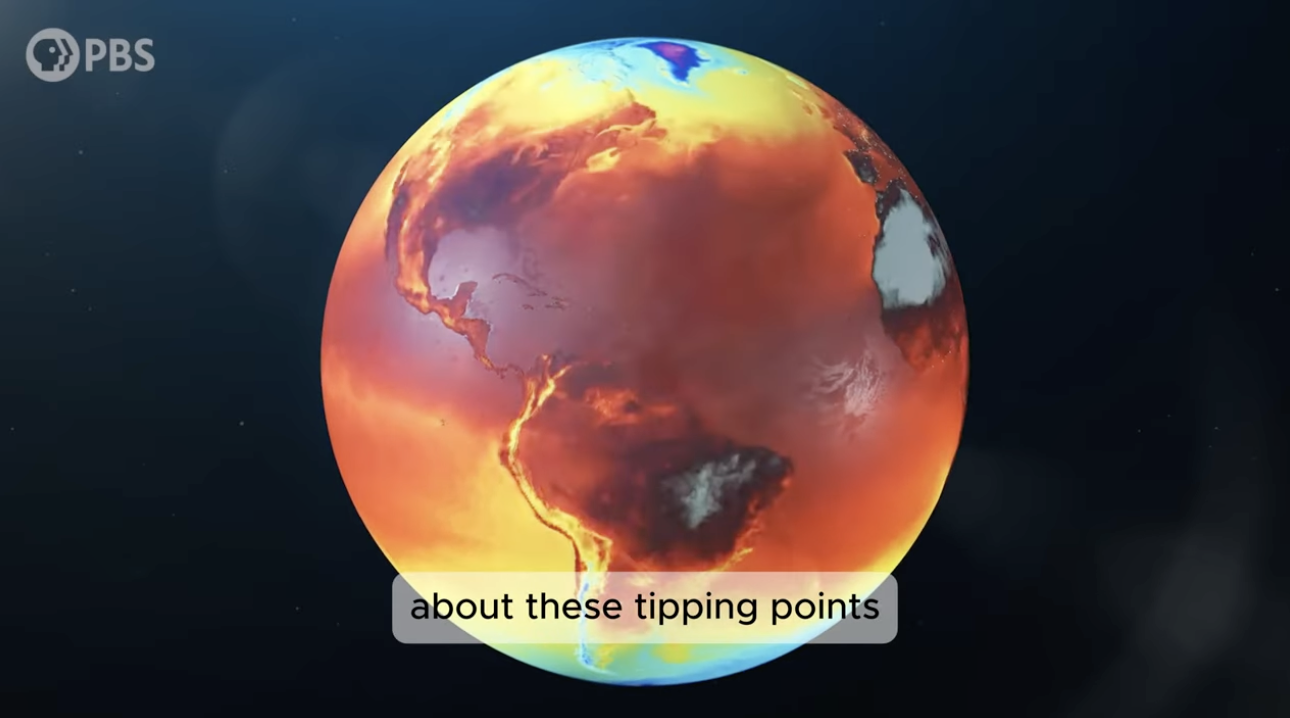
The Bronze certificate signals that you have developed a stronger capacity to think systemically and a deeper climate literacy; an understanding of key features of the climate crisis, including planetary boundaries and tipping points; an informed awareness of climate justice questions; the ability to navigate between abstract principles and concrete details; and an understanding of the CUTx Index as a standard and comparable measure of climate progress and justice.
After successful completion, you can download your Bronze Certificate as a PDF and receive a digital Open Badge that complies with the 1EdTech Open Badges standard. This Open Badge can then be shared with employers, educational institutions and on professional networking platforms to show commitment to continuous learning and meaningful action.
They also offer a useful opportunity to share a key systems-level insight publicly and encourage others to become better informed.
Quiz guidance
You can do the chapter quizzes in any order.
Each chapter has 10 questions.
Question types are Multiple-Choice and Missing-Word.
You need 80% to pass.
You can clear a choice before checking it.
Once an answer has been checked, it cannot be changed.
After all questions are checked, submit the quiz.
If you do not reach 80%, you can retake the quiz as many times as needed.
Fresh questions are generated from the question bank on each new attempt. Attempts and timings are logged for administrative analysis and quiz improvement, not for scoring penalties.
WTH?
There is a big hole in our education systems around the world.
Yes, climate change appears in most syllabuses, it is often talked about in classrooms and school halls, there are thousands of climate projects and initiatives.
But. Is all of this content framed by the right boundaries? Is all of this content held together with a proper systems perspective?
This might sound like some wacky, abstract question. But once you have seen things from this systems perspective, it changes everything. Suddenly there is depth, perspective and real traction. Suddenly all the details start to make sense in a new and fresh way.
Once you have seen this big hole, you will never be able to unsee it.
A systems understanding of the crisis is not a detail. It is the fundamental framing that is needed for everything else to make sense.
The Upper Room
What does it mean to “get it”? What is it that flips an understanding of climate change, from knowing some details to having an energized, engaged understanding?
Why do some people not “get it”? What is the block? How can two people look at the same facts and have such different responses?
This video explores these curious things through a piece of art.
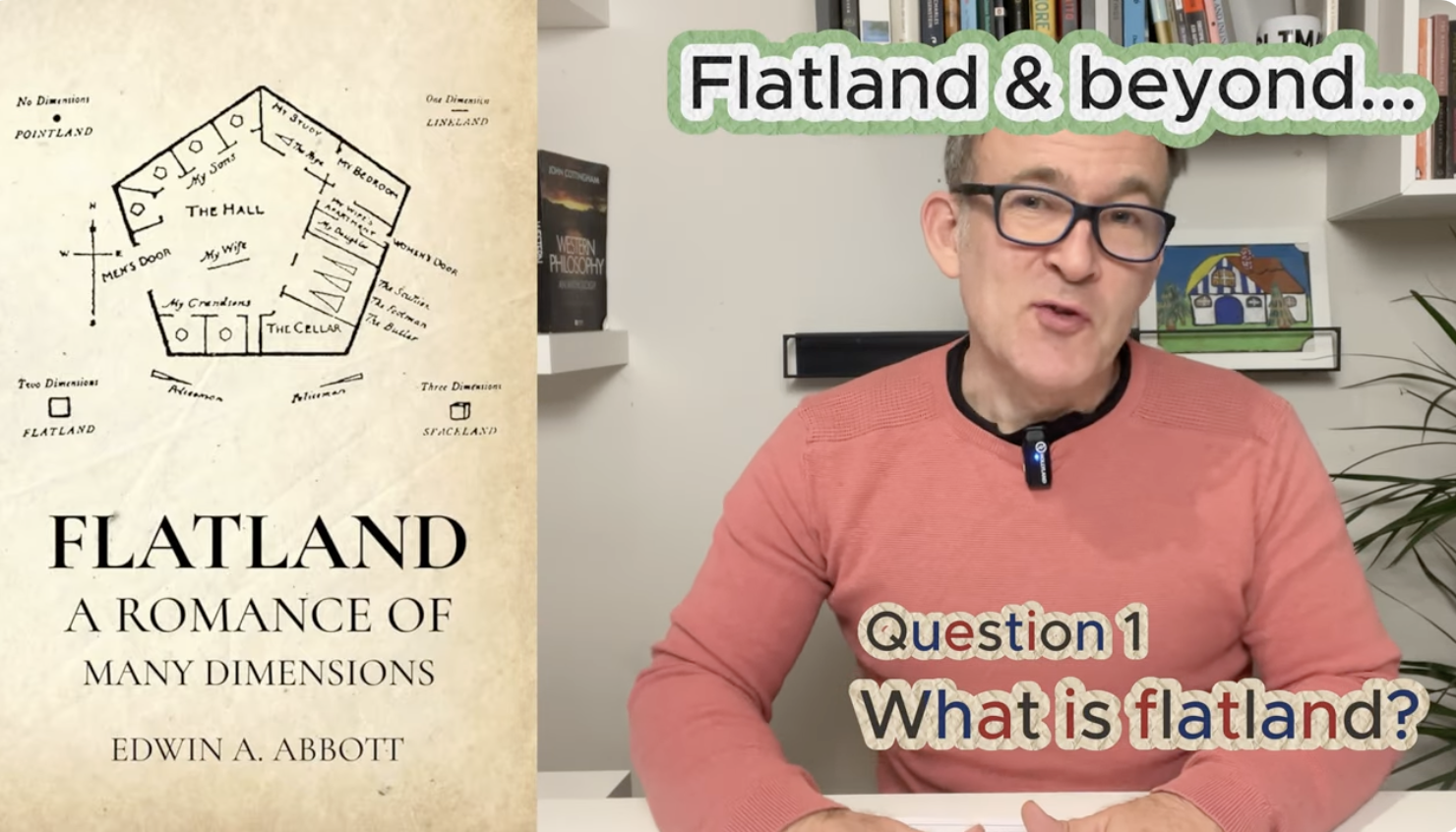
Finding the Exit from Flatland
Imagine a square. A 2D object. It is only lines on a flat surface.
Imagine this square is character & it is visited by a sphere. A 3D object.
How could a square possibly understand what it is looking at? What could the sphere say to explain itself? How does an object from Spaceland show to an object from Flatland what depth is?
So much of our climate education is flat. The dominant narrative in schools is about the individual carbon footprint, individual actions or guilt. We teach the same basic science many times, and never advance our students to a place of complexity and depth.
This is boring and disempowering.
The Climate Academy programme takes students from Flatland to Spaceland. This course advances their understanding and actions to a systems level. This 3-D, interconnected exploration of the issues is both engaging and empowering.
Find out more in this final introductory video.
Exploring Chapter 1 – The Absolute Basics
Choose one area to explore in more depth. Each path keeps you inside the same modal so you can step back cleanly or return to the course matrix at any point.
Videos
Further supplementary videos

Neil deGrasse Tyson - The Most Astounding Facts
Neil deGrasse Tyson shares a mind-blowing cosmic fact. The video explores the incredible journey of atoms from stars to life on Earth, showcasing our connection to the wider universe.
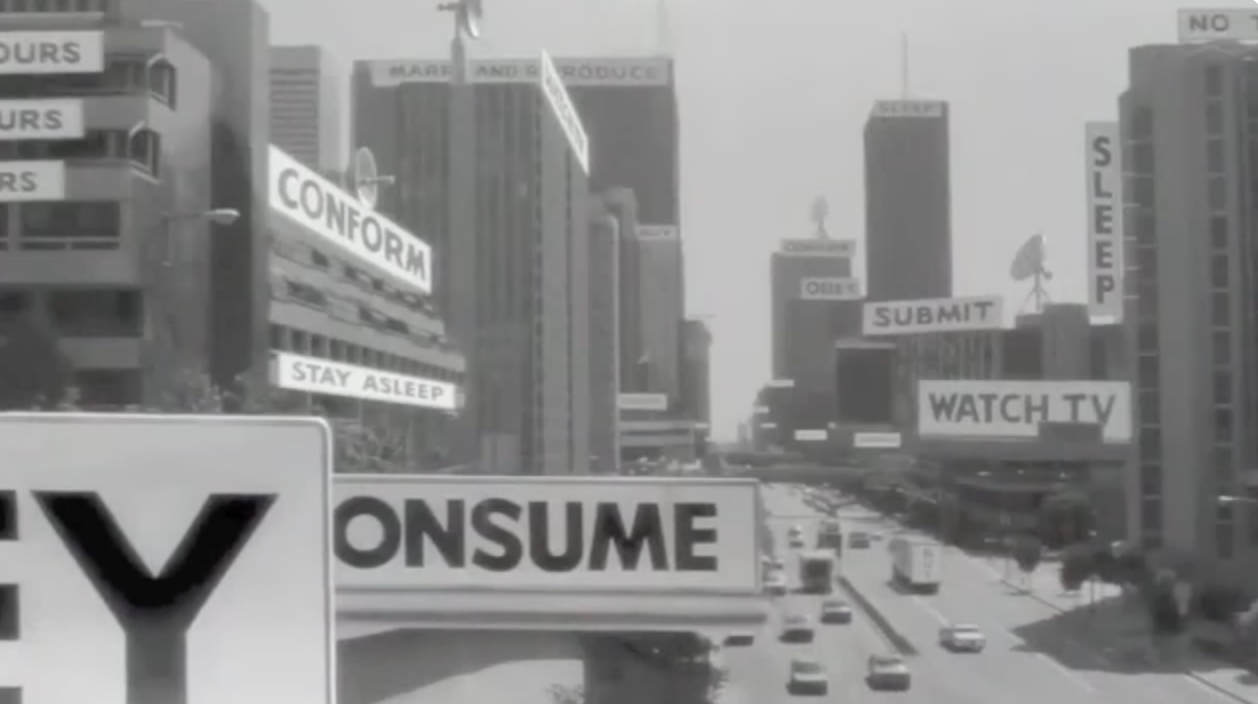
There is Something Wrong in the World
A short, sharp prompt that asks the viewer to notice that something is profoundly wrong in the world and that there is still a chance to make a difference.
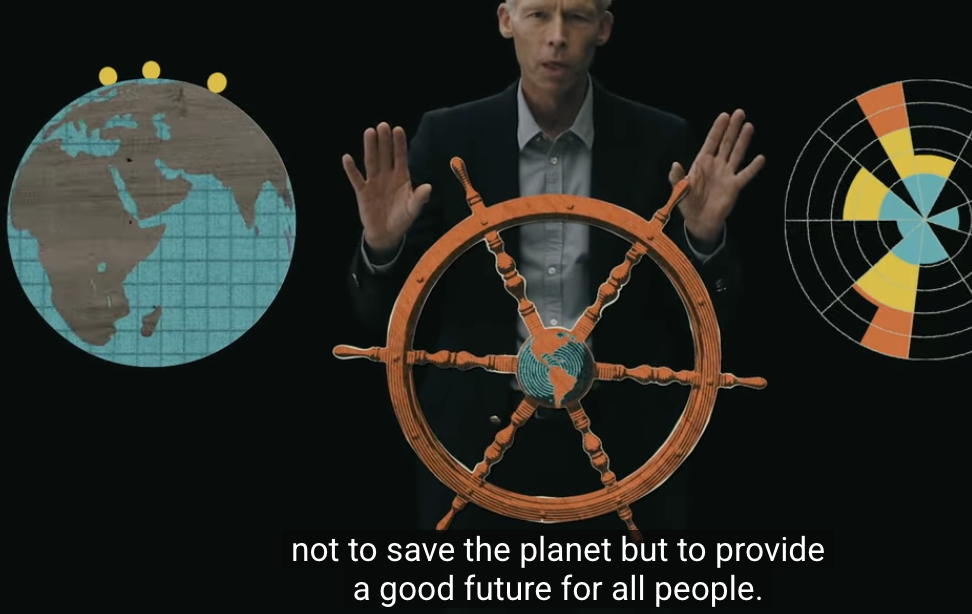
10 years to transform the future of humanity -- or destabilize the planet | Johan Rockström
Johan Rockström explains the real risk of destabilising the planet and why the next decade matters for keeping Earth in a safe operating space for humanity.
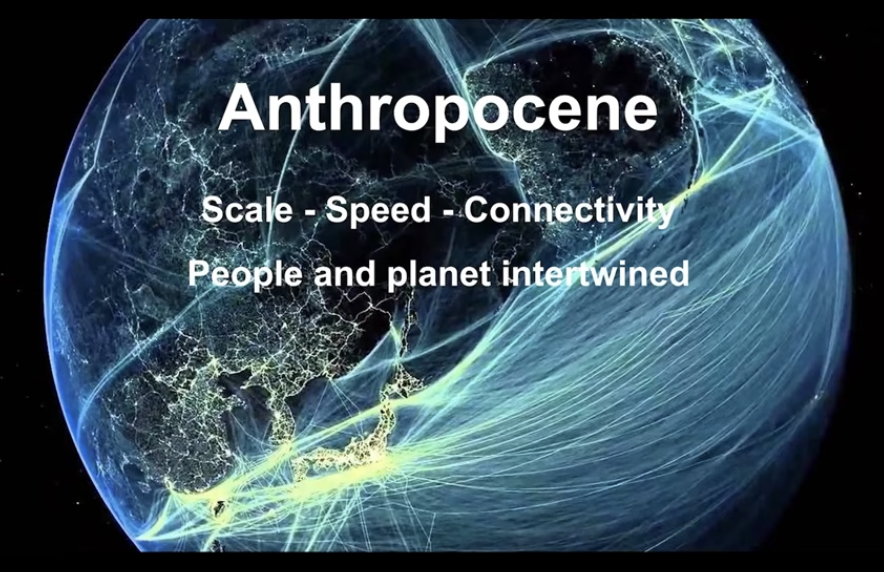
Planetary Boundaries
Professor Johan Rockström gives a scientific update on the Planetary Boundaries framework and highlights the thresholds that help define a safe operating space for humanity.
Books
“This Changes Everything” - Naomi Klein (2015)
This Changes Everything, a must-read on how the climate crisis needs to spur transformational political change. Forget everything you think you know about global warming. It's not about carbon - it's about capitalism. The good news is that we can seize this existential crisis to transform our failed economic system and build something radically better. Klein exposes some key myths that are clouding the climate debate.
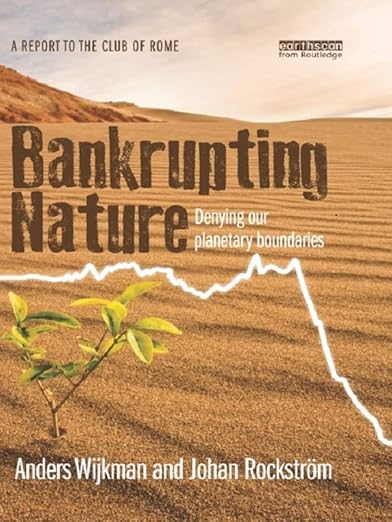
Bankrupting Nature” – Club of Rome (2012)
The crisis will be exacerbated by the combination of climate change, ecosystem decline and resource scarcity. The concept of Planetary Boundaries is introduced as a powerful explanation of the limits of the biosphere to sustain continued conventional growth. It is shown that an economy built on the continuous expansion of material consumption is not sustainable. The growth dilemma can only be addressed through a transformation of the economic system. GDP and the trickle-down concept are pulled in for serious questioning and rich countries are called upon to hold back their material growth to leave room for a rising living standard among the poor.
Websites
The Stockholm Resilience Centre
The Stockholm Resilience Centre was founded by Johan Rockström and Carl Folke in 2007. It is rooted in the insight that the biosphere, society and the economy should be studied as one system to address the complex challenges that humanity faces. Their website hosts a wealth of resources on their work, both historic and current.

NASA : On Milutin Milankovitch
If you are curious about the work of Milankovitch - the remarkable geophysicist, climatologist, mathematician and astronomer. This website gives a good overview, including a summary of the Milankovitch cycles for which he is most famous.
Exploring Chapter 2 – Mass Extinction Events
Choose one area to explore in more depth. Each path keeps you inside the same modal so you can step back cleanly or return to the course matrix at any point.
Videos
Further supplementary videos
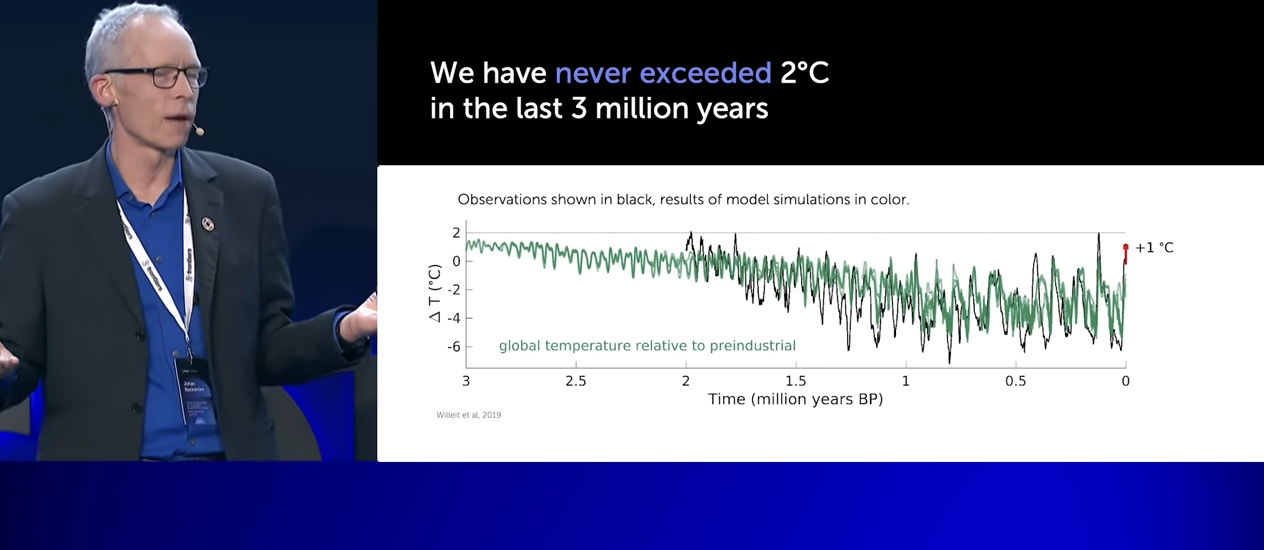
Johan Rockström : Planetary Boundaries : scientific advances
A supporting video resource linked to Chapter 2: Mass Extinction Events.
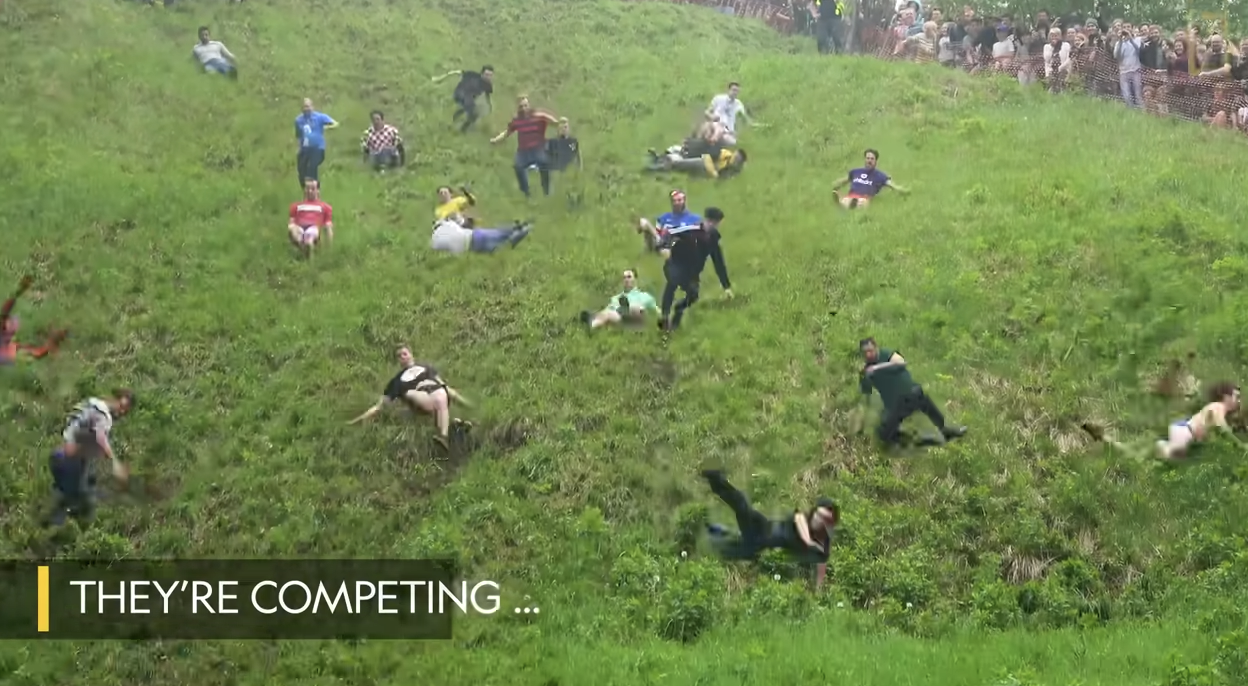
Chasing Cheese down a hill (UK) – a metaphor for chasing GDP at any cost
A supporting video resource linked to Chapter 2: Mass Extinction Events.

The Lonely Island – “Great Day” a song as a metaphor for how economic reporting (GDP) can become disconnected from reality.
A supporting video resource linked to Chapter 2: Mass Extinction Events.
Breaking Boundaries
David Attenborough and scientist Johan Rockström examine Earth's biodiversity collapse and how this crisis can still be averted.

Seaspiracy Officail Trailer)
A supporting video resource linked to Chapter 2: Mass Extinction Events.
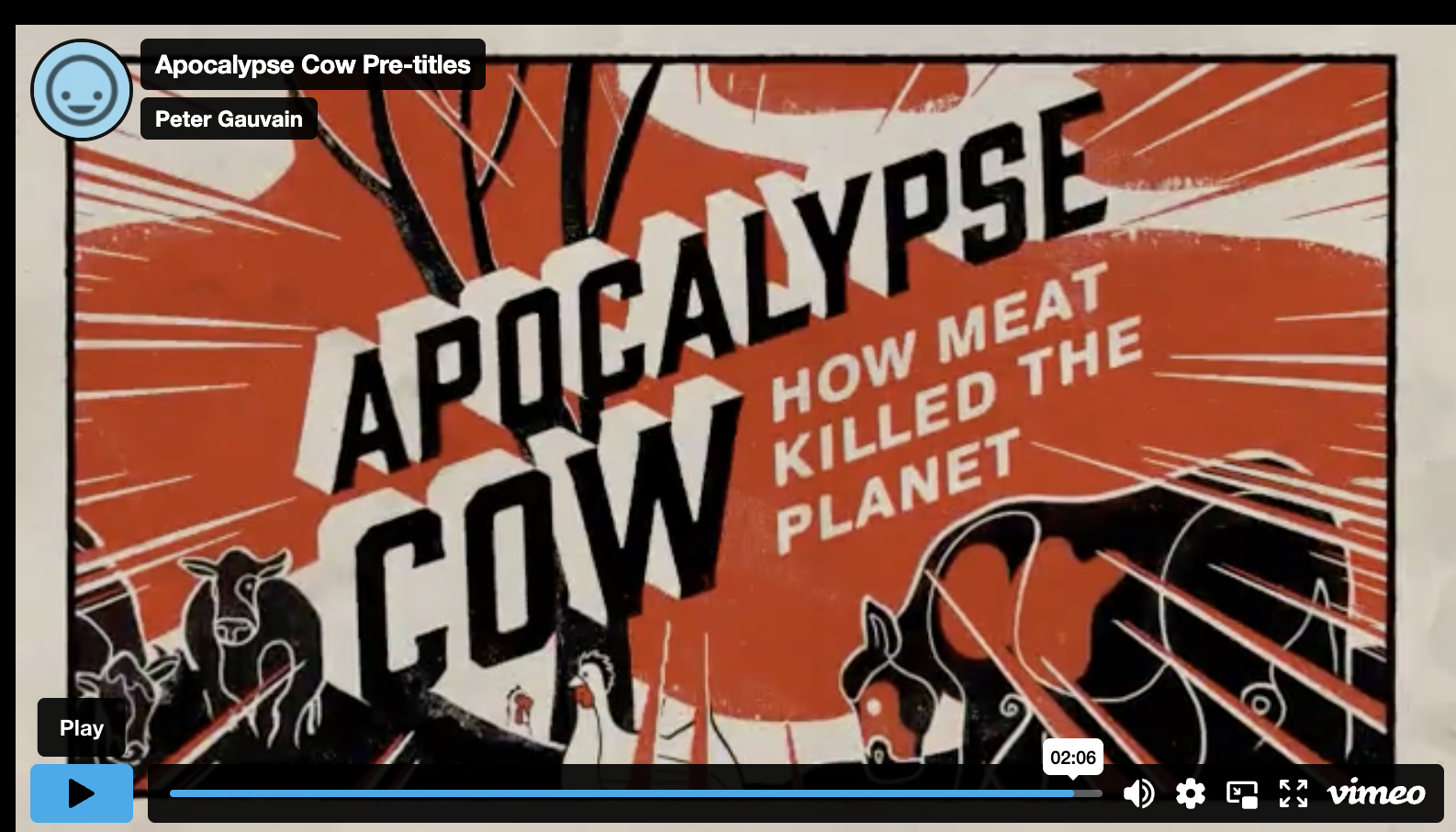
Apocalypse Cow
A supporting video resource linked to Chapter 2: Mass Extinction Events.
The Smithsonian Institute : Solving the Dinosaur Mystery.
A supporting video resource linked to Chapter 2: Mass Extinction Events.
Books
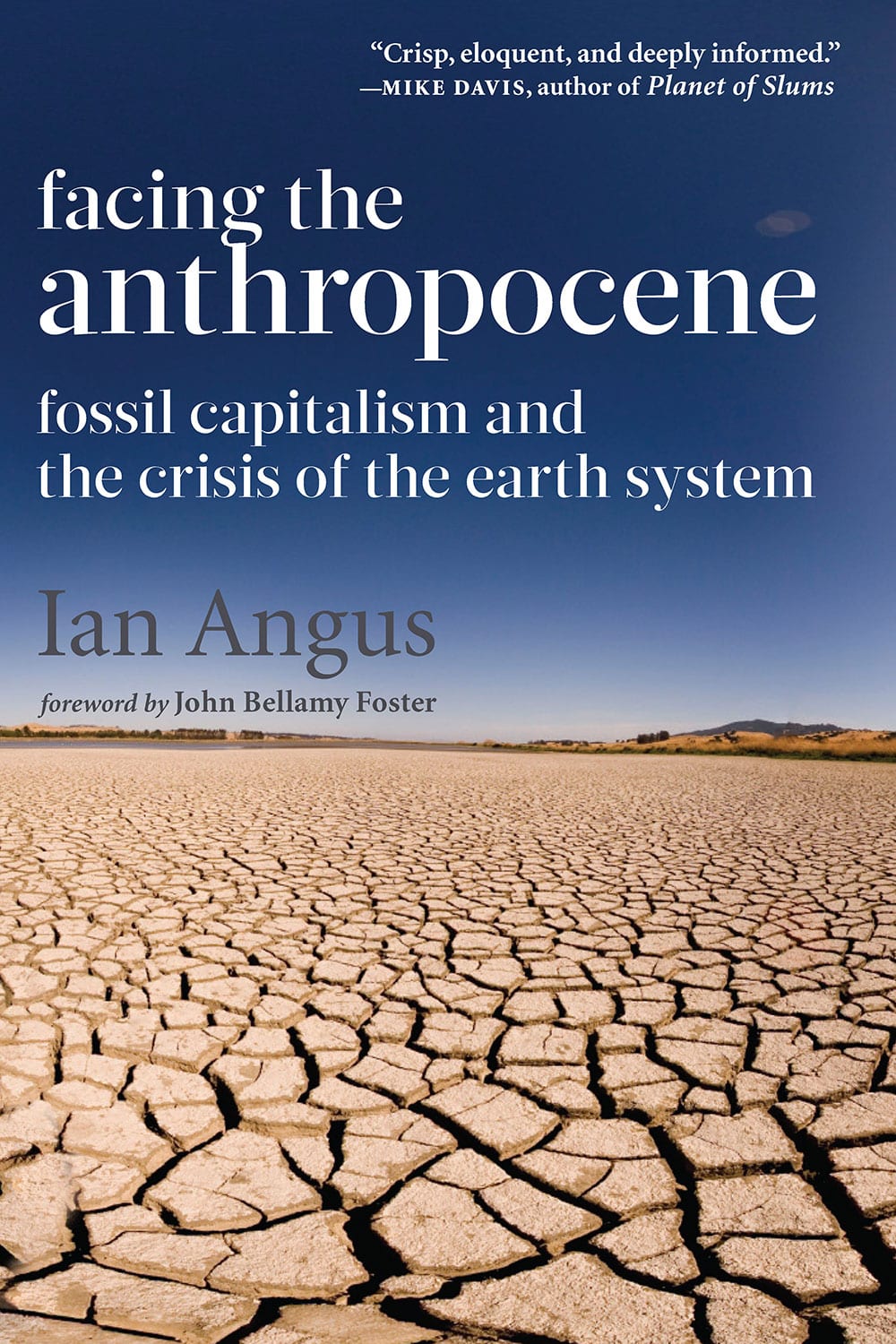
Facing the Anthropocene – Ian Angus (2016)
Science tells us that a new and dangerous stage in planetary evolution has begun—the Anthropocene, a time of rising temperatures, extreme weather, rising oceans, and mass species extinctions. Humanity faces not just more pollution or warmer weather, but a crisis of the Earth System. If business as usual continues, this century will be marked by rapid deterioration of our physical, social, and economic environment. Large parts of Earth will become uninhabitable, and civilization itself will be threatened. Facing the Anthropocene shows what has caused this planetary emergency, and what we must do to meet the challenge.
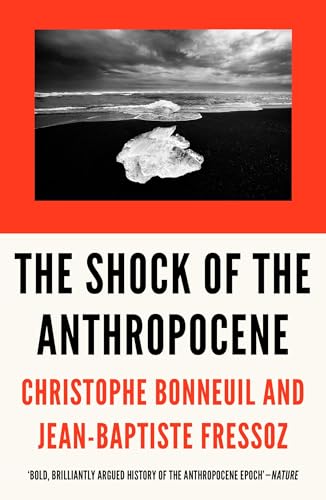
The Shock of the Anthropocene, by Christophe Bonneuil and Jean-Baptiste Fressoz (2017)
A book resource that extends the ideas explored in Chapter 2: Mass Extinction Events.
The Shock of the Anthropocene - Christophe Bonneuil and Jean-Baptiste Fressoz (2017)
The Earth has entered a new epoch: the Anthropocene. What we are facing is not only an environmental crisis, but a geological revolution of human origin. In two centuries, our planet has tipped into a state unknown for millions of years. How did we get to this point? Refuting the convenient view of a “human species” that upset the Earth system, unaware of what it was doing, this book proposes the first critical history of the Anthropocene, shaking up many accepted ideas: about our supposedly recent “environmental awareness,” about previous challenges to industrialism, about the manufacture of ignorance and consumerism, about so-called energy transitions, as well as about the role of the military in environmental destruction. In a dialogue between science and history. Going into deeper technical depth than Ian Angus’s book, The Shock of the Anthropocene explores paths for living and acting politically in this rapidly developing geological epoch.
Websites
The Natural History Museum (London) – Past Extinctions
A clear, summary level introduction to past extinction events.
The Natural History Museum (London) – Anthoropocene Extinctions
A web resource offering further context and reference material for Chapter 2: Mass Extinction Events.
Exploring Chapter 3 – Spaceship Earth
Choose one area to explore in more depth. Each path keeps you inside the same modal so you can step back cleanly or return to the course matrix at any point.
Videos
CLIMATE ACADEMY supplementary videos
The RedBull Stadium Series (Leipzig)
(1) An Introduction
The Earth seems so big. At 12,742 km wide, it is certainly huge for little humans. However, the Earth does have certain limits, and thinking of it like a spaceship can throw up some surprising truths.
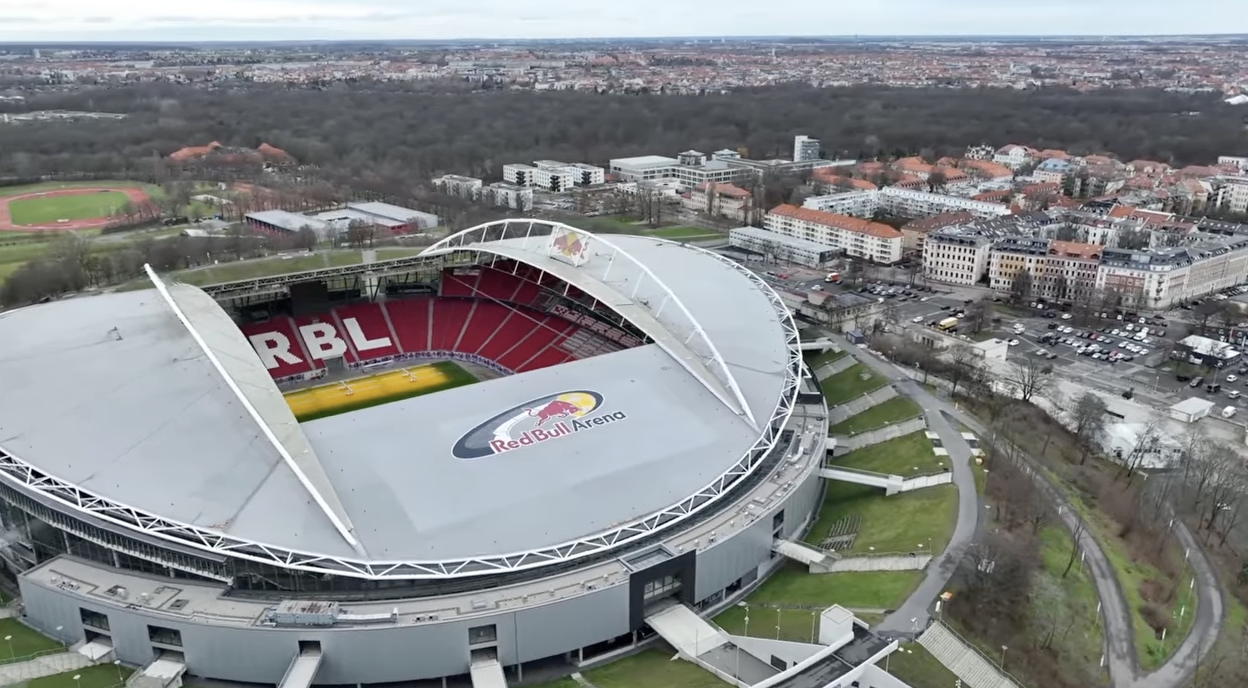
(2) On Laws and Limits
If there are limits to planet Earth’s carrying capacity, then it is only normal that we should have some limits to our economic activity. This doesn’t mean that we will be grumpy and miserable, in fact, playing inside rules and limits is exactly what we do in sport, in music... in everything. It is possible to have fun in the fundamentals.
Brian Cox: BBC, Wonders of the Universe: “Stardust”
Professor Brian Cox explains how the ingredients of life are created in the heart of a dying star.
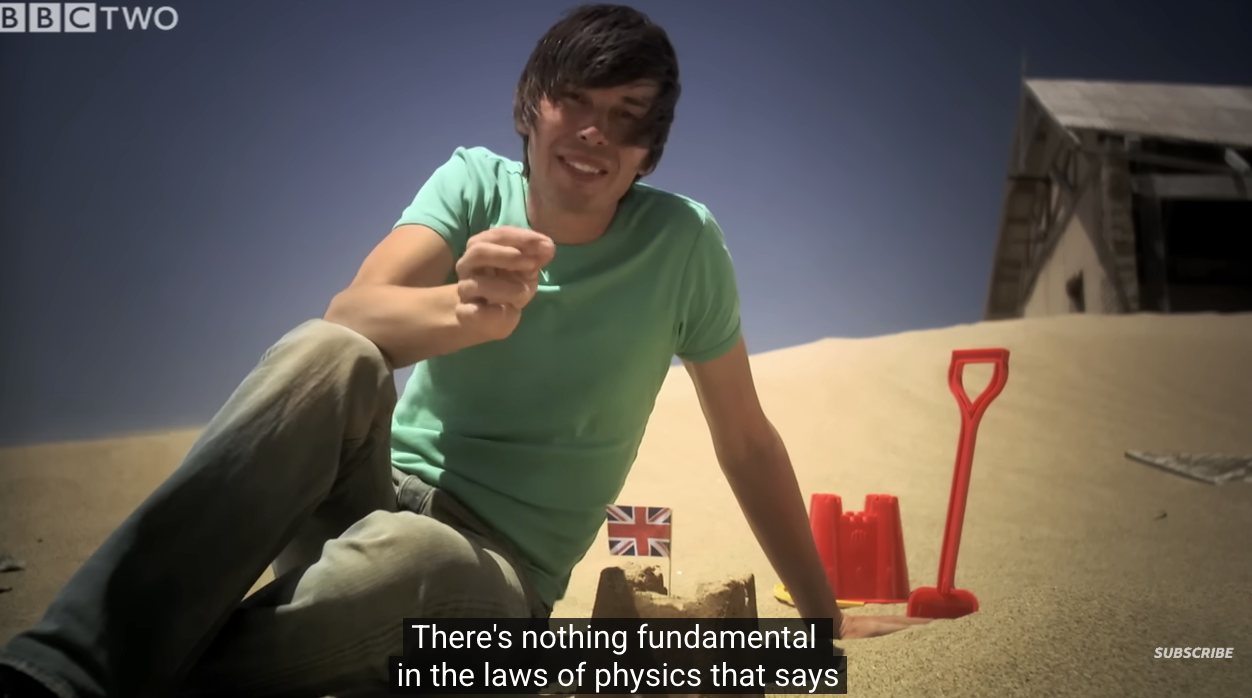
Brian Cox: “Entropy”
Professor Brian Cox builds sandcastles in the Namib Desert to explain why time travels in one direction. It is a result of a phenomenon called entropy; a law of physics that tells us any system tends towards disorder.
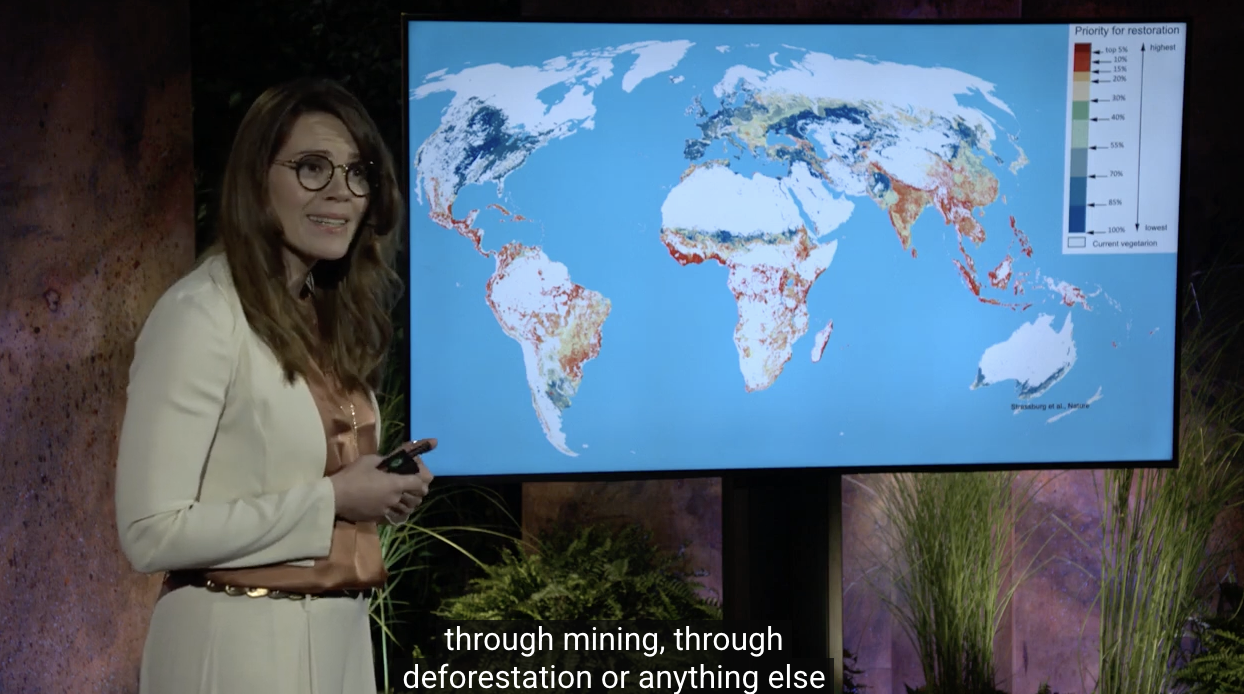
Olivia Lazard: TED Talk : The Blind Spots of the Green Energy Transition
The world needs clean power, but decarbonization calls for a massive increase in the mining and extraction of minerals like lithium, graphite and cobalt. Environmental peacemaking expert Olivia Lazard sheds light on the scramble for these precious mineral resources -- and how the countries that control their supply chains (including China and Russia) could find themselves at the center of the new global stage. Learn why Lazard thinks planetary security depends on our ability to de-escalate resource competition and avoid the same mistakes that led to the climate crisis.
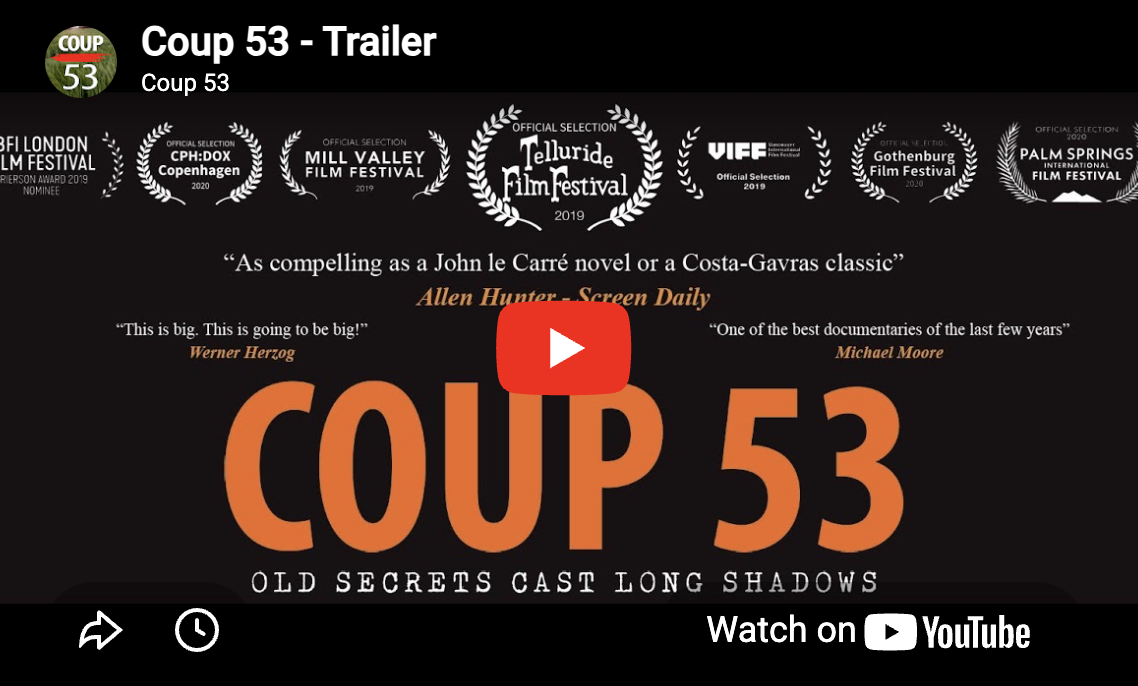
Coup 53: An award winning documentary on the Iran Coup of 1953.
The roots of Iran's volatile relationship with America and Britain has never been so forensically and dramatically exposed.
Books
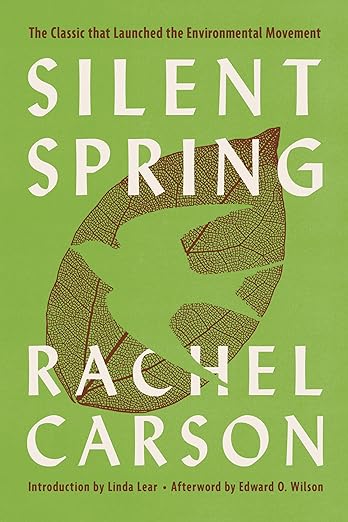
Silent Spring -Rachel Carson (1962)
Rachel Carson is a pivotal figure of the twentieth century…people who thought one way before her essential 1962 book Silent Spring thought another way after it.”—Margaret Atwood. Rarely does a single book alter the course of history, but Rachel Carson’s Silent Spring did exactly that. The outcry that followed its publication in 1962 forced the banning of DDT and spurred revolutionary changes in the laws affecting our air, land, and water. Carson’s passionate concern for the future of our planet reverberated powerfully throughout the world. As Carson reminds us, "In nature, nothing exists alone.”

Small is Beautiful - Schumacher (1973)
First published in 1973, E. F. Schumacher’s Small Is Beautiful remains a foundational text of sustainable economics and environmental thought. Rejecting the idea that “bigger is better”, Schumacher argues for economies based on community, craftsmanship and ecological balance. Decades later, its message - that progress should serve people, not profits - is more urgent than ever. Combining wisdom, practicality and visionary foresight, Small Is Beautiful continues to inspire new generations of environmentalists, policymakers and ethical business leaders seeking to build a fairer world. ‘One of the 100 most influential books published since World War II’ Times Literary Supplement
Websites
The International Resource Panel (IRP)
The International Resource Panel (IRP) is a global science–policy platform that provides authoritative knowledge on natural resource use and its environmental, economic, and social implications. Natural resources underpin every aspect of human well-being and economic activity, but their unsustainable use is driving climate change, biodiversity loss, and pollution.
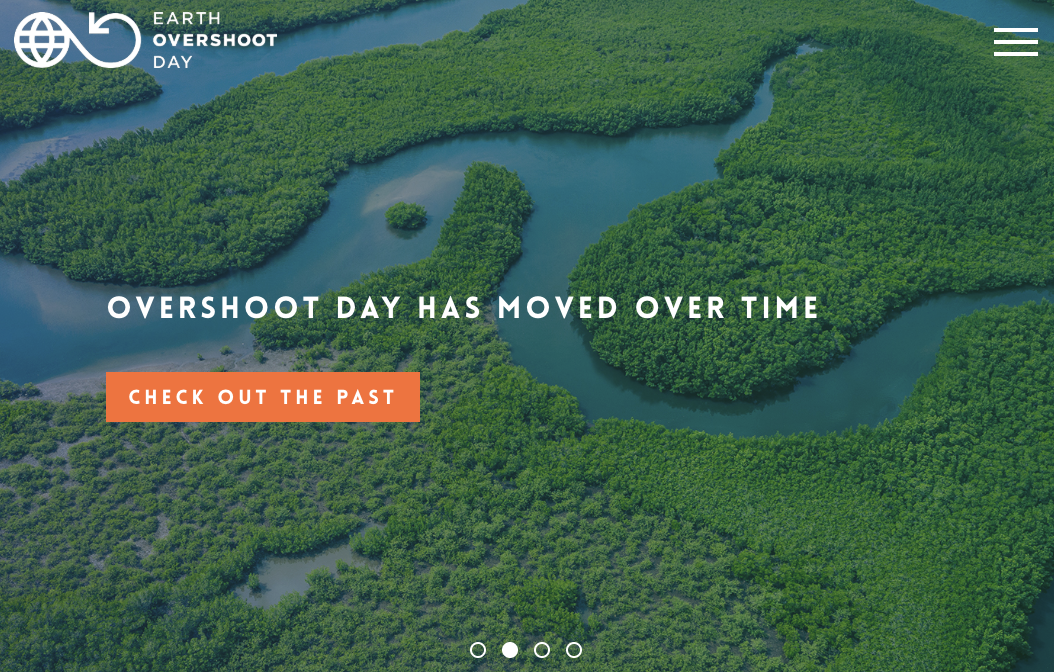
Earth Overshoot Day
Earth Overshoot Day marks the date when humanity’s demand for ecological resources and services in a given year exceeds what Earth can regenerate in that year. This ecological deficit spending is possible because we can liquidate stocks of ecological resources and accumulate waste, most prominently carbon dioxide in the atmosphere. As overspending can not last, overshoot will end. The question is only how: by design or disaster. This website offers a wonderful range of graphics and resources to illuminate these points.
The Natural History Museum (London) – Anthoropocene Extinctions
A clear, summary level introduction to our current extinction event.
Exploring Chapter 4 – Where are we now?
Choose one area to explore in more depth. Each path keeps you inside the same modal so you can step back cleanly or return to the course matrix at any point.
Videos
Further supplementary videos
The Royal Society : Climate Change in 60 seconds
A supporting video resource linked to Chapter 4: Where are we now?.
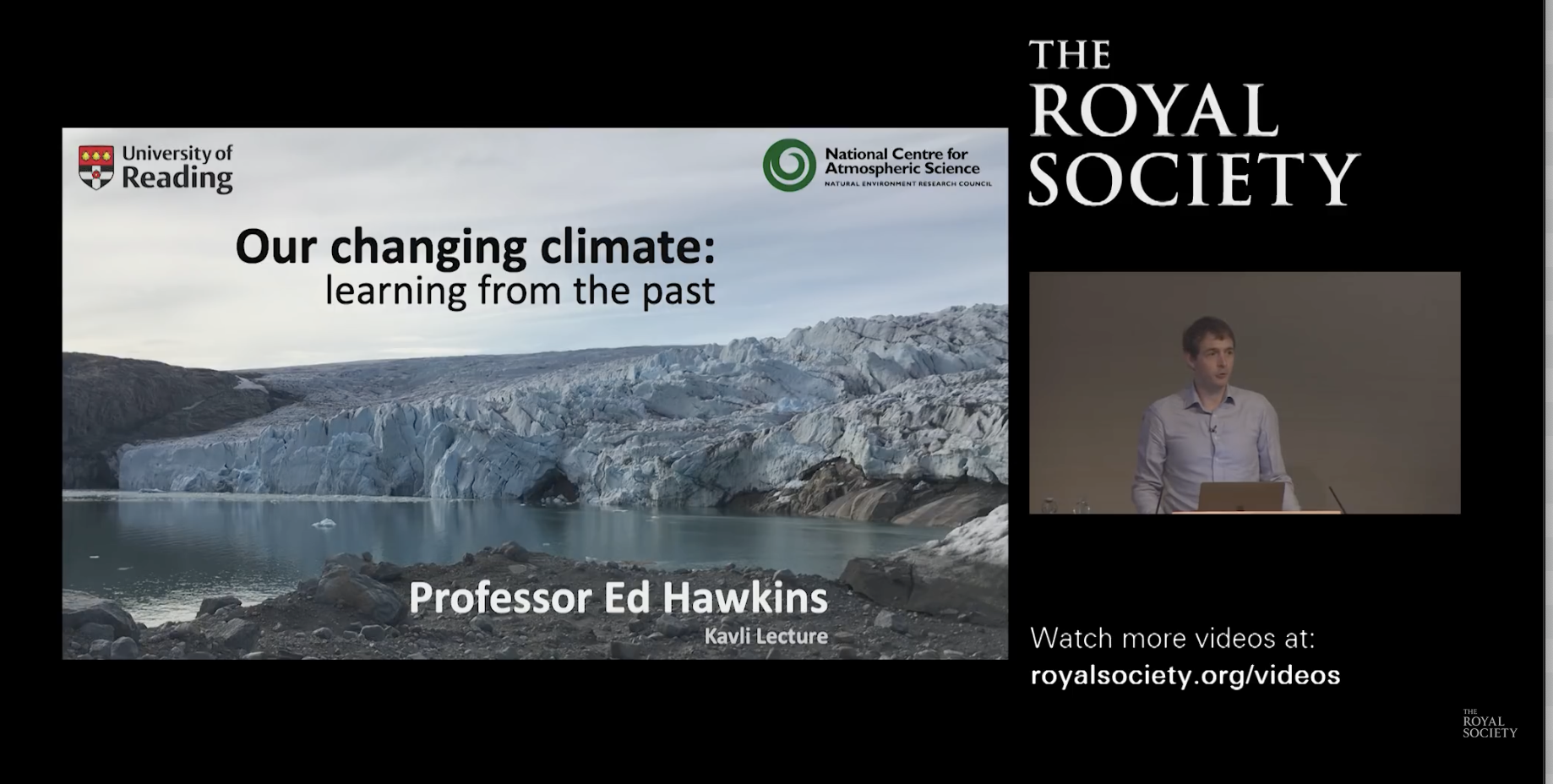
The Royal Society – Our Changing Cimate -Prof. Ed Hawkins
A supporting video resource linked to Chapter 4: Where are we now?.
Shostakovich 5th Symphony
A supporting video resource linked to Chapter 4: Where are we now?.
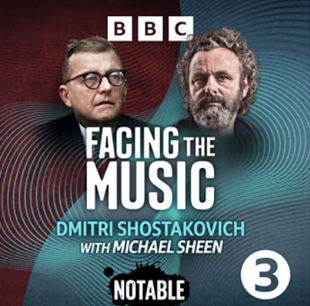
Shostakovich – BBC Podcast - Facing down the Terror
In 1930s USSR, composers and artists could face arrest - and death - at any moment. Michael Sheen narrates the story of how Shostakovich stared down the abyss - and survived.
Books
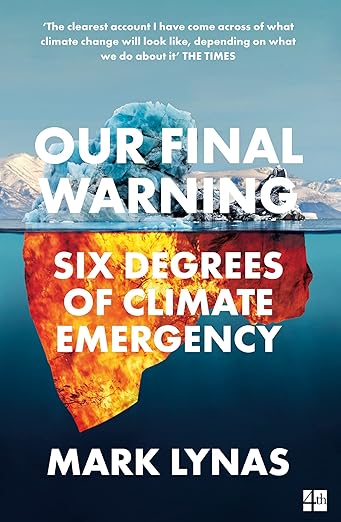
Our Final Warning: Six Degrees of Climate Emergency - Mark Lynas (2021)
This book must not be ignored. It really is our final warning. Mark Lynas delivers a vital account of the future of our earth, and our civilisation, if current rates of global warming persist. And it’s only looking worse. We are living in a climate emergency. But how much worse could it get? Will civilisation collapse? Are we already past the point of no return? What kind of future can our children expect? Rigorously cataloguing the very latest climate science, Mark Lynas explores the course we have set for Earth over the next century and beyond. Degree by terrifying degree, he charts the likely consequences of global heating and the ensuing climate catastrophe. At one degree – the world we are already living in – vast wildfires scorch California and Australia, while monster hurricanes devastate coastal cities. At two degrees the Arctic ice cap melts away, and coral reefs disappear from the tropics. At three, the world begins to run out of food, threatening millions with starvation. At four, large areas of the globe are too hot for human habitation, erasing entire nations and turning billions into climate refugees. At five, the planet is warmer than for 55 million years, while at six degrees a mass extinction of unparalleled proportions sweeps the planet, even raising the threat of the end of all life on Earth. These escalating consequences can still be avoided, but time is running out. We must largely stop burning fossil fuels within a decade if we are to save the coral reefs and the Arctic. If we fail, then we risk crossing tipping points that could push global climate chaos out of humanity’s control. This book must not be ignored. It really is our final warning.

“The Whisperers: Private Life in Stalin’s Russia” - Orlando Figes (2007)
Orlando Figes' The Whisperers is a groundbreaking account of daily life in the chaotic and paranoid atmosphere of Stalinist Russia. Exploring the inner life of a Russia where everyone was afraid to talk and society spoke in whispers, whether to protect friends and family - or to betray them - Orlando Figes tells the story of how Russians tried to endure life under Stalin's Terror. Where a junior worker might inform on their superior to get their job; a husband to get rid of a lover; a neighbour out of petty jealousy. Where living a double life became the norm and yet, somehow, a few defied the state.
Websites
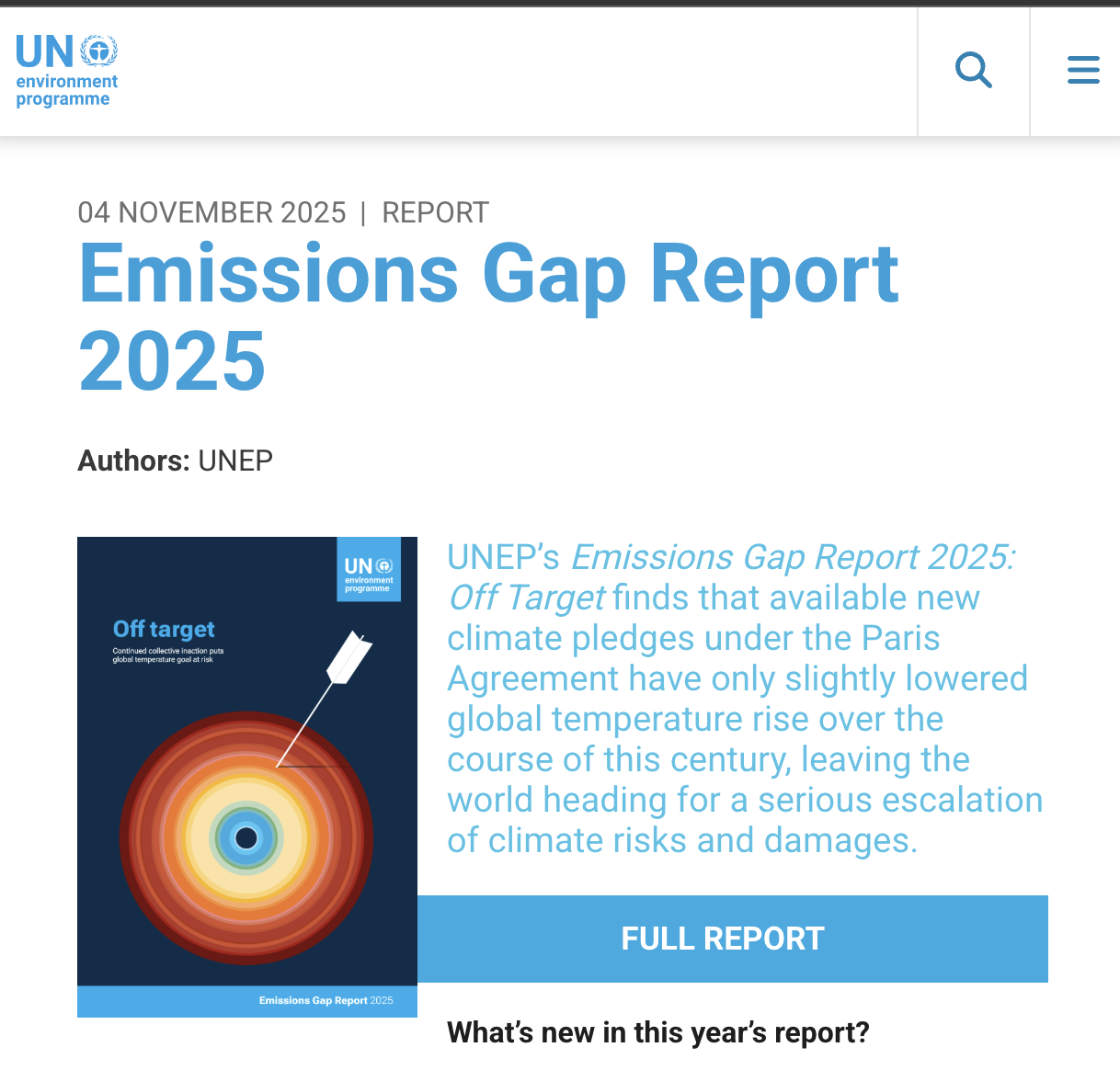
The UNEP : “Emissions Gap Report 2025”
Published every year, The Emissions Gap Report is the most authoritative statement on the latest carbon emissions data. This data is at the root of the CUTx Index numbers.
The Royal Society – short guide to climate science
Founded in 1660, The Royal Society (UK) is the oldest continually existing science academy in the world. Here they have some pages on climate science.
Exploring Chapter 5 – The United Nations?
Choose one area to explore in more depth. Each path keeps you inside the same modal so you can step back cleanly or return to the course matrix at any point.
Exploring Chapter 6 – Who is responsible?
Choose one area to explore in more depth. Each path keeps you inside the same modal so you can step back cleanly or return to the course matrix at any point.
Videos
CLIMATE ACADEMY supplementary videos
The Red Fort Series (Delhi)
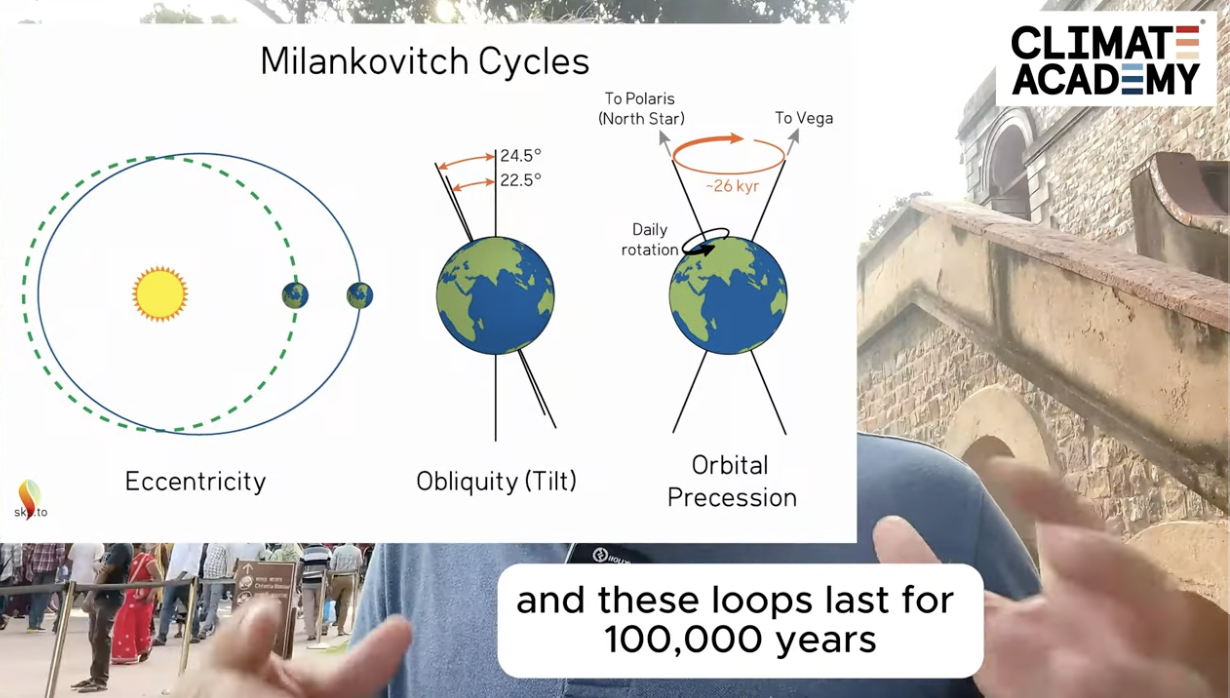
It is humans, duh!
A quick summary of why we know that the current, abrupt climate change is caused by humans. In contrast to past climate changes that are well understood by scientists, such as Milankovitch.
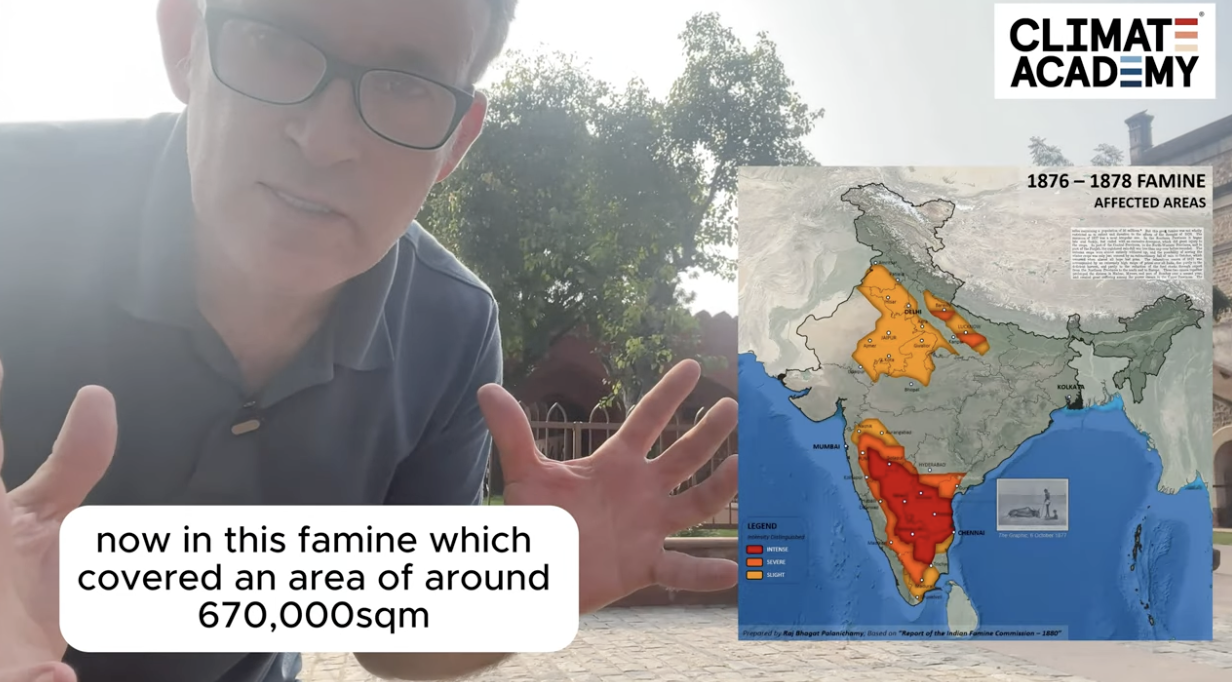
India as a case study (Capitalism and Adam Smith’s knuckles):
If capitalism is the organising principle of your country and economy, then things like the environment and human well being are only secondary concerns after the imperatives of growth and profits. A truth that hit India hard during the colonial period, when they felt the full force of Adam Smith’s ‘invisible hand’ in periods of drought.
Further supplementary videos

George Monbiot on the British Empire
George Monbiot lifts the lid on some truths about British colonial rule that do not often get put on the surface.
George Monbiot on the dark side of British colonial history
George Monbiot exposes some tough truths about Britain’s colonial past and how such injustices are still in play today.
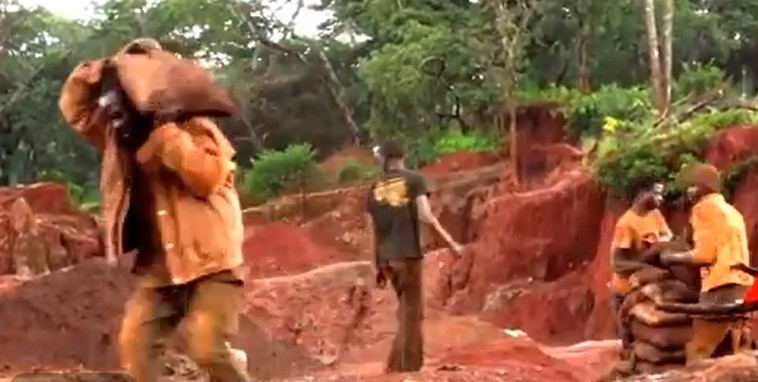
George Monbiot on Happy Columbus Day
George Monbiot on the bloody past and legacy of Christopher Columbus.
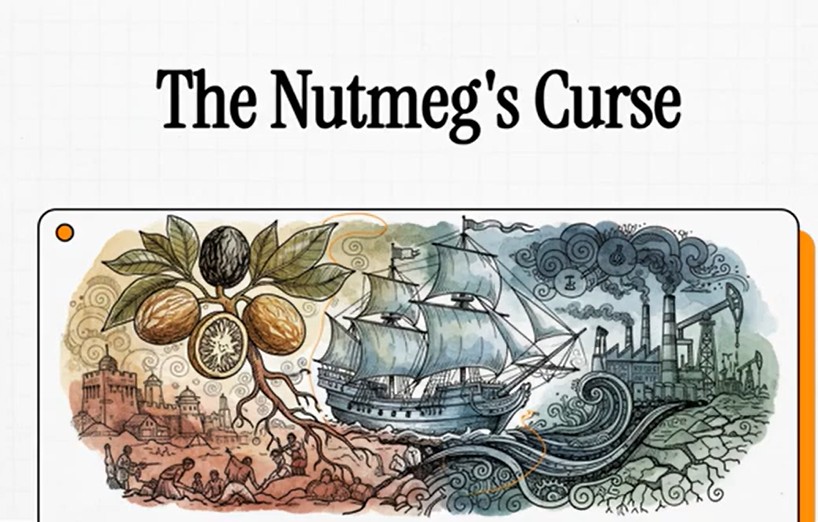
The Nutmeg's Curse - How empire changed nature into a commodity
A quick but clear overview of some key points raised by Amitav Ghosh’s book.
Books
The Nutmeg Curse - Amitav Ghosh (2021)
Acclaimed writer Amitav Ghosh finds the origins of our contemporary climate crisis in Western colonialism’s violent exploitation of human life and the natural environment. This book traces our contemporary planetary crisis back to the discovery of the New World and the sea route to the Indian Ocean. The Nutmeg’s Curse argues that the dynamics of climate change today are rooted in a centuries-old geopolitical order constructed by Western colonialism. At the center of Ghosh’s narrative is the spice nutmeg. The history of the nutmeg is one of conquest and exploitation—of both human life and the natural environment. In Ghosh’s hands, the story of the nutmeg becomes a parable for our environmental crisis, revealing the ways human history has always been entangled with earthly materials such as spices, tea, sugarcane, opium, and fossil fuels. Our crisis, he shows, is ultimately the result of a mechanistic view of the earth, where nature exists only as a resource for humans to use for our own ends, rather than a force of its own, full of agency and meaning.
Late Victorian Holocausts: El Niño Famines and the Making of the Third World (2000)
Bestselling, powerful book that pulls together of global environmental history and global political history. “Late Victorian Holocausts” examines a series of El Niño-induced droughts and the famines that followed around the globe in the last third of the 19th century. Mike Davis opens up the what happens when imperial arrogance combines with extreme weather events. Late Victorian Holocausts focuses on three zones of drought and subsequent famine: India, Northern China; and Northeastern Brazil. All were affected by the same global climatic factors that caused massive crop failures, and all experienced brutal famines. But the effects of drought were magnified in each case because of the myopic policies of the different ruling elites. Davis argues that the roots of the Third World (now known as the Global South) are to be found in this era of High Imperialism.
Less is More, Jason Hickel (2020)
The world has finally awoken to the reality of climate breakdown and ecological collapse. Now we must face up to its primary cause. Capitalism demands perpetual expansion, which is devastating the living world. There is only one solution that will lead to meaningful and immediate change: degrowth. If we want to have a shot at halting the crisis, we need to slow down and restore the balance. We need to change how we see nature and our place in it, shifting from a philosophy of domination and extraction to one that’s rooted in reciprocity and regeneration. We need to evolve beyond the dogmas of capitalism to a new system that’s fit for the twenty-first century. But what about jobs? What about health? What about progress? This book tackles these questions and offers an inspiring vision for what a post-capitalist economy could look like. An economy that’s more just, more caring, and more fun. An economy that will not only lift us out of our current crisis, but also restore our sense of connection to a world that's brimming with life. By taking less, we can become more.
Websites
Climate Central - Sea Level Maps
A clear, interactive map of the world - in which you can manipulate the sea level rise by centimetres, or meters, and visualise what future maps of our coasts and cities will look like in the future. The regrettable truth about redrawing our coasts and displacing our cities is that it is the poor and vulnerable who suffer the most. Find your own city, or one that you love, and have a look at what happens if we push sea levels up by a few meters.
The Writing's on the Wall
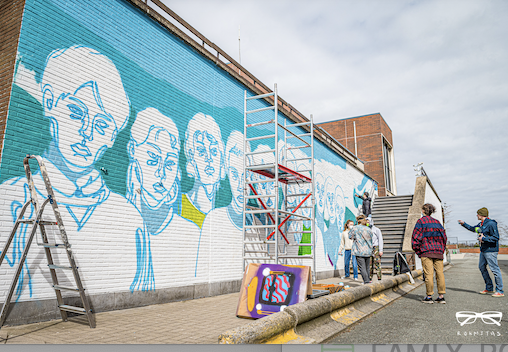
This official Climate Academy project pulls together science and art. Without a rapid transformation of our energy infrastructure, humanity will start hitting various planetary boundaries. Inspired by Norman Rockwell’s ‘The Right to Know’ (1968), Climate Academy students in Brussels designed and created a mural in the grounds of their school evoking the rights of young people who will be worst affected by the consequences of climate change. Do you have a wall that could be transformed into a climate mural in your school?
Exploring Chapter 7 – The CUTx Index
Choose one area to explore in more depth. Each path keeps you inside the same modal so you can step back cleanly or return to the course matrix at any point.
Videos
CLIMATE ACADEMY supplementary videos
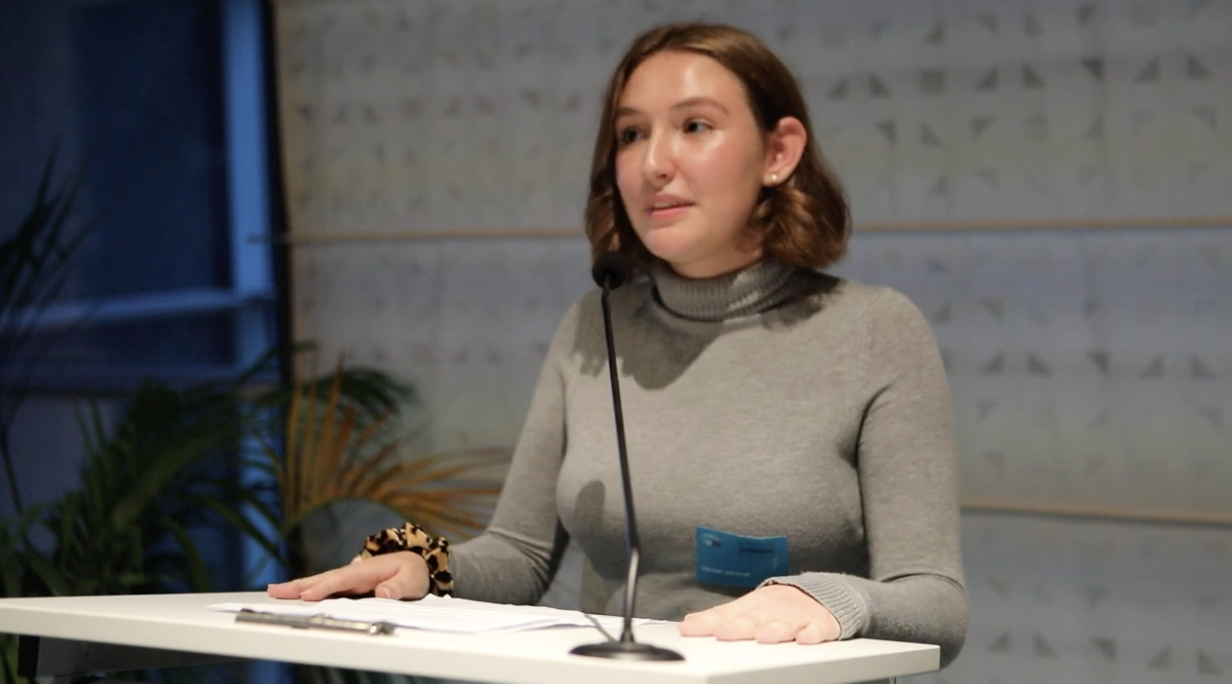
Climate Academy Student Speech at EU Parliament
Following on from the protest outside the EU Commission in November 2018, students of The Climate Academy were invited to speak to MEPs in the EU Parliament. Clara Sammaritano (Italian) underlines some key points about the CUTx Index, and its wider significance.
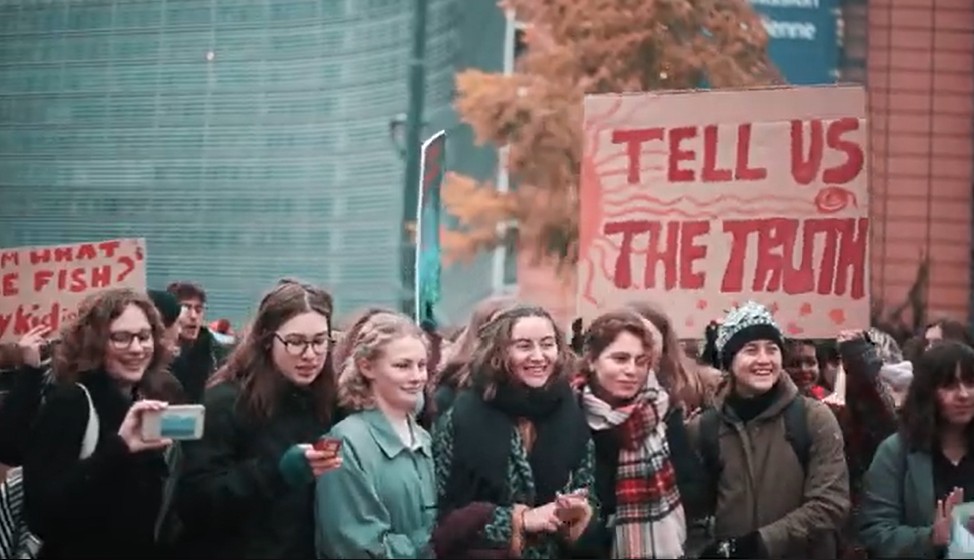
Right to Know demonstration - outside EU Commission - November 2018
Following the example of Greta Thunberg, The Climate Academy organise a climate protest in Brussels. The first protest in the world to number more than one person, in a movement that would eventually include over 10 million people.
Websites

The CUTx Index
The home of the CUTx Index. You can find the latest numbers for every country in the world here, alongside the names of the world’s top scientists who have supported these figures for communication.
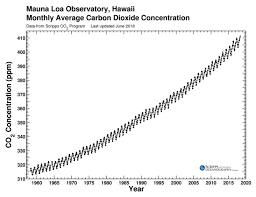
The Keeling Curve
This is the home of the Keeling Curve. Since 1958, the Mauna Loa Observatory in Hawaii has been measuring the concentrations of CO2 in the atmosphere. Named after the scientist who established the observations, Charles David Keeling, this reading is the most fundamental data point in the climate crisis.
Exploring Chapter 8 – Tipping Points – Physical
Choose one area to explore in more depth. Each path keeps you inside the same modal so you can step back cleanly or return to the course matrix at any point.
Videos
Climate Academy Supplementary Videos
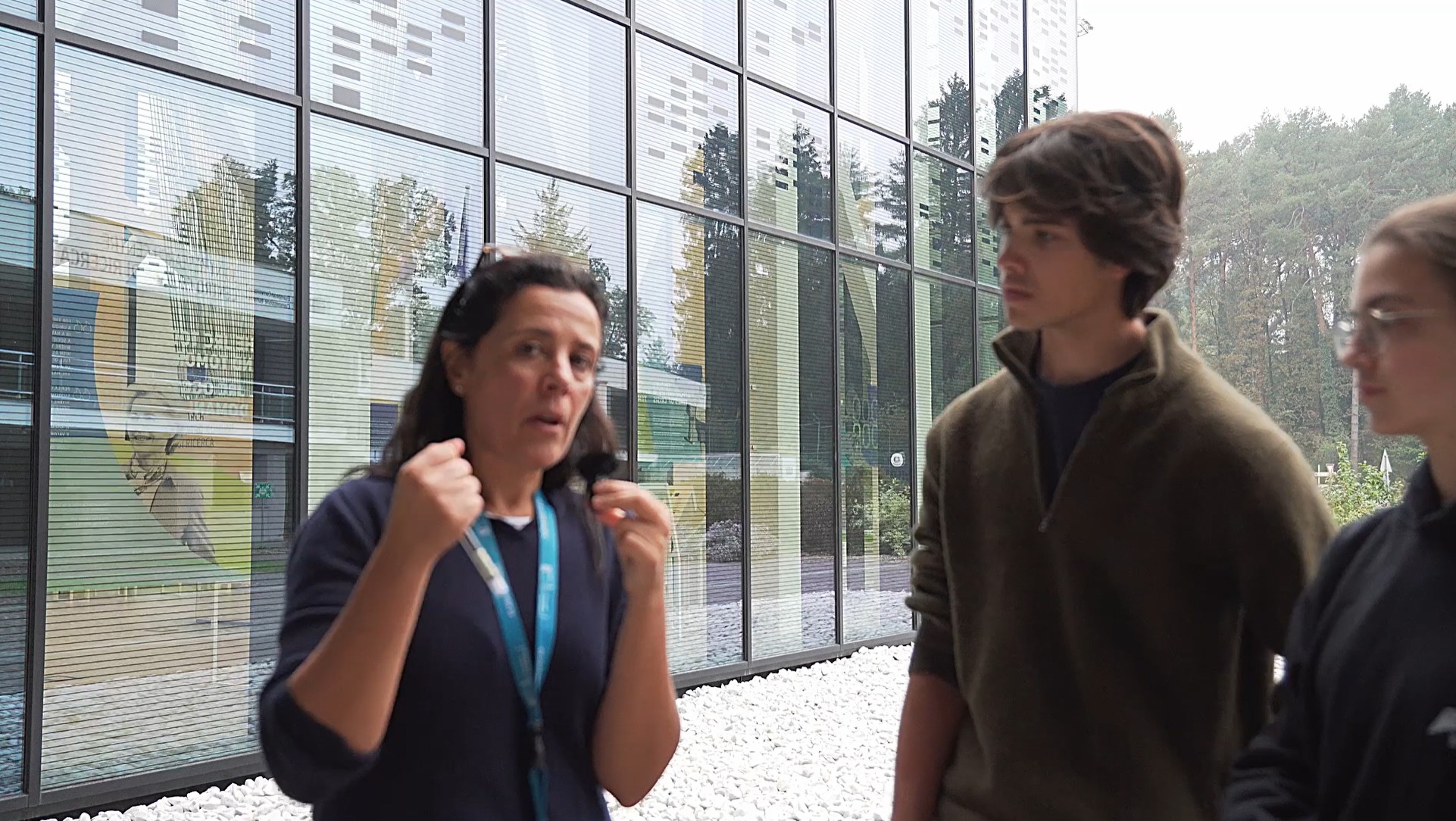
Interview Dr Rosa Román Cuesta
After an illuminating talk on Earth Systems tipping points, expert Dr Rosa Román Cuesta takes the time to answer some follow-up questions from two Climate Academy students (Petra Lindholm & Sarnath Ghesquière). Filmed at the Joint Research Centre (JRC) of the EU Commission, in Ispra (Italy) in the autumn of 2025.
Further Supplementary Videos
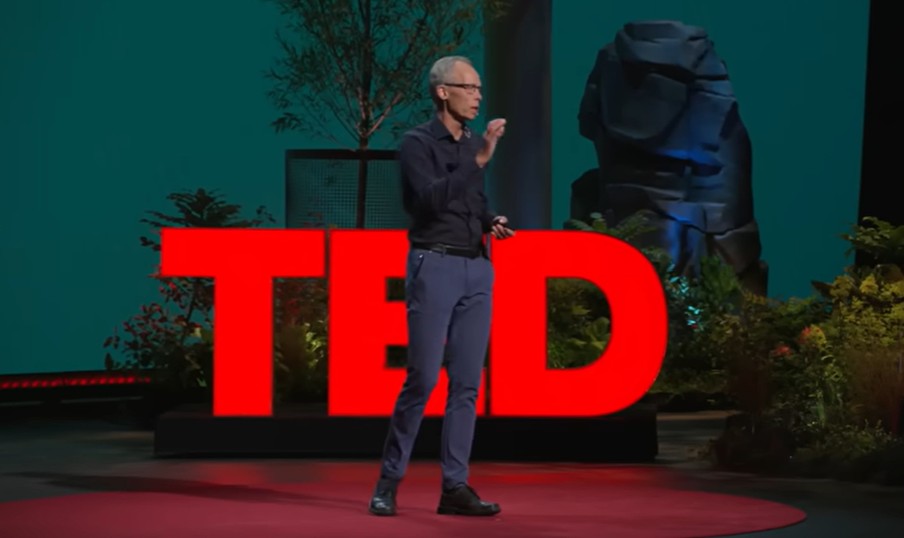
Johan Rockström - Tipping points and where we stand
The Swedish scientist who introduced the framework of the planetary boundaries, Johan Rockström, provides an update on where we stand. How much resilience is left in Earth Systems? Where are the key stresses occurring? And what can be done about it.
Books
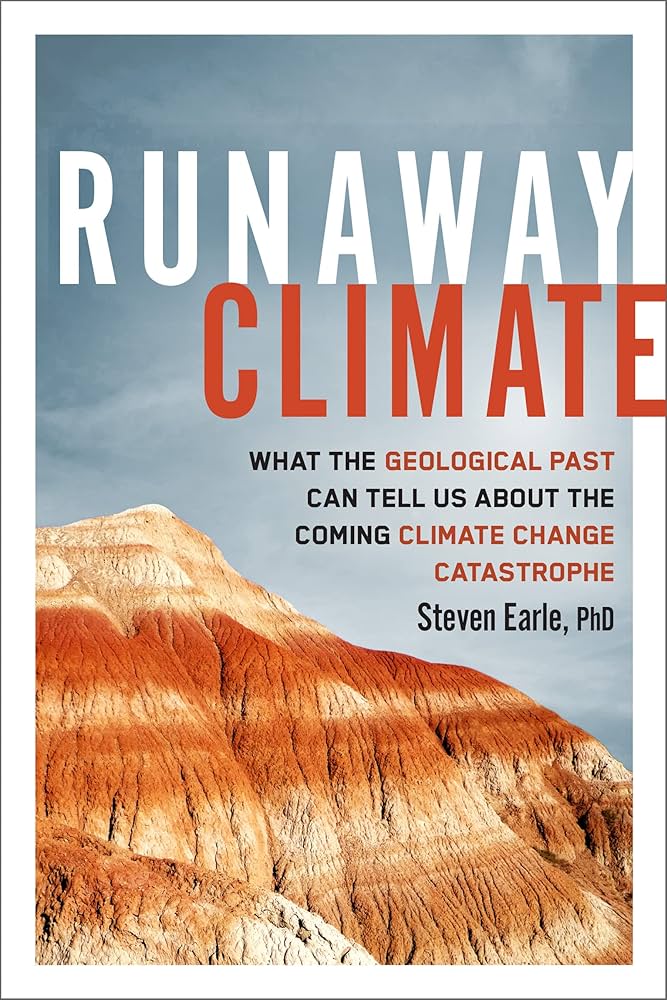
Runaway Climate - Steven Earle (2020)
A book resource that extends the ideas in Chapter 8.
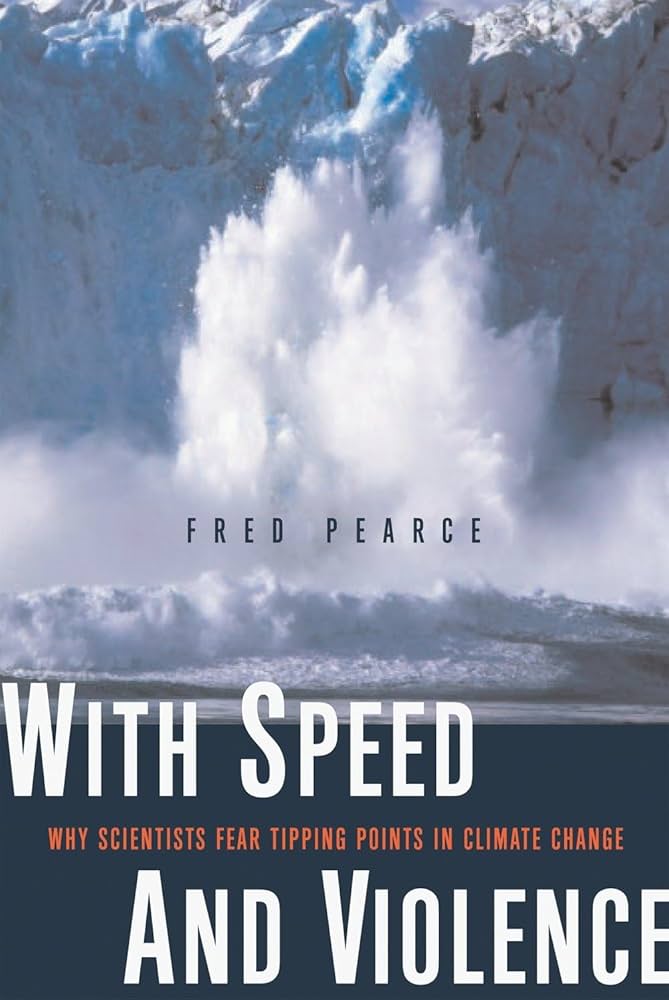
With Speed and Violence: Why Scientists Fear Tipping Points in Climate Change - Fred Pearce (2007)
A book resource that extends the ideas in Chapter 8.
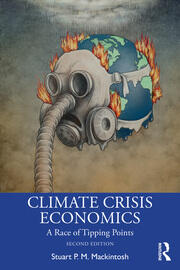
Climate Crisis Economics: A Race of Tipping Points - Stuart P. M. Mackintosh (2025)
A book resource that extends the ideas in Chapter 8.
Websites
The Global Tipping Points Report
In 2025 a very significant scientific summary was published on the state of play with global tipping points. A total of 160 authors, from 23 countries and 87 institutions contributed. Together, we consolidated knowledge on how to govern Earth system tipping points, the risks they pose, and the opportunities presented by understanding and acting on positive tipping points. You can download it for free here. Either as the full report, or as a summary. Both are full of clear and powerful graphics, tables, data and insights.
Exploring Chapter 9 – Paradigm Shifts
Choose one area to explore in more depth. Each path keeps you inside the same modal so you can step back cleanly or return to the course matrix at any point.
Videos
Further supplementary videos
Monty Python - What have the Romans ever done for us?
The leader of a Jewish terrorist organisation, angry at Roman occupation, asks the now famous question, “What have the Romans ever done for us?” A sketch that leads to more questions… how long should we hold to a belief when there is mounting evidence against it? Why might we be unwilling to drop our assumptions?

Monty Python: I’m not the Messiah, honestly.
A case of mistaken identity, and Brian is forced to wrestle with a group of people who think he is the Messiah. A classic illustration of a key issue in Philosophy, raised by Karl Popper: the limits of ‘verification’. Just because you have some kind of evidence for a belief, does not establish the veracity of that belief. For big, wide open truth claims, almost anything can be made to fit with that belief. Instead of a principle of verification for testing beliefs, Popper proposed the principle of falsification. He argued that we should try and make our beliefs fail, we should test them, wrestle with them, try to find their weaknesses. And if, after all that, our beliefs remain standing, we can be more confident that we are on solid ground.
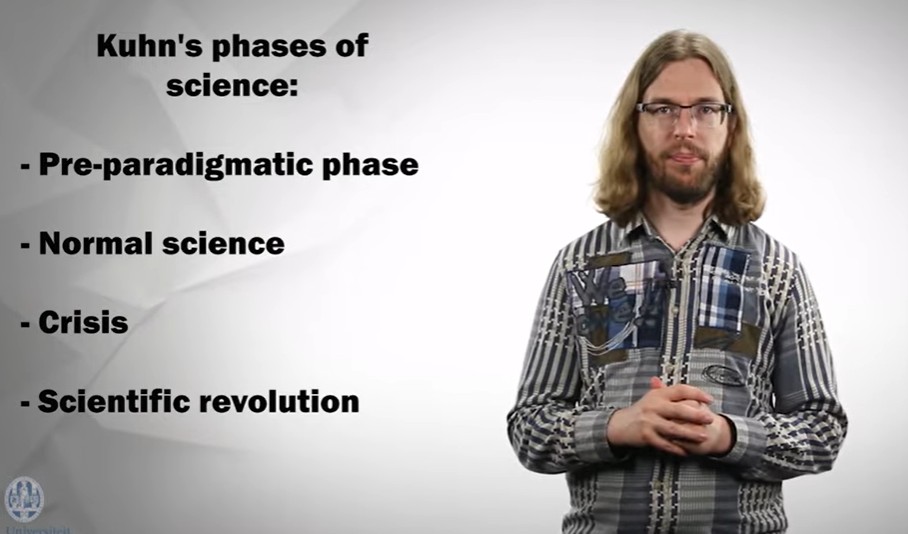
Thomas Kuhn - Paradigm Shifts by Victor Gijsbers
A series of lectures by the engaging and articulate Victor Gijsbers. They feature the work of Popper and Kuhn, two key thinkers in the Philosophy of Science, who can help us think through the relationship between belief, evidence, truth and psychology.
Books
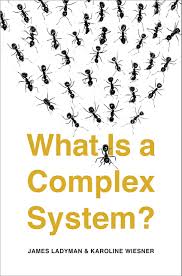
What is a complex system? James Ladyman & Karoline Wiesner (2020)
What is a complex system? Although "complexity science" is used to understand phenomena as diverse as the behavior of honeybees, the economic markets, the human brain, and the climate, there is no agreement about its foundations. In this introduction for students, academics, and general readers, philosopher of science James Ladyman and physicist Karoline Wiesner develop an account of complexity that brings the different concepts and mathematical measures applied to complex systems into a single framework. They introduce the different features of complex systems, discuss different conceptions of complexity, and develop their own account. They explain why complexity science is so important in today's world.
Websites

The Santa Fe Complex Science Institute
The leading institute in the world in Complex Science. You can find talks, papers, and conceptual frameworks here.
Exploring Chapter 10 – Tipping Points – Social
Choose one area to explore in more depth. Each path keeps you inside the same modal so you can step back cleanly or return to the course matrix at any point.
Videos
CLIMATE ACADEMY supplementary videos
The Ghandi Series (Delhi)
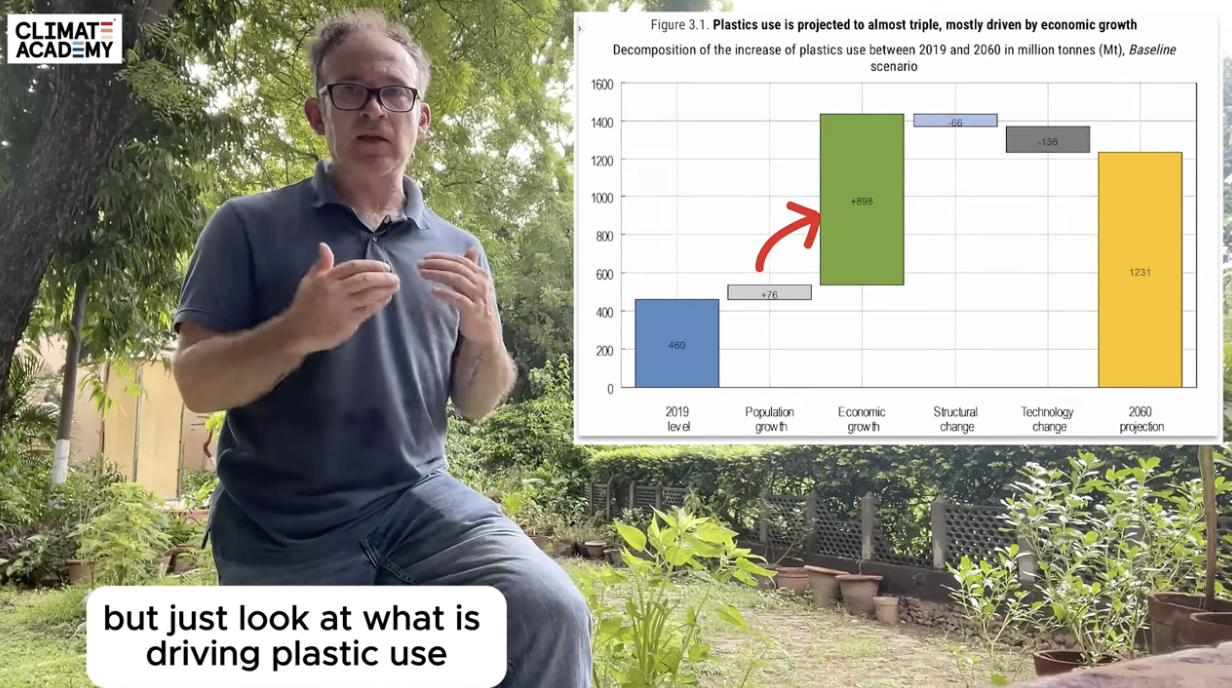
1) On leverage points:
Environmental education in schools across the world is dominated by narratives about individual action. Typically, about waste, recycling and plastic. When these issues are not plugged into a wider systems perspective, they are limp, boring and disempowering for young people. Ghandi understood the power than can be unlocked by simple actions, if they point beyond themselves to systemic change and systemic injustices.
2) On the power of truth:
There is a lot of timidity in secondary schools on climate education. The full truths about ecological collapse are not put squarely on the table, the complexity of the systems in play are often reduced down to simplistic slogans and clichés. Ghandi was not shy about the truth. He thought it had both a transformative and nourishing power. Captured in the concept of “Satyagraha”
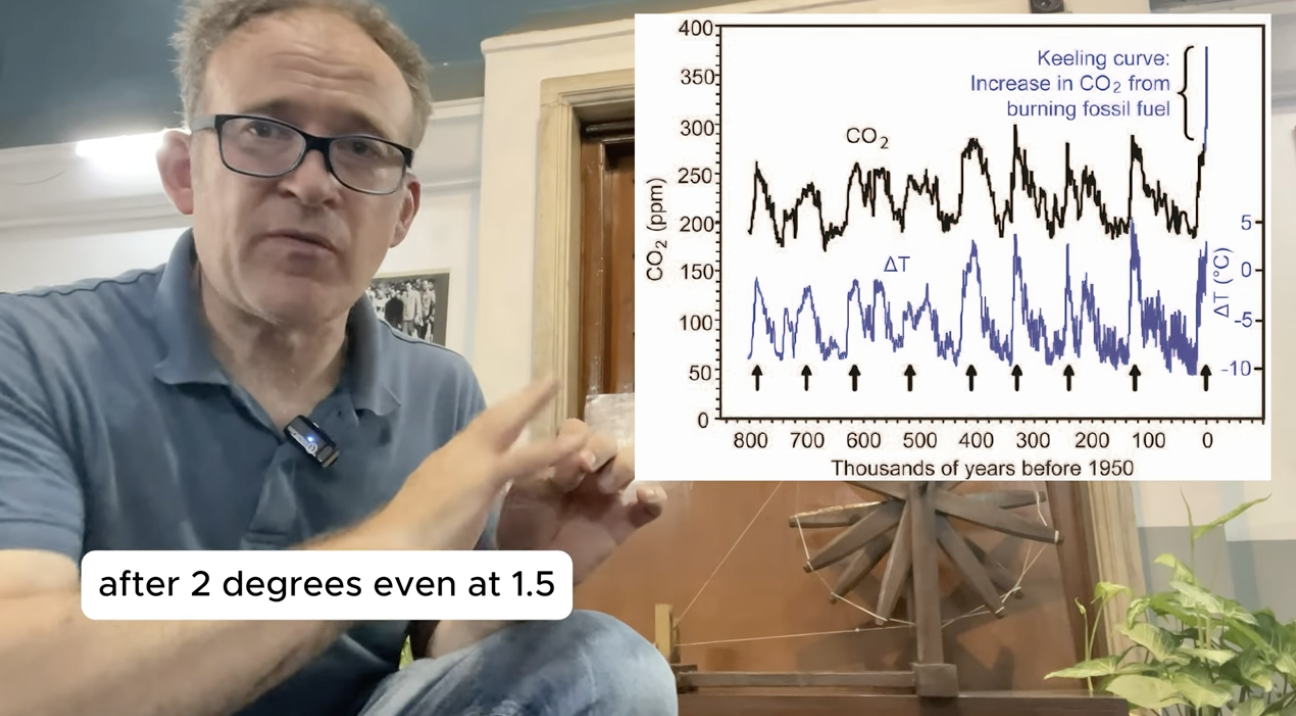
3) On Understanding :
If you take the “understanding” and split it up, into “under” “standing”, there is beautiful modesty in the English word. French “compris” and Dutch “begripen’ infer a grasping and holding. This modesty is important in climate change education. Modesty about the science (the science is emphatically clear, but good science is always tentative) & modesty about the impact of our actions (we should aim for leverage points, and systems change, but be open to failure and rethinking our strategies).
Further supplementary videos

Nina Simone - “Strange Fruit”
A remarkably powerful performance of this remarkable song, from the Civil Rights Movement.
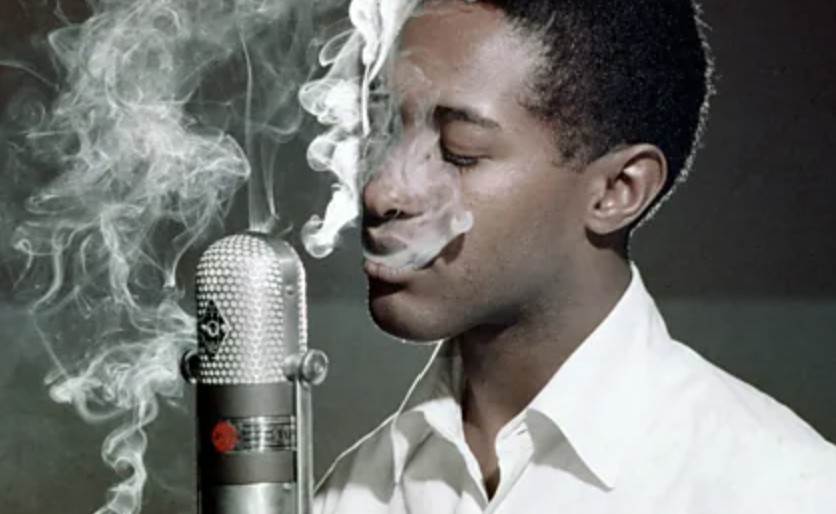
A change is gonna come - BBC podcast - Soul Music
Released in December 1964, Sam Cooke's song has become synonymous with the American civil rights movement. There are powerful lessons to be learned from reflecting on the origins of the song, the life of Sam Cooke, and our modern fights for justice.

Strange Fruit - BBC podcast - Soul Music
This ‘Soul Music’ podcast from the BBC opens up the background to the song, “Strange Fruit”... and how the song still resonates today.
Books
The Tipping Point: How Little Things Can Make a Big Difference - Malcolm Gladwell (2000)
Gladwell’s celebrated book explores how small actions, ideas, or behaviors can reach a "tipping point" and spread like a virus. To make an idea go viral, it must satisfy three rules: the Law of the Few (key people), the Stickiness Factor (memorable content), and the Power of Context (environmental influence). His work has important implications for how we go about trying to achieve climate stability and justice.
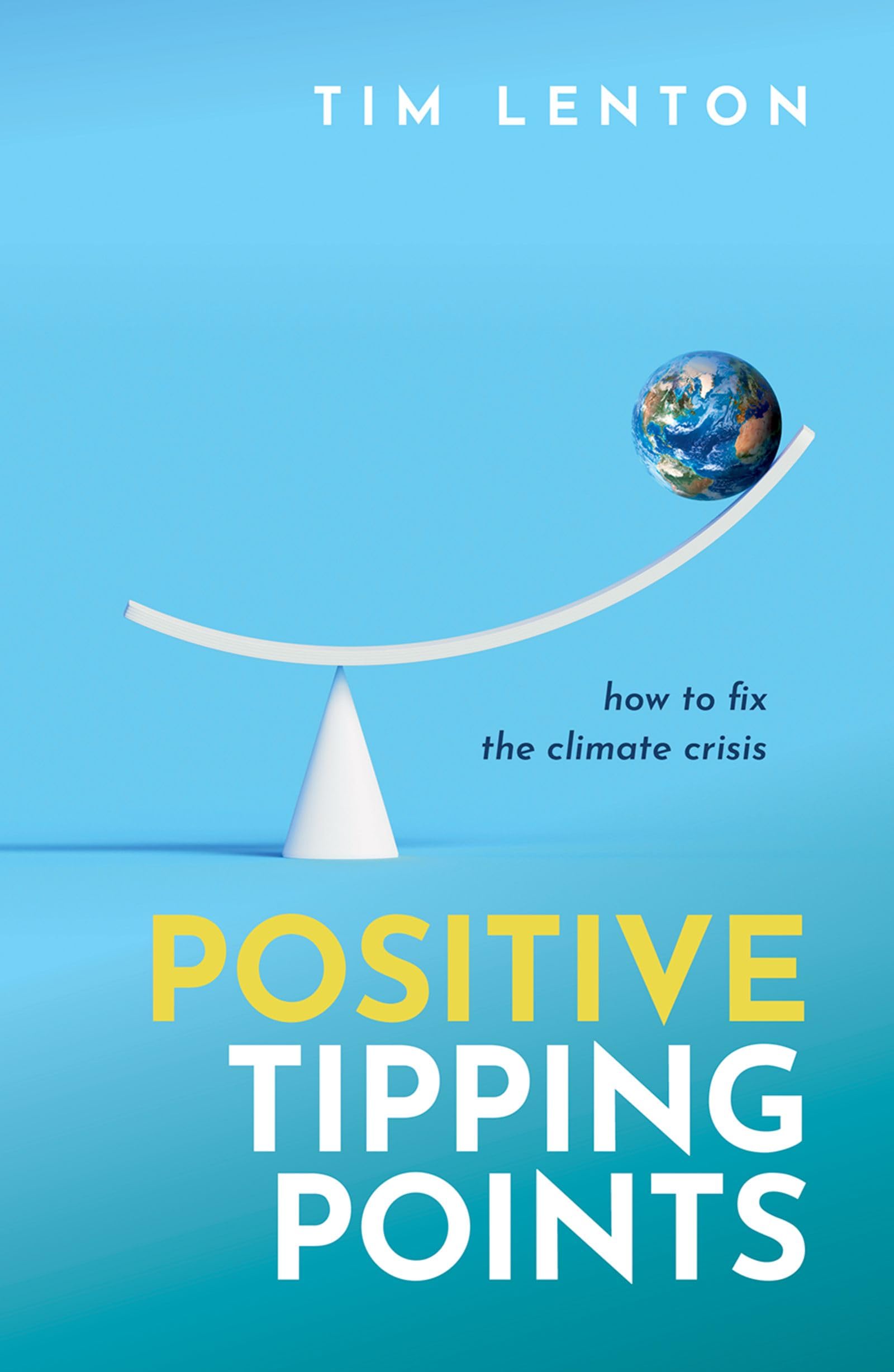
Positive Tipping Points - Tim Lenton
The rising frequency and intensity of environmental shocks indicate that we have left it too late for incremental change to save us: we need to change course fast to avoid the worst, yet we are acting far too slowly. Our supposed leaders appear paralysed by the complexity of the situation or, worse still, determined to maintain the status quo. This book identifies the positive tipping points that can help us avoid the worst from damaging tipping points. It takes the reader on a journey through understanding how tipping points happen, showing how tipping points have transformed human societies in the past, and facing up to the profound risks that climate tipping points pose to us all now. Then, it offers hope and empowerment in a series of uplifting examples of social and technological changes that started small but are already spreading rapidly to transform our societies to a more sustainable state. It identifies the positive tipping points that are still needed, the forces that are opposing them, and the actions that can trigger them, showing how we can all play a part in triggering positive tipping points that accelerate us out of the climate crisis.
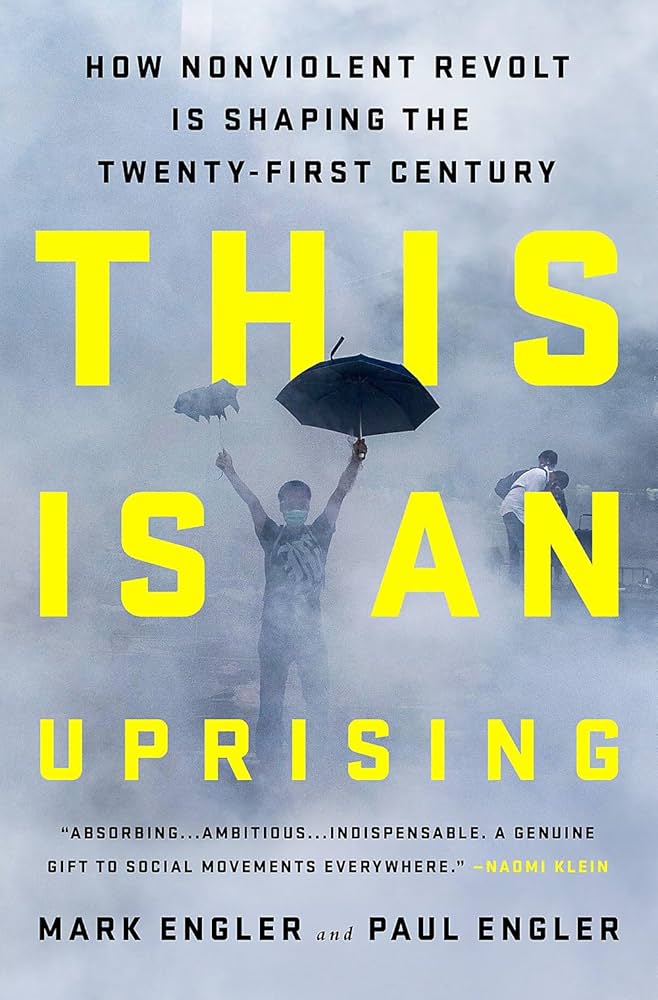
“This Is An Uprising: How Nonviolent Revolt Is Shaping the Twenty-First Century” - Mark Engler and Paul Engler (2016)
This book examines how strategic nonviolent movements can drive large-scale social and political change, synthesizing lessons from past uprisings to explain the dynamics of contemporary activism. It situates nonviolent resistance within a strategic framework rather than as a purely moral stance. Drawing on theories of civil resistance and case studies from movements such as the U.S. civil rights struggle, environmental campaigns, and the Arab Spring, the Englers argue that disciplined disruption can transform political realities. They highlight the difference between organizing and uprising, proposing that effective movements often blend both approaches.
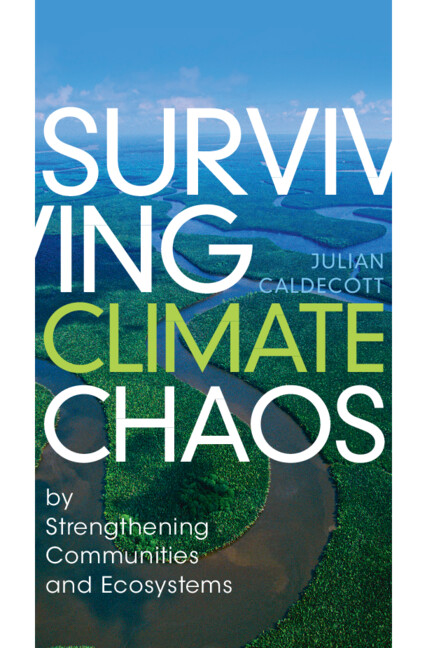
Surviving Climate Chaos - Julian Caldecott (2021)
Surviving climate chaos needs communities and ecosystems able to cope with near-random impacts. Their strength depends upon their integrity, so preserving and restoring this is essential. Total climate breakdown might be postponed by extreme efforts to conserve carbon and recapture pollutants, but climate chaos everywhere is now inevitable. Adaptation efforts by Paris Agreement countries are converging on community-based and ecosystem-based strategies, and case studies in Bolivia, Nepal and Tanzania confirm that these are the best ways forward. But success depends on local empowerment through forums, ecosystem tenure security and environmental education. When replicated, networked and shielded by governments, they can strengthen societies against climate chaos while achieving sustainable development. These vital messages are highlighted for all those who seek or have already found a role in promoting adaptation: for students, researchers and teachers, government officials and aid professionals, and for everyone who is now living under threat of climate chaos.
Exploring Chapter 11 – The Psychology of Climate Change (1)
Choose one area to explore in more depth. Each path keeps you inside the same modal so you can step back cleanly or return to the course matrix at any point.
Videos
CLIMATE ACADEMY supplementary videos
The Nietzsche Series (Leipzig)
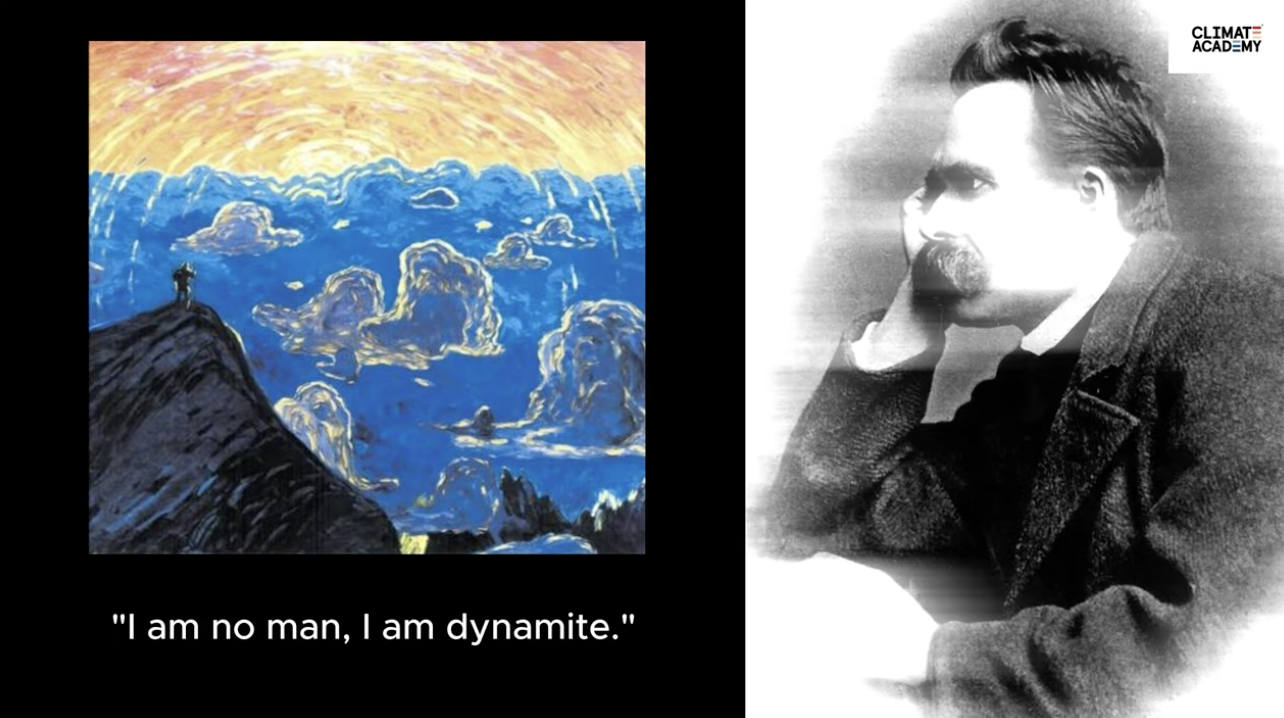
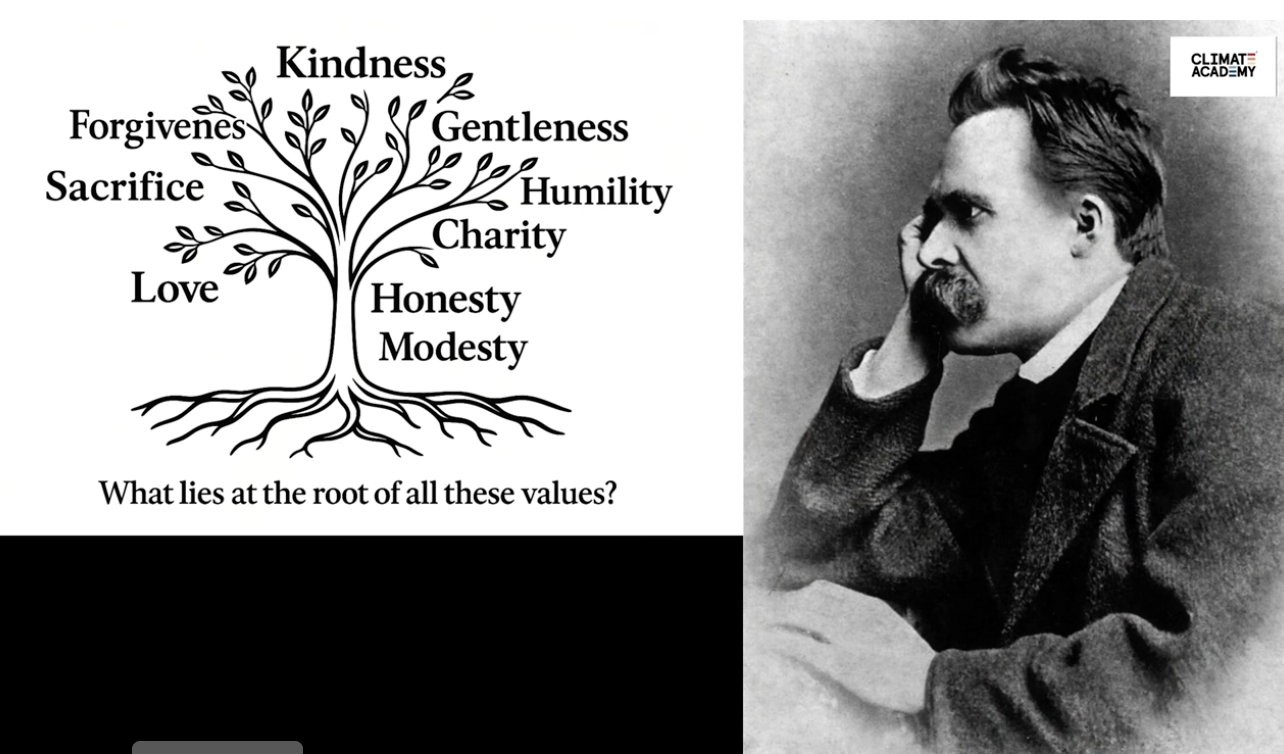
2) Getting to the root of things:
Nietzsche rebelled against the Christian world that he grew up in. He was prepared to do some deep psychology about the values that had come to dominate the Western world. He ripped of the cultural wallpaper with a probing analysis of history, his cultural vandalism is also revealing for some of the cultural clichés in play with climate change.
3) The Slave Revolt:
What feels like a virtue, might turn out to be a vice. Nietzsche’s unflinching account of Christian morality is rooted in a brave psychological examination of the human condition. His groundbreaking book, “On The Genealogy Of Morality” (1887) offers some lessons for our response to the climate crisis.
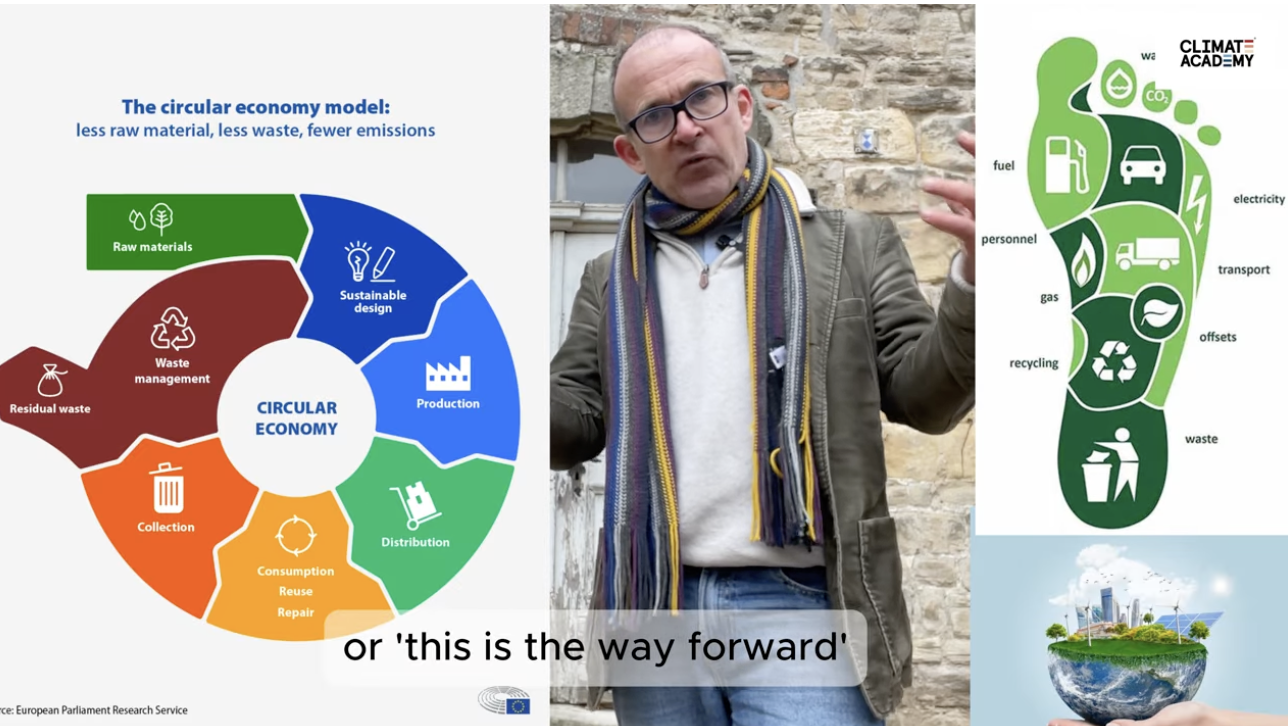
4) Beyond the clichés (1
Why do we use the word “green transition” when it isn’t happening yet? Why does “the individual carbon footprint” and “the circular economy” get so much traction and attention in the public space on environmental action? Is it because we are not willing to look at some bigger truths about the system? Are there power interests in play behind the scenes? Nietzsche helps us think it through.
5) Beyond the clichés (2):
Why is it so controversial to ask questions about capitalism? Why do things get prickly if we start to question economic growth? Are these things sacred dogmas not be analysed? Are they untouchable taboos? Nietzsche would not have hesitated to ask the tough questions. He was not afraid to pull everything in for examination and debate. We can follow his example, especially when the future of human civilisation
6) On the death of God (1) :
How do you say that it is true that there is no truth, without falling into a contradiction? Nietzsche’s philosophy takes us to the limits of language and thought.
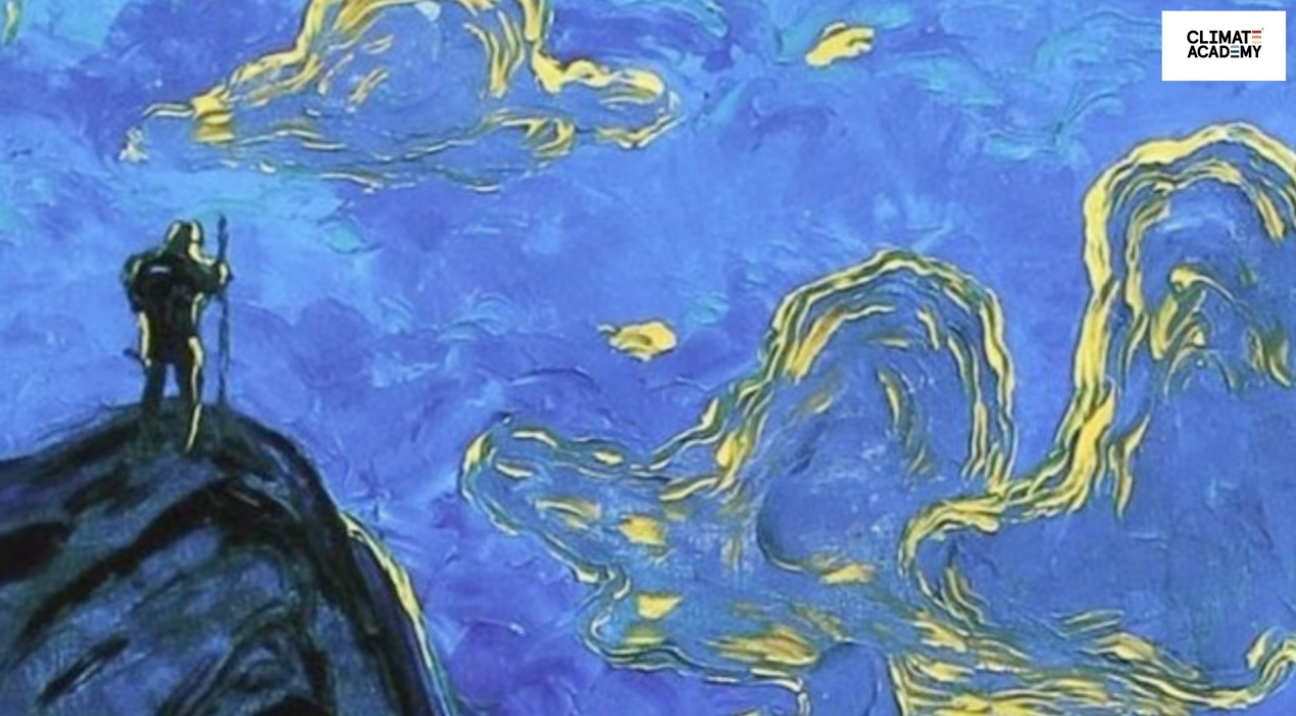
7) On the death of God (2) :
Nietzsche’s iconic line, “God is dead” is explained and unpacked. In following Nietzsche into the deep psychology of religious belief, it turns out that he can also help us understand why we might struggle to really grasp the true dimensions of the climate crisis.
Further supplementary videos
The Nietzsche Series (Leipzig)
“The Century of the Self” BBC2, Adam Curtis.
A supporting video resource linked to Chapter 11: The Psychology of Climate Change (1).

The Century of the Self - Adam Curtis - BBC documentary
Paul Mazur, a leading Wall Street banker working for Lehman Brothers in 1927, wrote, "We must shift America from a needs- to a desires-culture. People must be trained to desire, to want new things, even before the old have been entirely consumed. [...] Man's desires must overshadow his needs. This wonderfully clear and kaleidoscopic series by the celebrated documentary filmmaker, Adam Curtis, explores the various ways that governments, global organizations and corporations have used Freud’s theories to understand, manipulate and control mass culture.
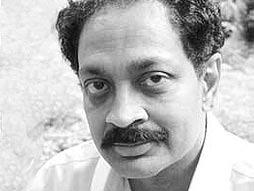
Phantoms in the Brain - V.S. Ramachandran
Professor Ramachandran's work has concentrated on investigating phenomena such as Phantom Limbs, Anosognosia, Anorexia Nervosa - and as referenced in Chapter 11 of the Student book, Gross Akinetopsia better known as ‘Motion Blindness’.
Anna Freud - On Defence Mechanisms
Everyone is prone to ‘being defensive’ when faced with major challenges. This is a short, animated introduction to the work of Anna Freud, who pioneered the study of defence mechanisms. Happily, her work is diagnostic, not accusative. It is open handed, not shrill. And for those willing to reflect, it can be very revealing.
Books
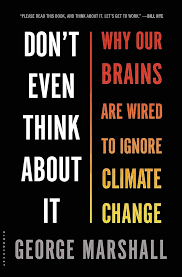
Don't Even Think About It: Why Our Brains Are Wired to Ignore Climate Change - George Marshall (2014)
What is this psychological mechanism that allows us to know something is true but act as if it is not? George Marshall's search for the answers brings him face to face with Nobel Prize-winning psychologists and the activists of the Texas Tea Party; the world's leading climate scientists and the people who denounce them; liberal environmentalists and conservative evangelicals. What he discovered is that our values, assumptions, and prejudices can take on lives of their own, gaining authority as they are shared, dividing people in their wake. With engaging stories and drawing on years of his own research, Marshall argues that the answers do not lie in the things that make us different and drive us apart, but rather in what we all share: how our human brains are wired-our evolutionary origins, our perceptions of threats, our cognitive blindspots, our love of storytelling, our fear of death, and our deepest instincts to defend our family and tribe. Once we understand what excites, threatens, and motivates us, we can rethink and reimagine climate change, for it is not an impossible problem. Rather, it is one we can halt if we can make it our common purpose and common ground. Silence and inaction are the most persuasive of narratives, so we need to change the story. In the end, Don't Even Think About It is both about climate change and about the qualities that make us human and how we can grow as we deal with the greatest challenge we have ever faced.
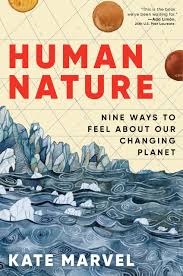
Human Nature: Nine Ways to Feel About Our Changing Planet – A Scientist's Hopeful, Heartbreaking Exploration of Climate- Kate Marvel (2025)
A book resource that extends the ideas in Chapter 11.
Exploring Chapter 12 – The Psychology of Climate Change (2)
Choose one area to explore in more depth. Each path keeps you inside the same modal so you can step back cleanly or return to the course matrix at any point.
Videos
Further supplementary videos
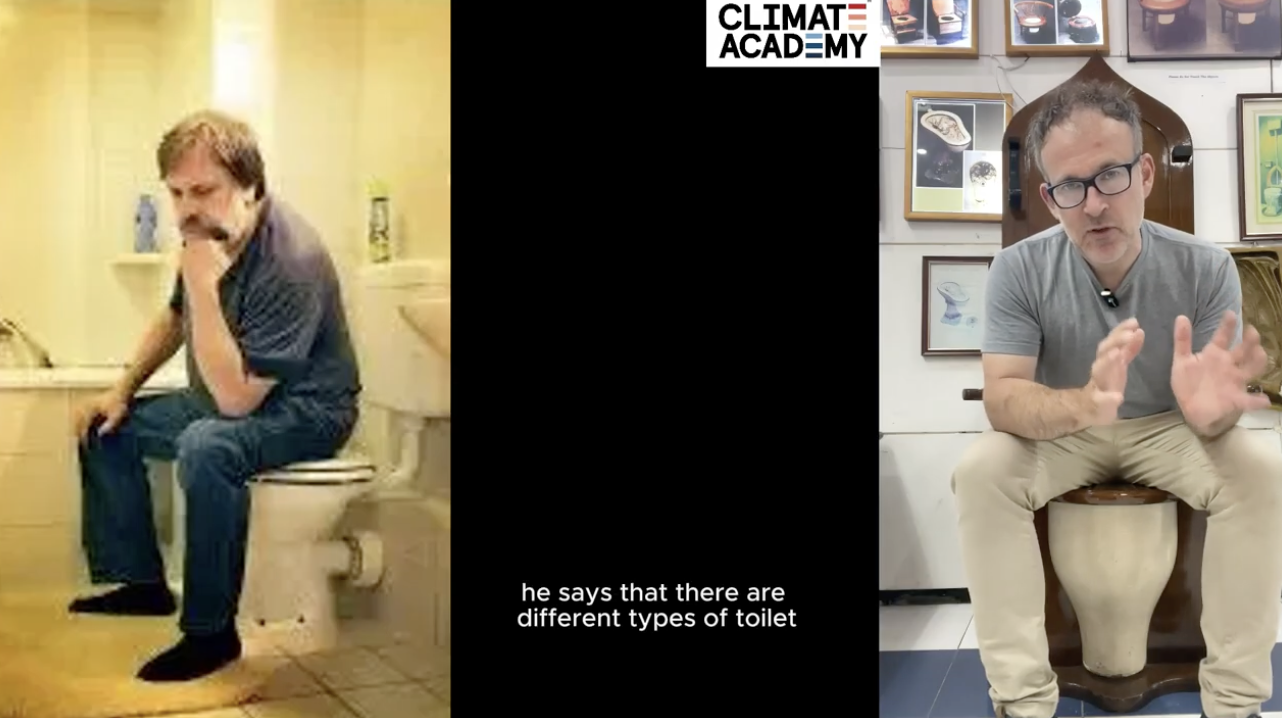
On toilets (with Zizek)
The Climate Academy is committed to a deep systemic understanding of the crisis, one that gets beyond clichés and simplistic greenwashing. With the help of Slavoj Zizek, at The International Museum of Toilets (Delhi), the grammar of our responses to the climate crisis is exposed. The narrative of the “individual carbon footprint” might be popular and feel virtuous, but we need to think more deeply about why that is the case.
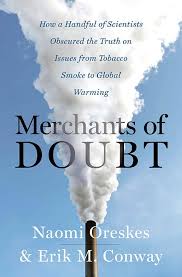
Merchants of Doubt
An engaging and insightful documentary about how doubt has been weaponised by the tobacco industry and the fossil fuel industry to stall action against their damaging products.
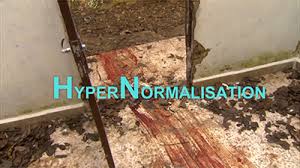
Hypernormalisation - Adam Curtis - BBC documentary
Here are the opening lines: “We live in a strange time. Extraordinary events keep happening that undermine the stability of our world. Suicide bombs, waves of refugees, Donald Trump, Vladimir Putin, even Brexit. Yet those in control seem unable to deal with them, and no-one has any vision of a different or a better kind of future. This film will tell the story of how we got to this strange place. It is about how, over the past 40 years, politicians, financiers and technological utopians, rather than face up to the real complexities of the world, retreated. Instead, they constructed a simpler version of the world in order to hang on to power. And as this fake world grew, all of us went along with it, because the simplicity was reassuring. Even those who thought they were attacking the system - the radicals, the artists, the musicians, and our whole counterculture - actually became part of the trickery, because they, too, had retreated into the make-believe world, which is why their opposition has no effect and nothing ever changes. Adam Curties writes and narrates with wonderful clarity. A thought provoking documentary that aims to get to the roots of things.
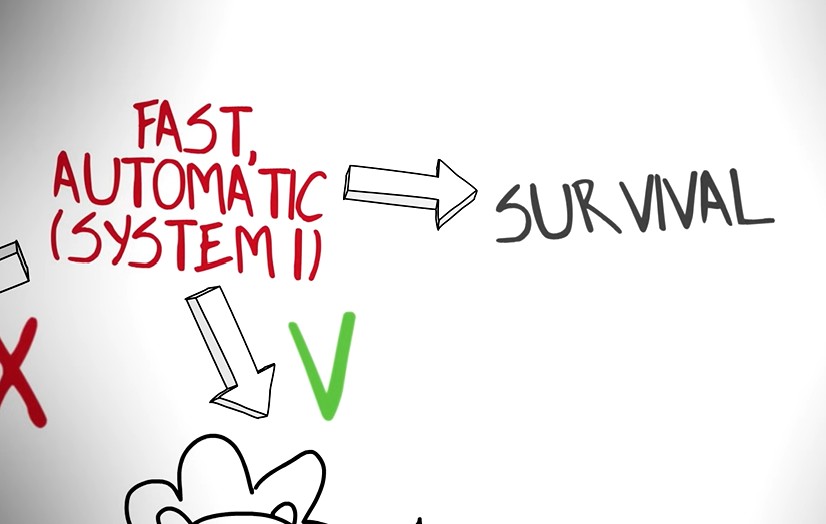
Thinking Fast and Slow
An animated summary of some of the key points in Daniel Kahneman’s celebrated book, “Thinking Fast and Slow”.
Singing in F#
Once the climate crisis has been more fully understood from a systems perspective, it can be rather jarring to observe people comment or respond to the crisis in a limited or poorly informed way. Conversely, it can be tricky to find ways to talk about the climate crisis in all its fullness, without fusing people out. This dissonance is symbolically expressed in this ditty.

Charlie Chaplin - face mask illusion
This amazing optical illusion shows how “top down” knowledge from the mind, can overrule, “bottom up” knowledge from the senses. Perhaps it is a metaphor for how some ‘tribal’ political beliefs (most typically on the far right), can block or filter out climate change data, simply because of the strength of those beliefs.
Books
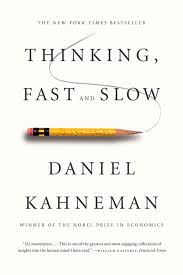
Thinking Fast and Slow - Daniel Kahneman (2011)
Thinking, Fast and Slow is a 2011 popular science book by the Israeli-American psychologist Daniel Kahneman. Its main thesis is a differentiation between two modes of thought: "System 1" is fast, instinctive and emotional; "System 2" is slower, more deliberative, and more logical. The book delineates rational and non-rational motivations or triggers associated with each type of thinking process, and how they complement each other, starting with Kahneman's own research on loss aversion. From framing choices to people's tendency to replace a difficult question with one that is easy to answer, the book summarizes several decades of research to suggest that people have too much confidence in human judgement.
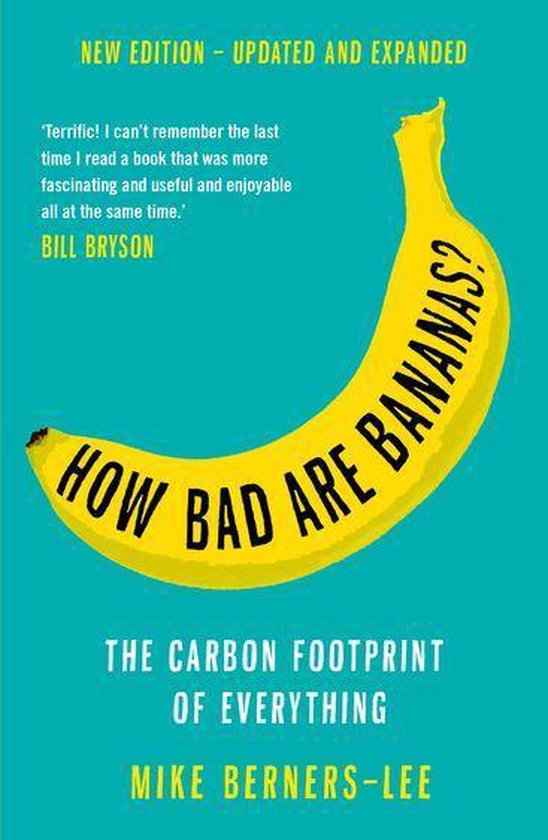
How Bad are Bananas? - Mike Berners-Lee (2010)
The Climate Academy is dedicated to a systems perspective, but this doesn’t invalidate the importance of individual action. From a text message to a war, from a Valentine's rose to a flight or even having a child, this book gives the answers to the carbon cost of each action. By talking through a hundred or so items, Berners-Lee illuminates the footprint of so many things we do, buy and think about. He helps us pick our battles by laying out the orders of magnitude. The book ranges from the everyday (foods, books, plastic bags, bikes, flights, baths…) and the global (deforestation, data centres, rice production, the World Cup, volcanoes… ) It contains many surprises. When you think more deeply about different objects and activities, the actual carbon footprint can go against your expectations.
Exploring Chapter 13 – The Paradox of Innovation
Choose one area to explore in more depth. Each path keeps you inside the same modal so you can step back cleanly or return to the course matrix at any point.
Videos
CLIMATE ACADEMY supplementary videos
The Bach Series (Leipzig)

1) An introduction
An introduction to this remarkable composer: JS Bach. A genius whose musical output is astonishing in its range, depth and clarity.

2) On Simplicity
Bach’s music is marked by a striking simplicity and balance. His music is dedicated “to the glory of God”, a line of reverence that indicates he was probing to connect with truths and beauty that are far beyond the ego and the self. The simplicity and quality of his music established him as the godfather to modern Western music, and these features of his work point at important truths of the human condition that can help us navigate through the climate crisis.
3) On Truth in the noise:
There are lessons in his life and work for how we handle our own busy lives with competing and complicated demands on it.
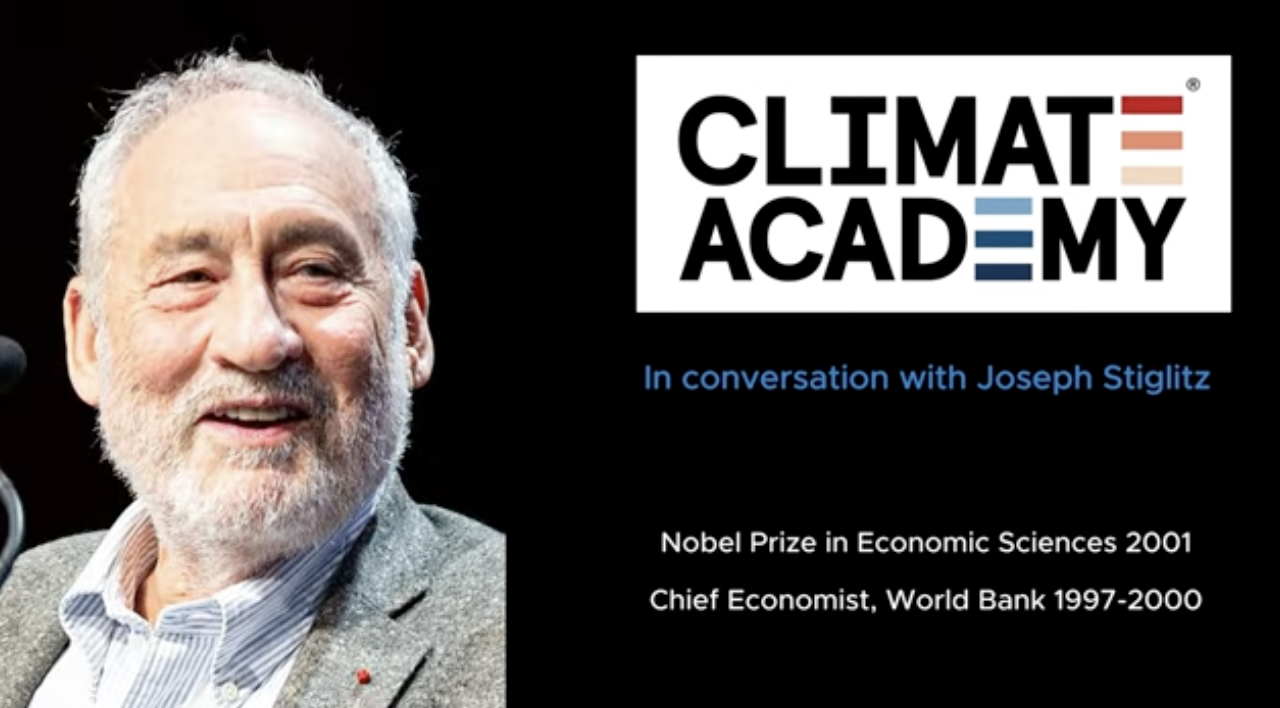
In conversation with Jospeh Stiglitz :
In conversation with Joseph Stiglitz Nobel Memorial Prize Winner of Economic Sciences (2001)
Further supplementary videos
Olivia Lazard - TED talk - The Blind Spots of the Green Energy Transition
The world needs clean power, but decarbonization calls for a massive increase in the mining and extraction of minerals like lithium, graphite and cobalt. Environmental peacemaking expert Olivia Lazard sheds light on the scramble for these precious mineral resources. Learn why Lazard thinks planetary security depends on our ability to de-escalate resource competition and our ability to navigate through a complex matrix of choices.
Rousseau - On progress
This School of Life video offers a visual and thought provoking introduction to the life and work of Rousseau, especially concerning his counter-cultural convictions about the notion of progress.
Peace on Earth - by Errollyn Wallen
In this short piece of music, there is a beautiful dialogue between the restless, reaching arpeggios of the organ and the calmness of the human voice. In the end, everything is soothed by the tranquility and constancy of the voices. It is a powerful composition, that can be used both for private and public moments of reflection.
Jason Hickel - capitalism, growth and collapse
Author of the best selling book, “Less is More”, Jason Hickel maps out how capitalism and its double imperatives of growth and profit are not sustainable. Indeed, they also create excesses we don’t need and damaging poverty that we could avoid.
Websites
Degrowth
Research & Degrowth International, a think-and-act-tank dedicated to the radical transformation of our economies and societies through research, advocacy, education, training and events around degrowth.
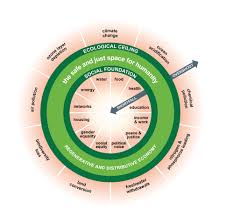
Doughnut Economics
In the end, all of our innovation has to be in full and proper dialogue with the planetary boundaries. “The Doughnut Economy” is a good conceptual reference point for this. However, this basic concept requires an extra step to put those boundaries into a realistic, global framework. For example, the concept has been popular in The Netherlands, but how are the Dutch measuring the size of their doughnut? Do they divide the remaining global carbon budget per capita? Do they acknowledge hidden emissions, from imports, from shipping and aviation? …
Exploring Chapter 14 – Climate Anxiety
Choose one area to explore in more depth. Each path keeps you inside the same modal so you can step back cleanly or return to the course matrix at any point.
Videos
Further supplementary videos
In conversation with Armando Iannucci (on irony) :
Award winning film director, writer and satirist Armando Iannucci shares his insights on the deployment of irony in art; its limits and its power. He offers valuable insights for students who want to handle big systems truths, in an engaging and powerful way.
CLIMATE ACADEMY supplementary videos
The Cambridge Series
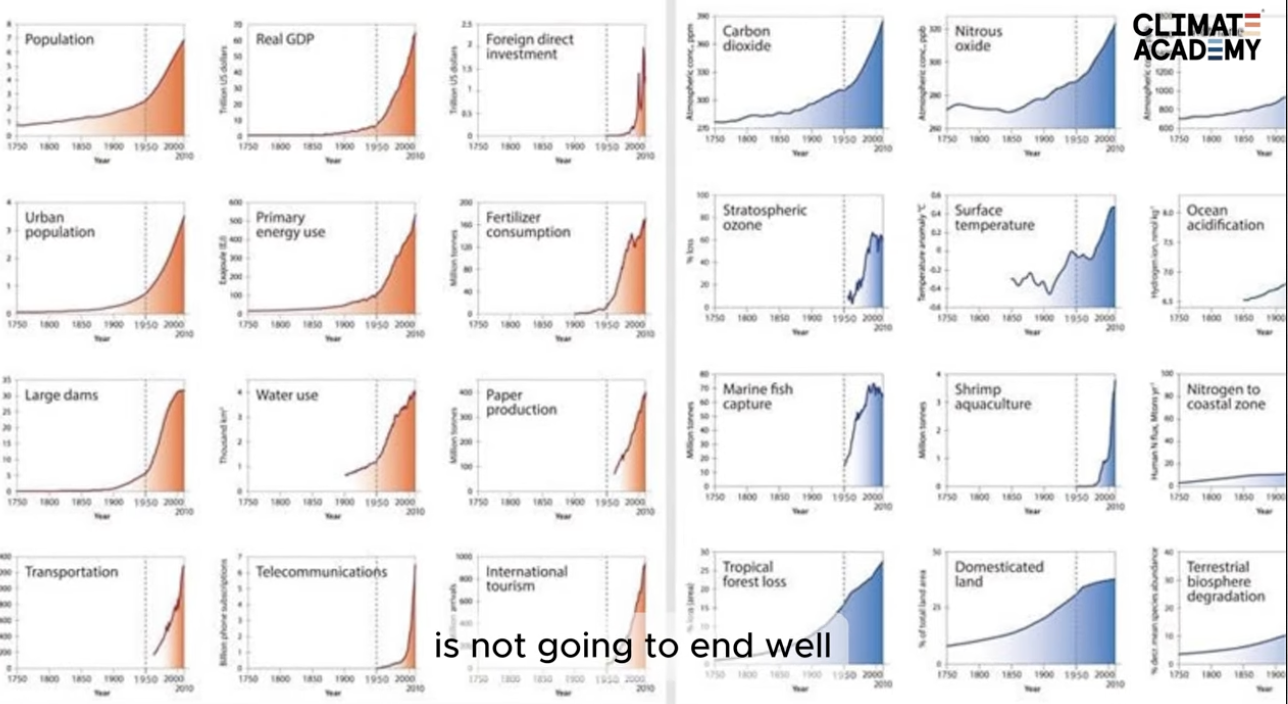
1) An introduction
This series of videos examines climate anxiety by looking at how a major shift in the background scenery to our lives can have a deep impact on our identity. It looks back at the lives of Charles Darwin and Alfred Tennyson, both of whom went to Cambridge University. More pointedly, both of them confronted deep revelations about the natural world that led them to remarkable responses – for Darwin, in science, for Tennyson, in art.
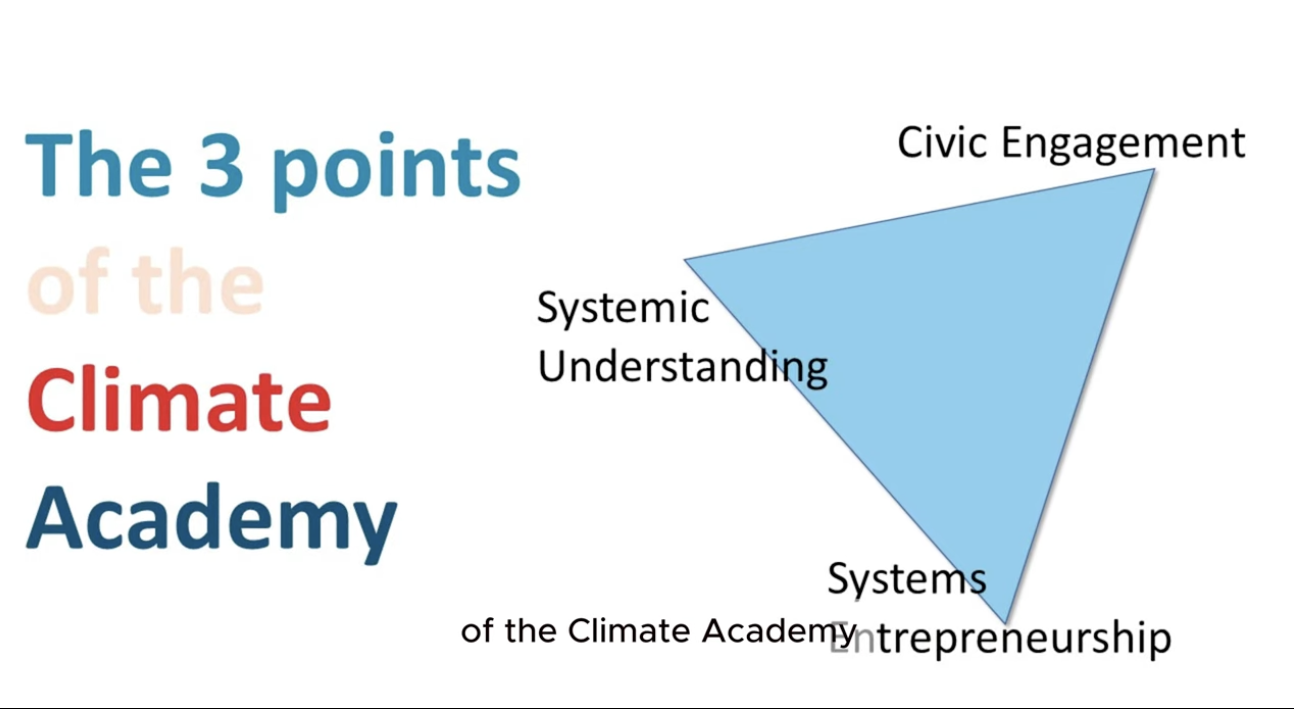
2) A shift in the background scenery:
An argument between two giraffes, reveals something rather unsettling about the natural world.
3) On Coherence
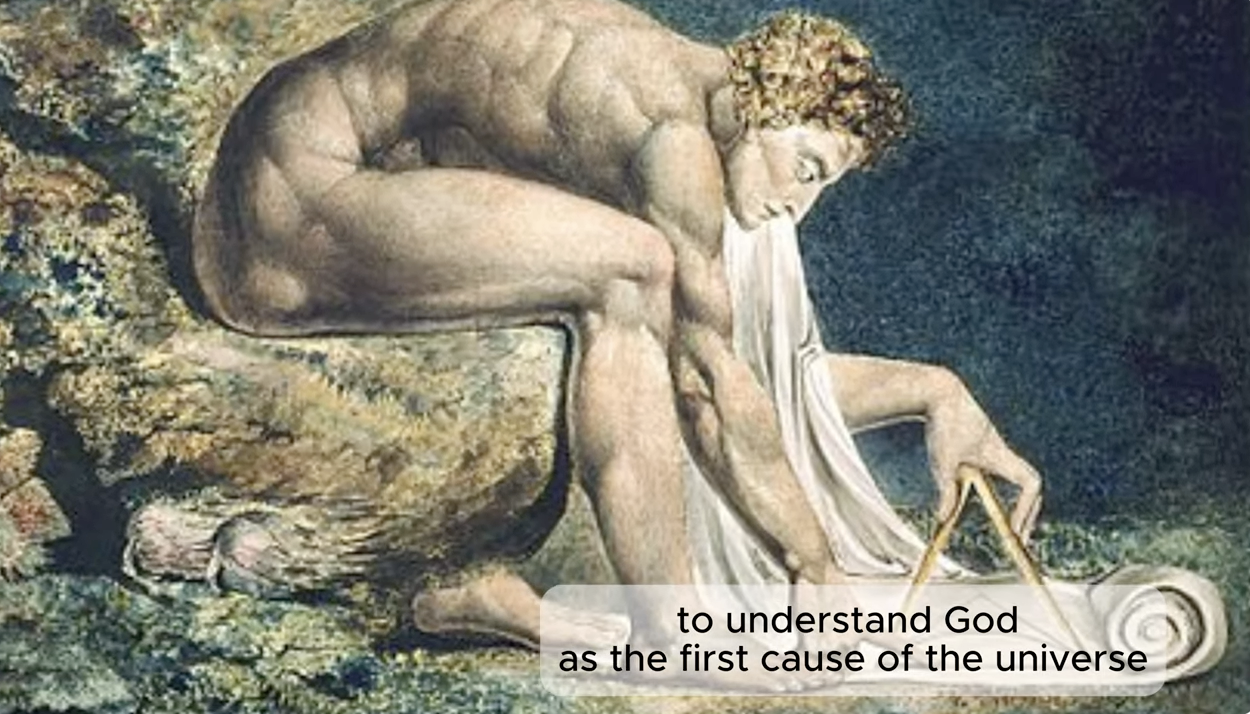
Exploring the world that Darwin was born into in 1809. The Natural History Museum in London was conceived as a ‘cathedral’ to celebrate the beauty and coherence of the natural world as designed by a creator God. The Divine Watchmaker’s handiwork could be seen in all its diversity. A modern ‘ark’, built just before that world order would be deeply disturbed.
4) Things start to get rocky:
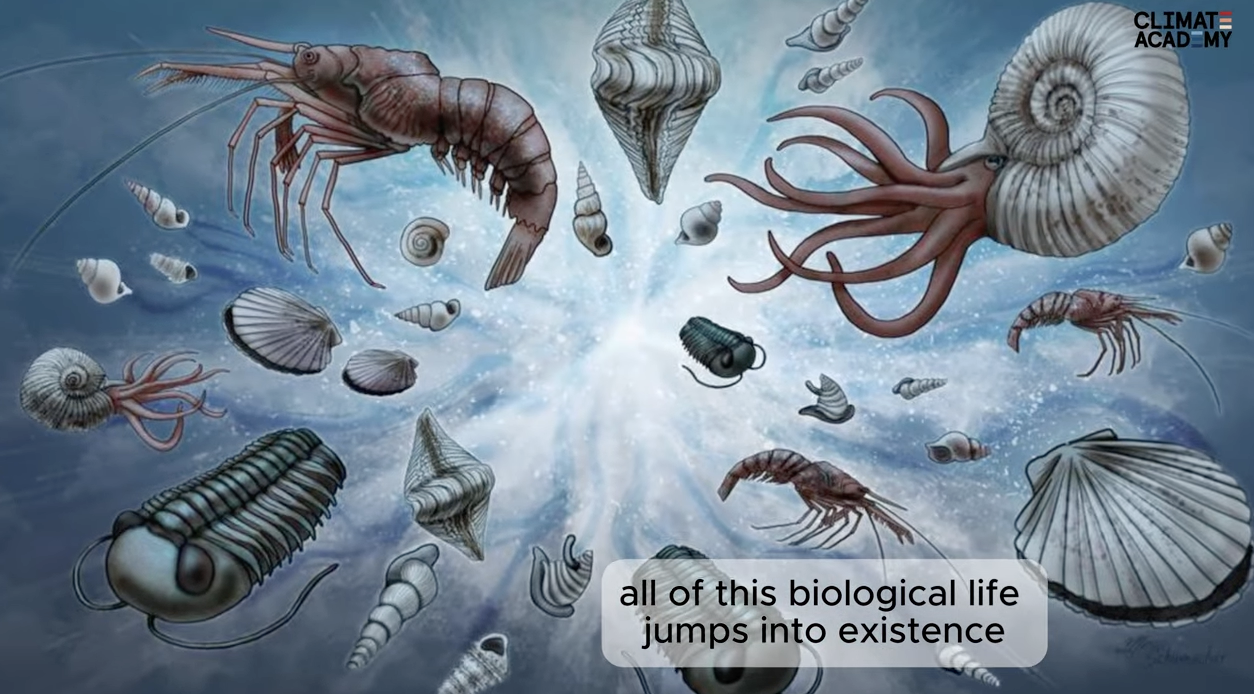
There is a disturbance in the force. The old, static, stable understanding of the biological world is undermined by the discovery that the Earth is not just a few thousand years old, but millions of years old. The Geologist Charles Lyell’s “Principles of Geology” (1830) made it clear that time was deep, very deep. And this revelation opened up the canvas for Darwin to imagine an entirely different map of biological life.
5) By Milford Pond, with Darwin:
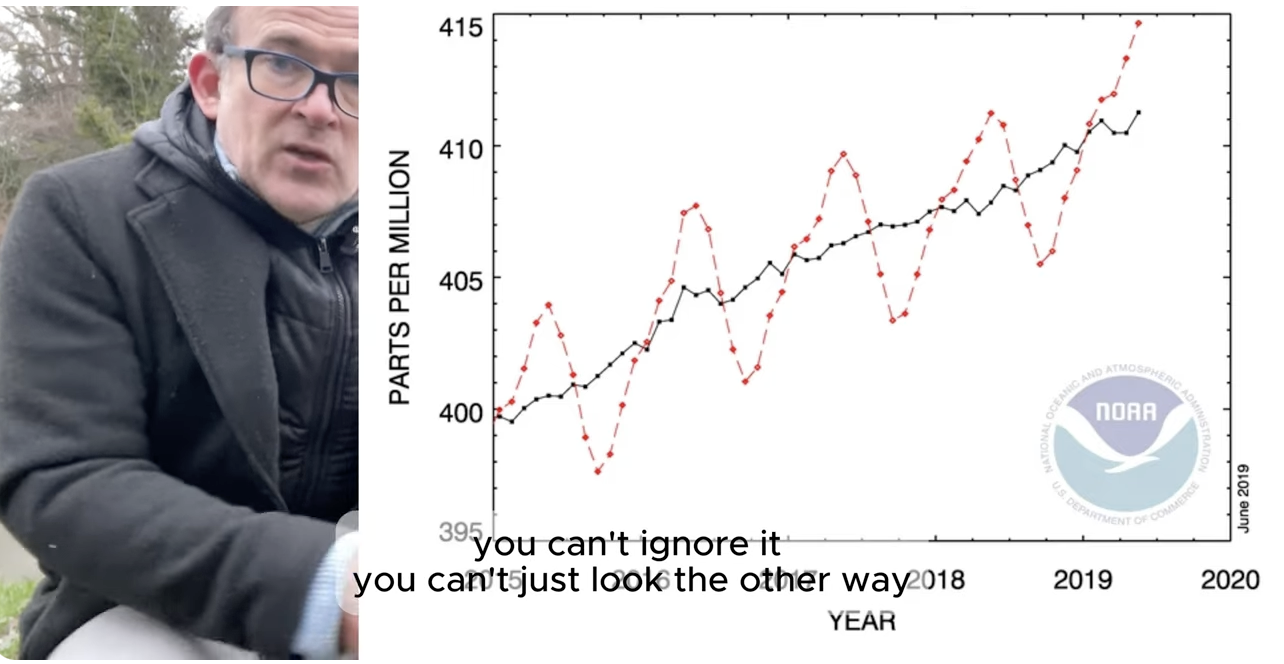
We join Darwin in Cambridge in 1828 - and notice his commitment to the truth, even if it is uncomfortable and disruptive.
6) On the pursuit of truth:
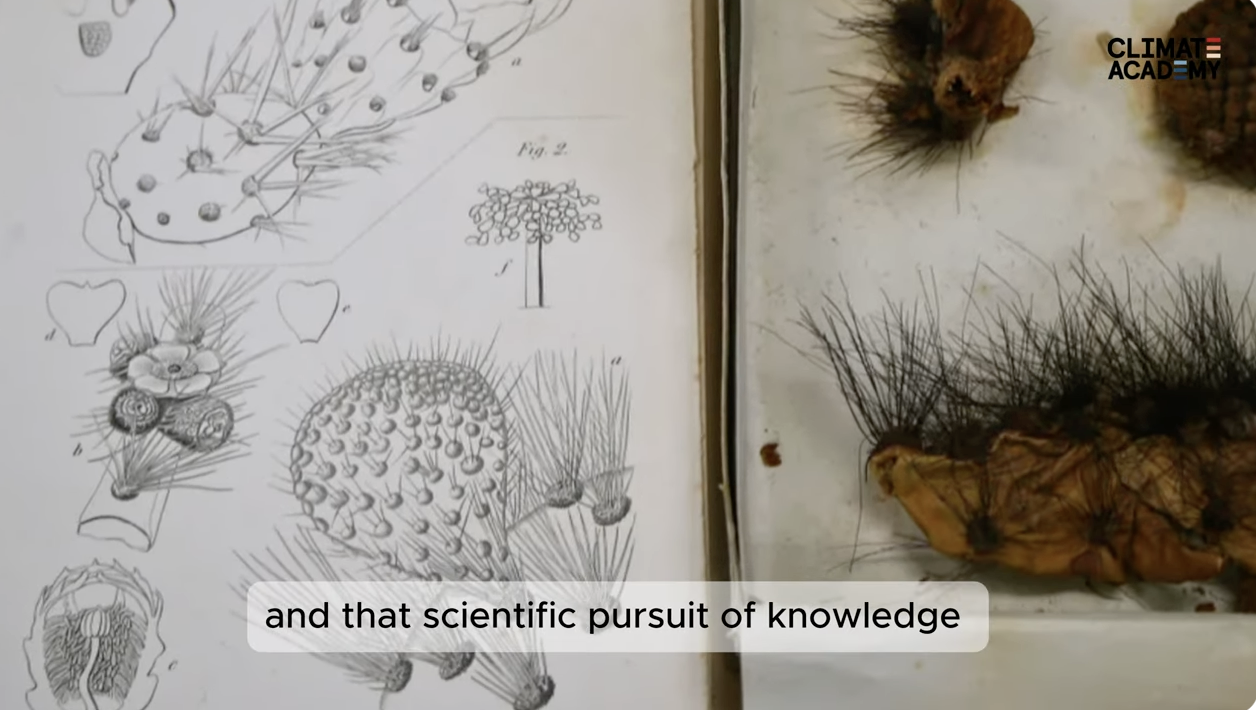
Leaving Milford Pond, reflecting on the value of pursuing the truth and the value of a beautiful natural world.
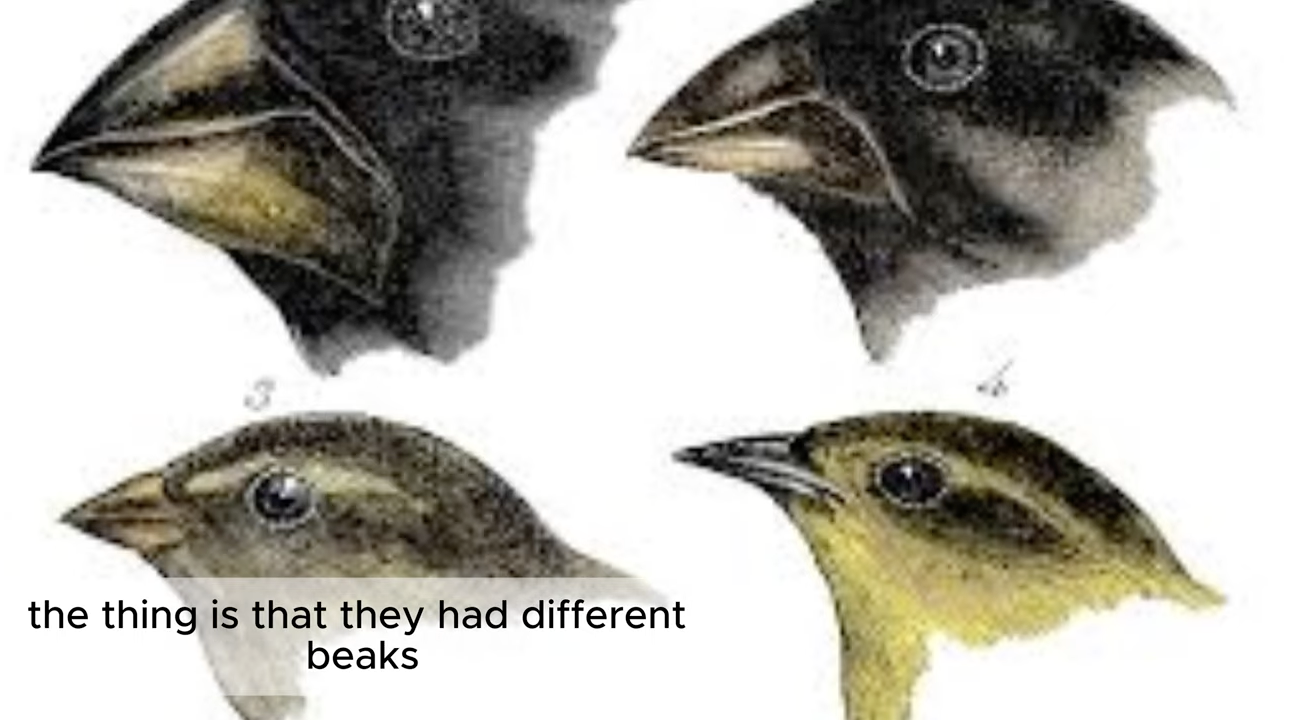
7) The truth bomb:
At the Museum of Zoology, Cambridge (home to Darwin's famous finches). Opening up the explosive implications of Darwin's theory of natural selection.
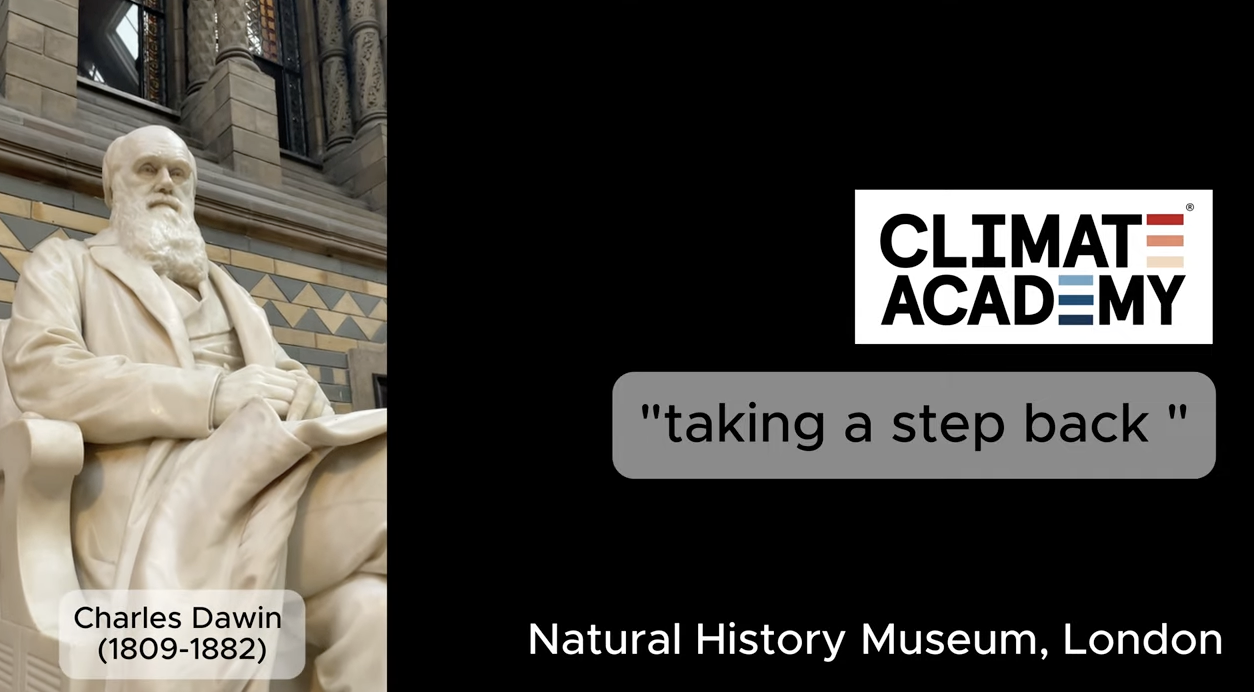
8) Taking a step back:
Back in the Natural History Museum in London, taking a wider zoom on Darwin and the climate crisis.
The Kafka Series
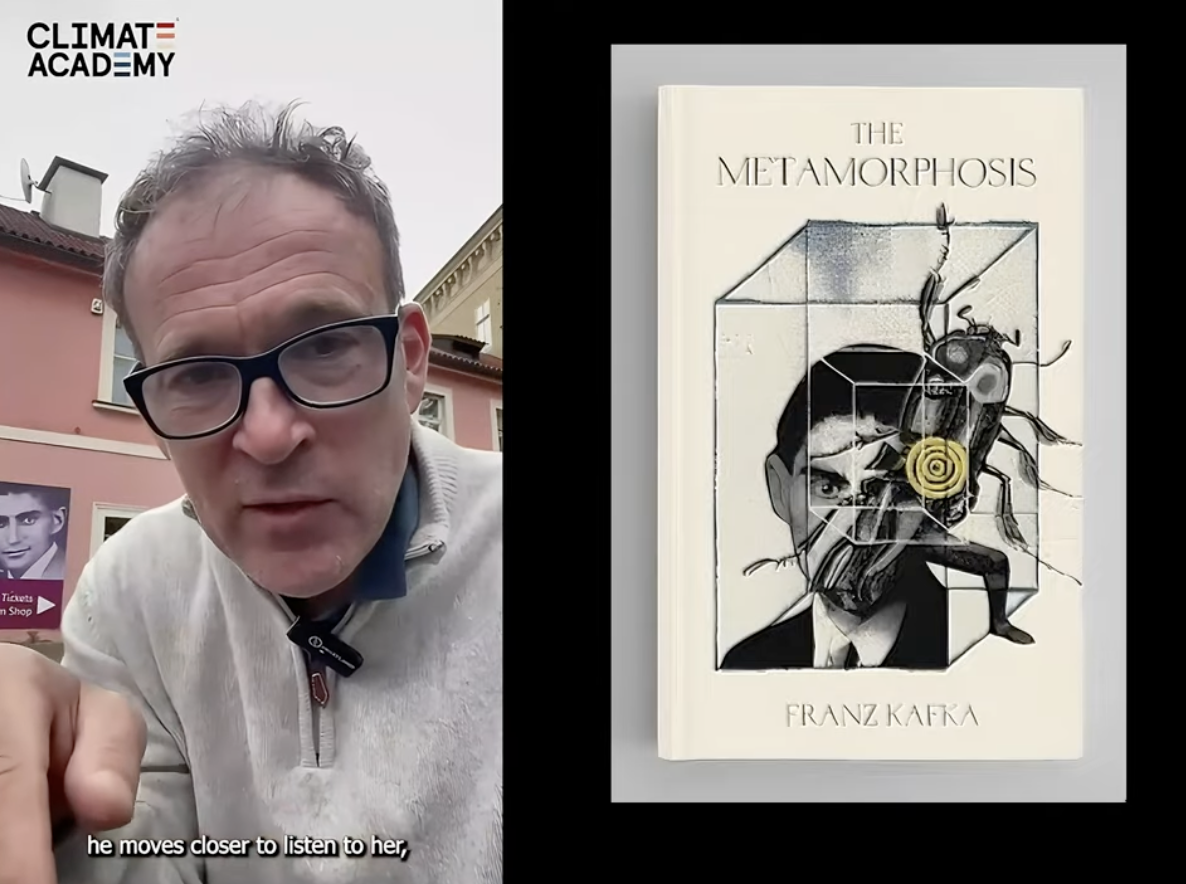
1) An introduction – The Kafka Museum :
Kafka is a one of the greatest authors of the 20th century. His existential wrestle with meaning and purpose was centred on absurdity. This makes his work very valuable for those faced with climate anxiety. Why does the world seem to dull and passive about this threat to human civilisation? Kafka has been in such places and written novels about this sense of alienation.
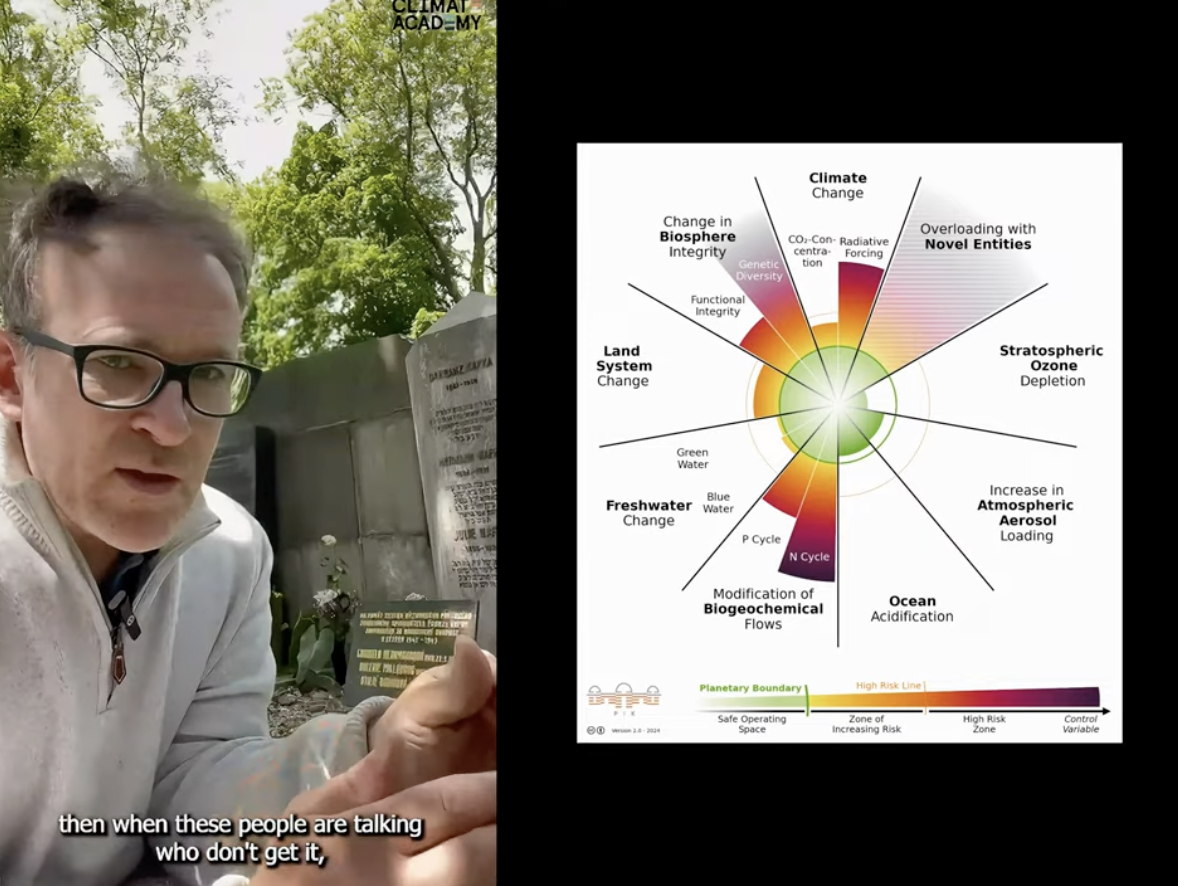
2) At Kafka’s grave:
The Jewish cemetery in Prague, where Kafka was buried, is on the outskirts of the city. Being on the outside is powerful theme in his work and it is also familiar to those with climate anxiety.
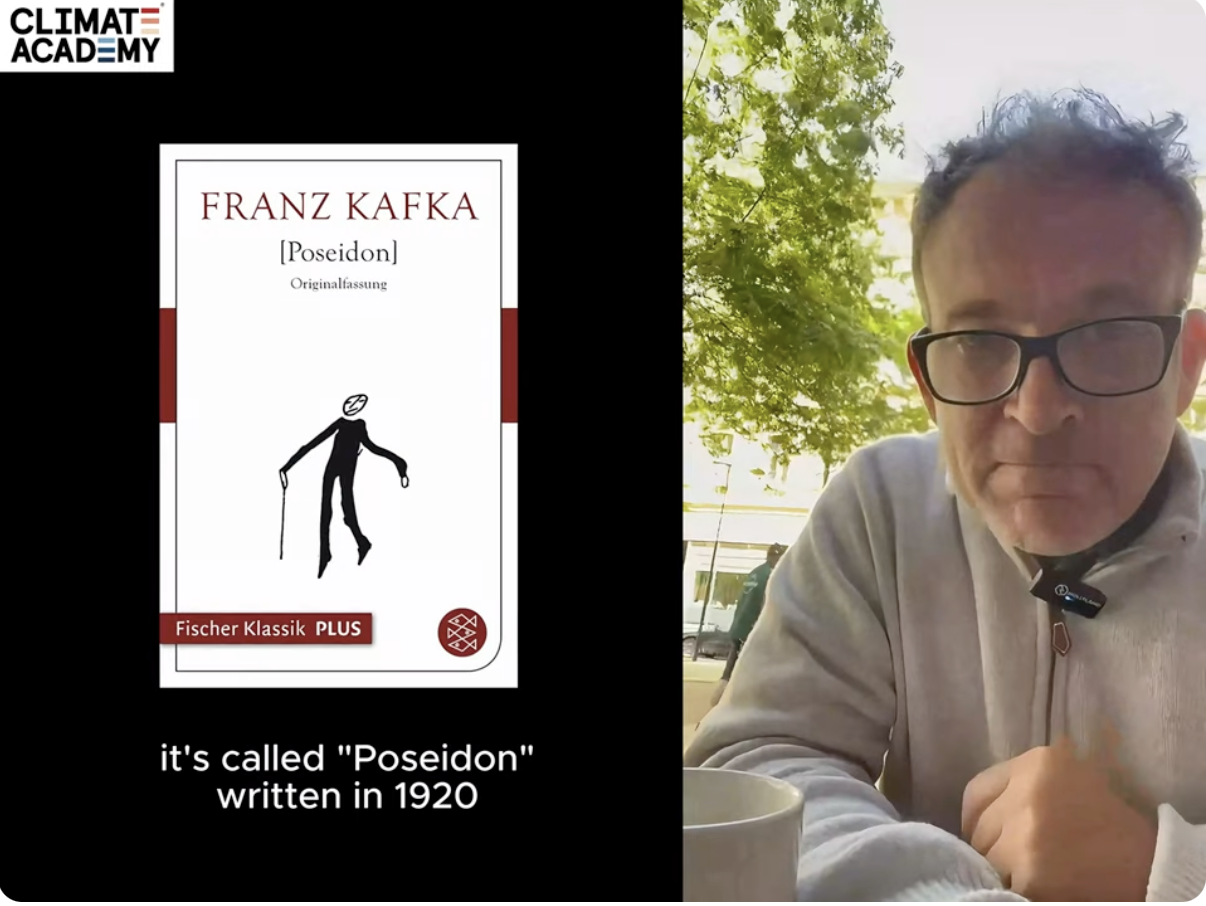
3) Coffee with Kafka :
Kafka's working day was in an insurance office. An environment in which we can imagine him frustrated with regulations, rhythms, and rules. Taken to an existential level, when efficiencies cause inefficiency, when bureaucracies become disconnected from reality, we can quickly understand the deep sense of alienation and claustrophobia that saturate Kafka's novels. Wrestling with human systems that are unresponsive and inert is a challenge for those committed to climate justice. Things are often 'Kafkaesque' ...
Further supplementary videos
The Kafka Series
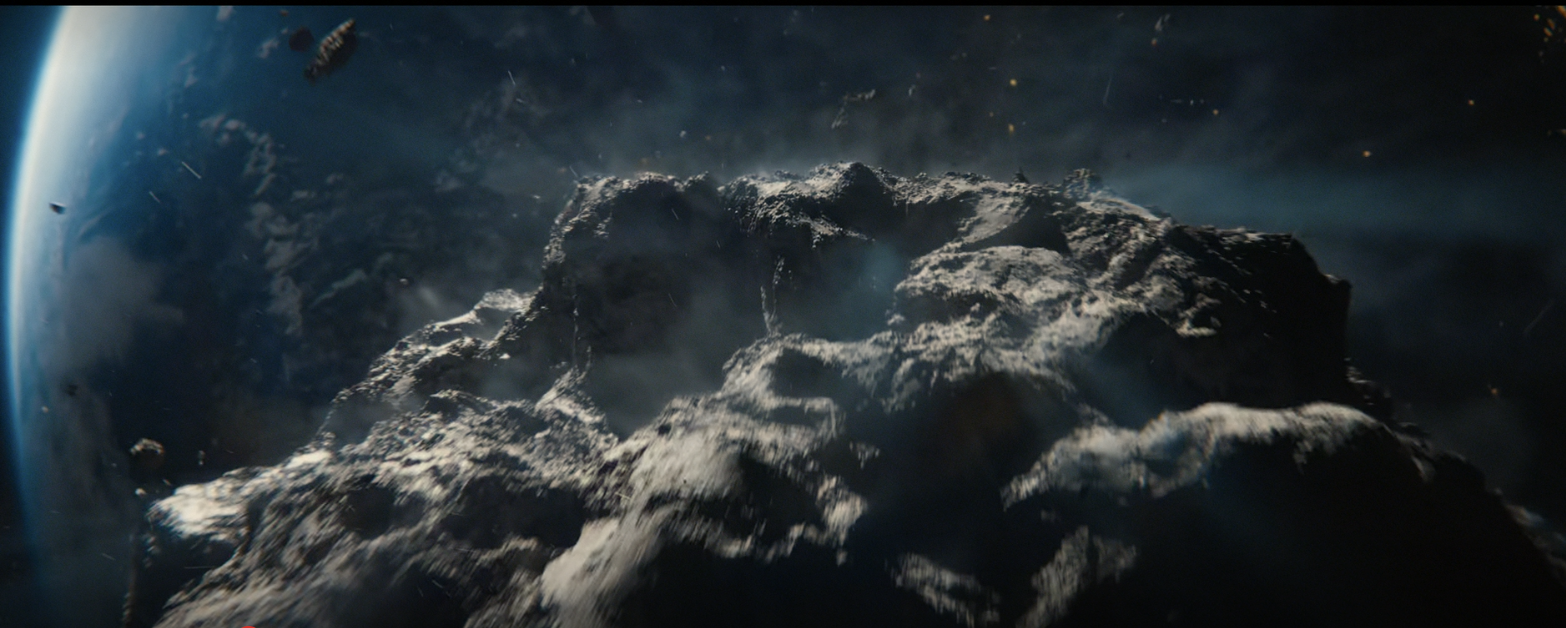
Don’t Look Up (Trailer)
Two astronomers go on a media tour to warn humankind of a planet-killing comet hurtling toward Earth. The response from a distracted world: Meh.
Books
Field Guide to Climate Anxiety: How to Keep Your Cool on a Warming Planet - Sarah Jaquette Ray
Back in 2020, the youth movement reenergized global environmental activism. The “climate generation”—late millennials and iGen, or Generation Z - demanded that policy makers and government leaders take immediate action to address the dire outcomes predicted by climate science. Those inheriting our planet’s environmental problems expect to encounter challenges, but they may not have the skills to grapple with the feelings of powerlessness and despair that may arise when they confront this seemingly intractable situation. Drawing on a decade of experience leading and teaching in college environmental studies programs, Sarah Jaquette Ray has created an “existential tool kit” for the climate generation. Combining insights from psychology, sociology, social movements, mindfulness, and the environmental humanities, Ray explains why and how we need to let go of eco-guilt, resist burnout, and cultivate resilience while advocating for climate justice.
Facing the Climate Emergency (Second Edition): How to Transform Yourself with Climate Truth - Margaret Klein Salamon (2020)
For those suffering from climate anxiety, Facing the Climate Emergency combines expertise in clinical psychology and disruptive climate activism to help readers transform their fear and grief into courage and heroism.
Websites
Don’t Look Up (Wikipedia)
The film tells the story of two astronomers attempting to warn humanity about an approaching comet that will destroy human civilization.
Exploring Chapter 15 – The Climate Academy (1) The Piraeus
Choose one area to explore in more depth. Each path keeps you inside the same modal so you can step back cleanly or return to the course matrix at any point.
Videos
CLIMATE ACADEMY supplementary videos
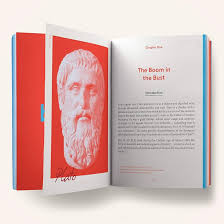
Plato Tackles Climate Change - Matthew Pye
We typically see Plato as a stone bust, with a blank face and eyes. Written by the founder of The Climate Academy, this book opens up his world. It reveals that he had to handle two traumas in his early life, and points to powerful ways forward out of such crises. Here is a short look inside the book.
Further supplementary videos
School of Life - Why Socrates hated democracy
We’re used to thinking very highly of democracy. But interestingly, one of the wisest people who ever lived, Socrates, had deep suspicions of it. This short animation explains why.
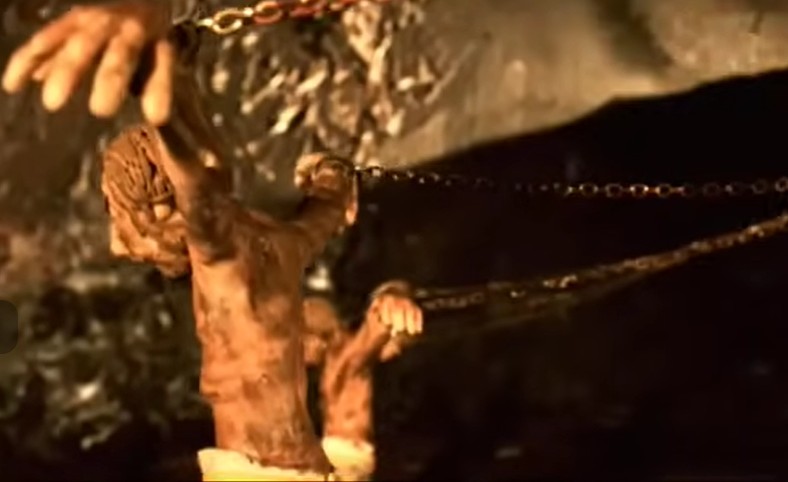
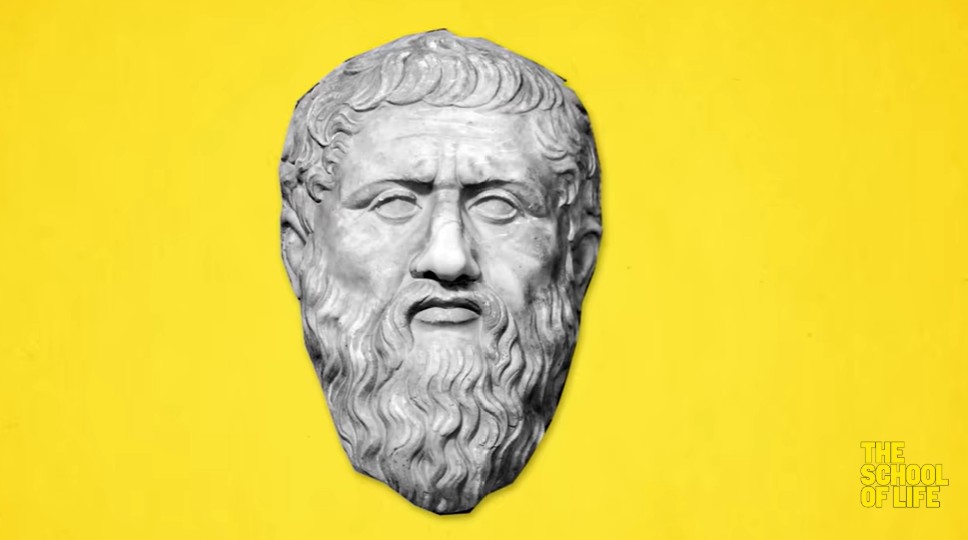
School of Life - Plato's cave
The most famous allegory written by Plato, the cave is a story with multiple levels of meaning. This short animation brings some of them to life.
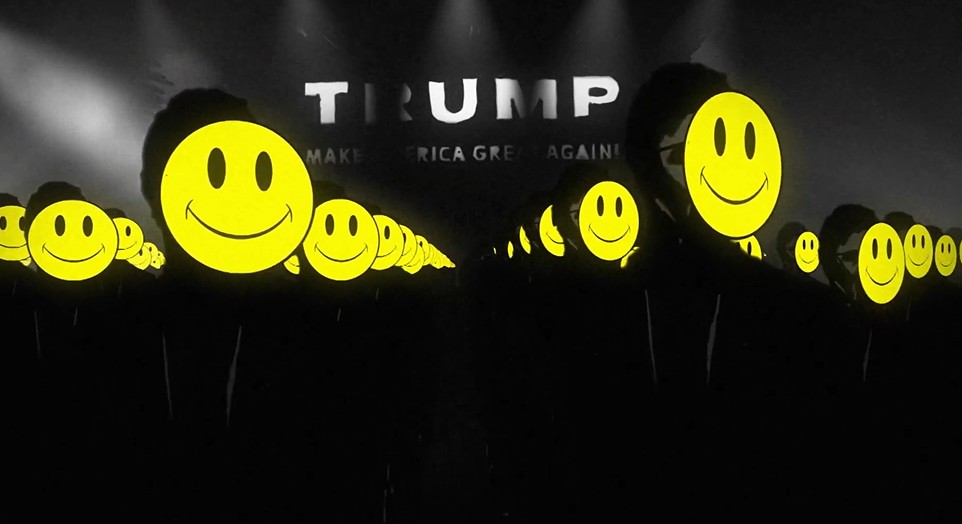
Plato and Trump, Democracy and Dictatorship
When Donald Trump was elected US President in 2016, the BBC reflected on the work of Plato and how he anticipated some of the issues that were in play.
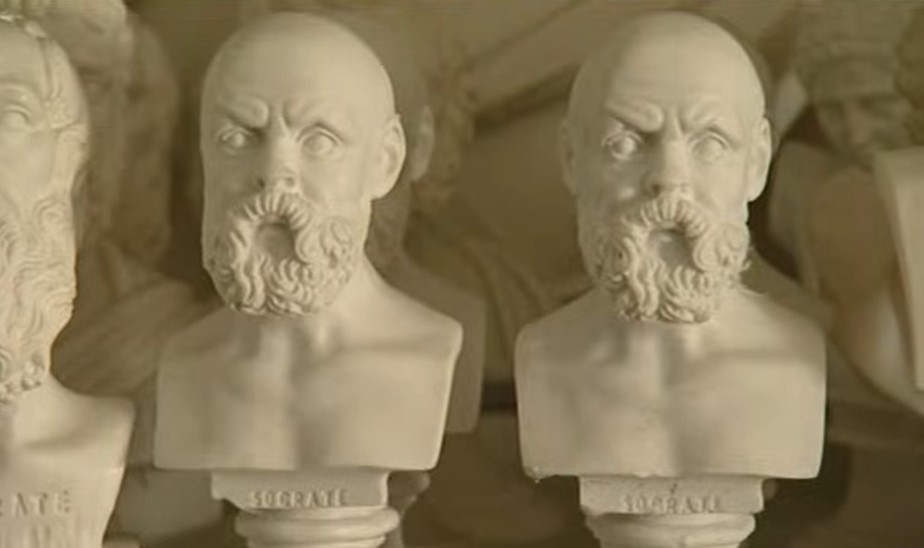
A Guide to Happiness - Socrates
A gentle but thought provoking introduction to the life of Socrates.
Books
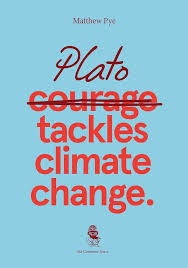
Plato Tackles Climate Change - Matthew Pye (2020)
Plato Tackles Climate Change" takes the heavy reality of climate change and the deep thinking of Plato and makes it all very readable and provocative. It is an authoritative account, informed by the latest scientific conclusions and written with engaging and revealing cultural examples. For readers new to Philosophy, perhaps you will be surprised about how relevant and real the writing of Plato is. For readers familiar with Plato, it will not be a surprise to find that there are new angles and depth to be opened up. Matthew Pye is the founder of The Climate Academy and a teacher. This book offers an open door to his classroom.
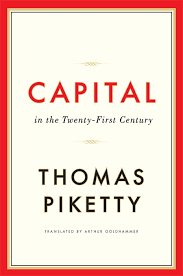
“Capital in the Twenty-First Century” - Thomas Piketty (2013)
Piketty’s major work focuses on wealth and income inequality in Europe and the United States since the 18th century. The book's central argument is that when the rate of return on capital (r) is greater than the rate of economic growth (g) over the long term, the result is concentration of wealth, and this unequal distribution of wealth causes social and economic instability. Piketty proposes a global system of progressive wealth taxes to help reduce inequality and avoid the vast majority of wealth coming under the control of a tiny minority. It is a big book. But for those willing to invest the time to read it, it demonstrates the importance of an intelligent, analytical, informed and balanced critique of capitalism remains sharply relevant (and a critique of capitalism does not automatically mean that you are a Marxist).
Websites
Matthew Pye - Climate Academy Founder
The homepage of the founder of The Climate Academy.
Exploring Chapter 16 – The Climate Academy (2) The Academy
Choose one area to explore in more depth. Each path keeps you inside the same modal so you can step back cleanly or return to the course matrix at any point.
Videos
Further supplementary videos
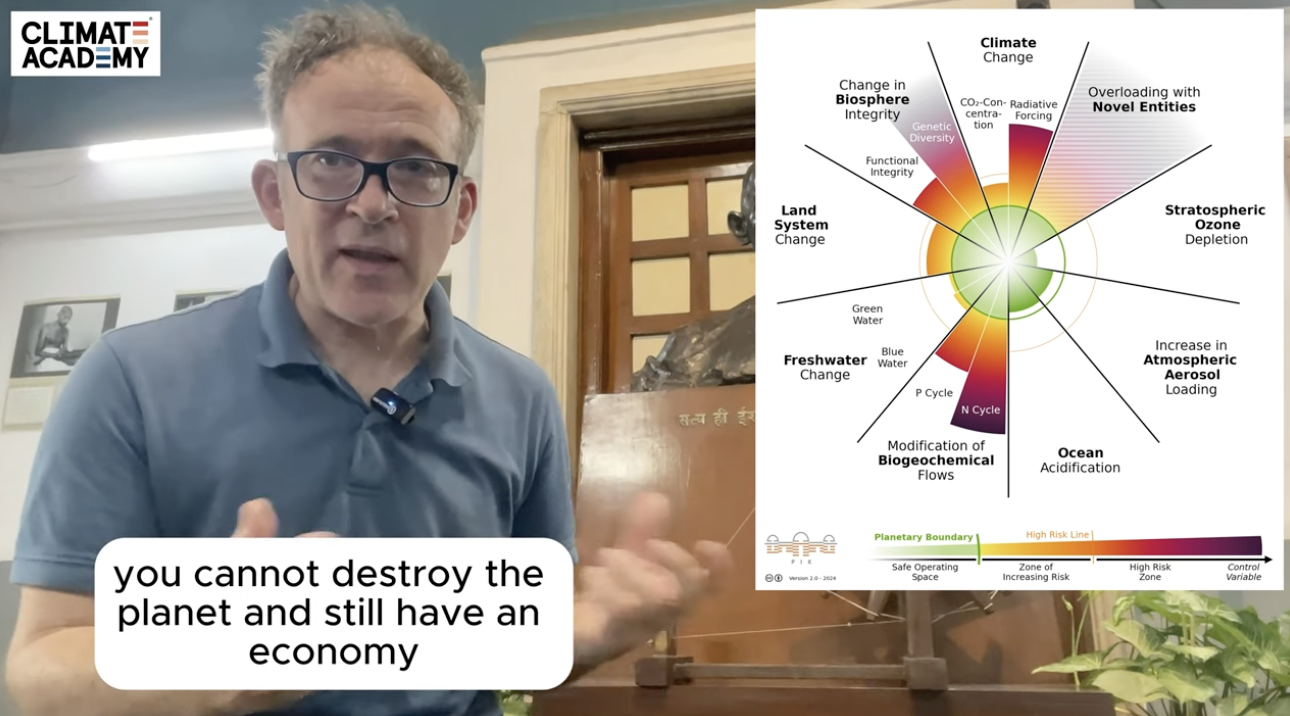
Chapter 16 – On Education
A supporting video resource linked to Chapter 16: The Climate Academy (2) The Academy.
School of Life - Plato on the Forms
An animated introduction to Plato’s fundamental concept, The Forms.
Chapter 1: The Absolute Basics
This opening chapter points at the vital statistic for human life on our planet: the level of greenhouse gases in the atmosphere.
Why should 426 particles of CO2 in every million particles matter? It is a tiny amount. How could such small thing be such a big deal? Why should we be bothered about remote, abstract, scientific facts?
The Climate Academy is committed to providing a clear systemic viewpoint. Without this perspective, it is easy to miss what really matters.
Greenhouse gases matter because they raise the temperature of the atmosphere. And this temperature has to be understood systemically. Your body is a bio-system, and it cannot cope with even a small change in temperature across the system. It is called a fever, and it has miserable side effects. For a human being, an extra 4°C for the body is a medical emergency.
Likewise, the Earth is a large bio-system. You cannot suddenly shunt up the temperature up, without massive consequences.
This book starts with these absolutely basic system facts. These facts are not visible without the help of scientific research and graphs. But they really do matter.
Chapter 2: Mass Extinction Events
The passage explores past mass extinctions, such as the event that wiped out the dinosaurs and the Permian-Triassic event, the most severe extinction in history. These were caused by natural disasters like asteroid impacts and volcanic eruptions.
The text then shifts to the Anthropocene, a sixth mass extinction that is caused by humans. Our impact on the planet is now so deep and pervasive, we now have the dubious honour of having a slice of Geological time named after us. Our relentless consumption-driven biodiversity loss destabilised the natural balance of climate systems and polluted multiple layers of the environment.
To illustrate our fleeting existence in Earth’s timeline, a 24-hour clock analogy shows humans arriving mere seconds before midnight. A fact that underlines both our fragility as a civilization and our extraordinary capacity to affect change.
Finally, given our reckless overconsumption, the chapter playfully questions whether we truly deserve the title 'Homo sapiens' — wise humans. This sets the stage for deeper discussions on responsibility and solutions in later chapters.
Chapter 3: Spaceship Earth
If you were living in a small community on a spaceship and one astronaut started to use up all the supplies for themselves, it would jeopardise the mission. Things would be even worse if another shuttle arrived with more astronauts, but they turned up with no extra food, water, or other supplies.
This is a thought experiment. The Earth is much larger than a spaceship, but it is just like a spaceship. It also has finite resources. It is a “Closed Mass System”.
Sustainability is rooted in the fact that our planet is finite, and it is not exempt from the laws of Physics. The Second Law of Thermodynamics is in play on our planet just like it is everywhere else in the universe. This means that, although the Earth was gifted with a fantastic array of raw materials, at some point, the usable level of these resources will run out. We inherited tonnes of precious metals and minerals from the guts of a supernova billions of years ago, but as we mine and manufacture our way into the future, we will eventually exhaust them.
So, supplies are limited, but the human population has been growing exponentially for centuries.
In 2020, 81 million people were added to the planet (a number roughly equal to the population of Germany). This growth rate of 1.3% annually would result in a population density of one person per square meter on the dry land surface of the Earth in 790 years. This is clearly an impossible situation. But well before even reaching this extreme, resources would be stretched and eventually reach a breaking point.
We do not need to wait hundreds of years to see the stress marks on the planet. Our spaceship is already under a lot of pressure. This chapter has some of the key details.
Chapter 4: Where are we now?
The world is rapidly approaching critical carbon budget limits, yet current national commitments (NDCs) fall drastically short of what is needed to limit warming to 1.5°C or even 2°C. The Emissions Gap remains huge, with current policies putting the planet on a path to 3–4°C of warming by the end of the century. Projections reported in the media are misleading because they include unrealistic assumptions about future carbon capture technologies.
Our fossil fuel dependency remains deeply embedded in our global infrastructure. We have never stopped doing 'energy addition', but the zombie concept of 'energy transition' remains the dominant media story about what we are doing. In other words, renewable energy growth, while significant, has not outpaced the rising demand for energy, so our overall demand for fossil fuel continues to rise.
Efforts to address climate change have largely focused on individual actions rather than systemic shifts. The fossil fuel industry has strategically promoted this narrative to deflect attention from the need for a deep overhaul of the energy sector.
Chapter 5: The United Nations?
This chapter critically examines the United Nations Framework Convention on Climate Change (UNFCCC) and its failure to achieve its singular goal: stabilizing greenhouse gas concentrations to prevent dangerous climate change.
The chapter starts in Versailles at the time of the French Revolution and tracks the twists and turns of human history towards the creation of the United Nations. Although the chapter indulges different cultural and artistic objects, the central metaphor of the chapter is actually just a box of Cornflakes.
This is because although the empty space in a box of cornflakes looks a bit useless, it is, in fact, essential to protect the cornflakes from getting crushed. And so it is with the space above our heads - both with the atmosphere and with democracy.
The UNFCCC was set up to protect this atmospheric space. However, despite decades of COP meetings, emissions have continued to rise. The chapter concludes with a call for clarity, science-based laws, and global solidarity to address the climate crisis. It points ahead to the CUTx Index of Chapter 7: a clear measure of where we are, and what we need to do to protect the future of human civilisation.
Chapter 6: Who is responsible?
India, Bangladesh, and Pakistan were all severely exploited under British colonial rule, with land, people, and resources used to fuel Britain’s wealth. This led to devastating events like famines and long-term environmental harm. Today, these countries are among the most vulnerable to climate change, despite contributing little to global emissions. Meanwhile, richer countries like the UK continue high consumptive lifestyles, often under the illusion of ‘green’ progress, while the Global South suffers the consequences.
The roots of the climate crisis are not mysterious; they are deeply embedded in the history of capitalism. The East India Company took over India, with the invisible hand of the market guiding its strategy and policies. It was a hand that had nasty knuckles when needed. The blinkered imperatives of growth meant that so much human and environmental wealth outside of the balance sheets of simple profit and loss was trampled on.
Capitalism is now truly global and is finding new layers of human life and the natural world to extract value from. Colonial British rule exercised heavy media censorship in India, a situation that is mirrored today in a global media that is also wired into the same overriding imperative of profit. We have to face the uncomfortable truth that capitalism seems incompatible with genuine sustainability. Indeed, whilst democratic rule has many deeply important virtues and values, it also has a blind spot for environmental issues.
This historical parallel underscores the importance of independent journalism in holding power to account. As Nobel economist Amartya Sen observed, 'No famine in history has ever occurred in a functioning democracy.' Today, young journalists and activists must step into this role, exposing the forces driving climate catastrophe. With guidance from organizations like News Decoder, the next generation has the opportunity—and the responsibility—to challenge the powerful and demand change.
Chapter 7: The CUTx Index
The central chapter in the book. If the rest of the book is about climate literacy, this chapter is about climate numeracy. These are the vital statistics for human civilisation.
The CUTx Index is an authoritative set of numbers, supported for communication by the world’s most eminent climate scientists, it maps out, in the clearest numerical terms, just how close we are to planetary boundaries. These numbers are critical for students to use in all their events and publications.
The UN only speaks about global problems and global numbers, which masks the fact that the world’s richest nations are both historically and currently responsible for the overwhelming majority of the emissions. The CUTx Index is based on the simple idea that the remaining carbon budget has to be divided per capita. It seems to be basic common sense, and a basic issue of human rights that we all have an equal right to the atmosphere.
Once the remaining carbon budget is divided fairly like this, then all kinds of misinformation and fake news about the climate crisis are exposed. Indeed, there is so much misinformation about climate change out there, the CUTx provides remarkable clarity and transparency.
It is absurd that none of the current climate pledges by nations (known as NDCs) have anything to do with the carbon budget. The EU has promised to cut emissions by 55% by 2030 based on 1990 levels, and other nations have commitments to get to net zero by a certain date.... but these have nothing to do with the scientific reality of our situation, and none of these commitments can be reliably compared against each other.
Chapter 8: Tipping Points – Physical
This chapter emphasizes the enormous impact small actions can have on complex systems, using Scrat from Ice Age as a metaphor for triggering tipping points with unintended consequences. It advocates for applying the precautionary principle—the idea that those proposing potentially harmful actions must prove they won’t cause damage—in shaping climate policy.
Drawing parallels with the brake-less bikes of a velodrome and the profit-driven industrial economy, the chapter critiques our reckless pursuit of growth without regard for environmental boundaries. It concludes that tipping points represent the greatest climate threat, and that achieving sustainable, prudent economic growth while avoiding irreversible damage is the core challenge of our era.
Chapter 9: Paradigm Shifts
This chapter explores how paradigm shifts—fundamental changes in the frameworks through which we interpret reality—shape human understanding and action. Drawing on the work of scientists like Galileo and thinkers like Kuhn, it reveals how unseen systems of belief influence our perceptions, decisions, and societal norms.
Climate activists often feel alienated because they operate within an emerging paradigm that contrasts sharply with mainstream values. Despite resistance and inertia, the chapter points to signs of profound transition—a “flickering” indicating both the decline of outdated systems and the rise of a new, sustainable model. Just as past scientific revolutions eventually became accepted truths, so too can the reality of ecological limits and the necessity for systemic change. This shift, once it gains momentum, will be unstoppable and lead to a more just, collaborative, and beautiful world. The chapter ends with hope and urgency, urging readers to recognise and embrace the coming transformation.
Chapter 10: Tipping Points – Social
The conclusion highlights the urgency of the climate crisis, emphasizing the disconnect between scientific reality and societal response. Despite growing awareness, systemic transformation has yet to occur. A shock—whether from natural disasters or policy shifts—is needed to catalyse action. Two key triggers for change are proposed: education and law. A systemic climate education could empower future generations, while legal frameworks could enforce necessary economic and environmental boundaries.
Drawing parallels with the Civil Rights Movement, the text underscores the power of focused activism and legislative change. Figures like Martin Luther King Jr. and Medgar Evers exemplify the impact of legal battles in driving societal transformation. Social tipping points, once triggered, can create rapid shifts, as history has shown. Given the limited time left to address climate change, bold, systemic action is essential to achieving meaningful progress.
Chapter 11: The Psychology of Climate Change (1)
The next two chapters have a different rhythm.
They contain a sequence of bite-sized reflections on why humans have not yet responded properly to the climate crisis. If the science of climate change is so clear, and if the consequences of inaction are so dire, then there must be a range of odd psychological forces in play that hold us back from action.
The most extended reflection pulls on the work of Daniel Kahneman and Dan Kahan. Kahneman’s, “Thinking, Fast and Slow” (2011) offers a clear start in understanding why people often resist on climate science despite understanding the risks.
At the end of the chapter, Konrad Lorenz makes an appearance, with some geese and a a pair of Wellington boots.
Chapter 12: The Psychology of Climate Change (2)
The bite-sized reflections on the psychology of climate change continue.
Featuring, amongst many other things, a hamburger and a rock band, DNA and FOMO, the Buddha and a King.
Chapter 13: The Paradox of Innovation
The bite-sized reflections on the psychology of climate change continue.
Featuring, amongst many other things, a hamburger and a rock band, DNA and FOMO, the Buddha and a King.
Chapter 14: Climate Anxiety
This chapter explores climate anxiety through the lens of literature, arguing that fiction uniquely captures the complexity of the sustainability crisis. After acknowledging how rational it is to be anxious about climate change, it takes a poet from the 19th century (Tennyson) and a novelist from the 20th century (Kafka) to move forward.
It highlights the importance of action as an antidote to anxiety, the importance of standing by scientific data, and the value of creativity and courage as full human responses to the situation.
The remarkable works of both Tennyson and Kafka show how powerful the pen can be. Their publications captured some of the deepest truths of the human condition, and they stand as luminous examples of the power of literature.
The second pillar of the Climate Academy is Civic Engagement. By shifting the focus outward and engaging in art, individuals can transform anxiety into meaningful impact.
Chapter 15: The Climate Academy (1) The Piraeus
This chapter underscores the importance of a systems perspective in understanding the climate crisis. It critiques the fragmented and superficial way environmental issues are taught in schools and presented in the media, highlighting the absence of a clear framework for comprehending planetary boundaries and tipping points. The chapter calls for an education system that fully integrates ecological literacy, particularly in Economics and Geography, to reflect the true scale of the crisis. It argues that systemic change, not just individual actions, is necessary.
Looking ahead, the chapter finishes by looking towards solutions, drawing inspiration from Plato’s Academy.
Chapter 16: The Climate Academy (2) The Academy
Ultimately, systemic change may be complex, but it is achievable.
The original Academy, located outside the hustle and bustle of the city of Athens, was founded by the philosopher Plato. It aimed to cultivate philosopher kings and queens through a deeply holistic education.
The Academy emphasizes the importance of “problem framing” over mere problem-solving, and following the example of Socrates, it points to the potency of asking simple questions to those around you.
The chapter concludes by underlining the importance of virtue-driven leadership and the transformative power of just laws as levers for systemic change. The Climate Academy provides a space for students to gain a clear vantage point on the crisis and offers them the chance to act as System Entrepreneurs.
In a world of siloed knowledge and increasingly siloed communities, it is refreshing and empowering to think and act in ways that pull things together.